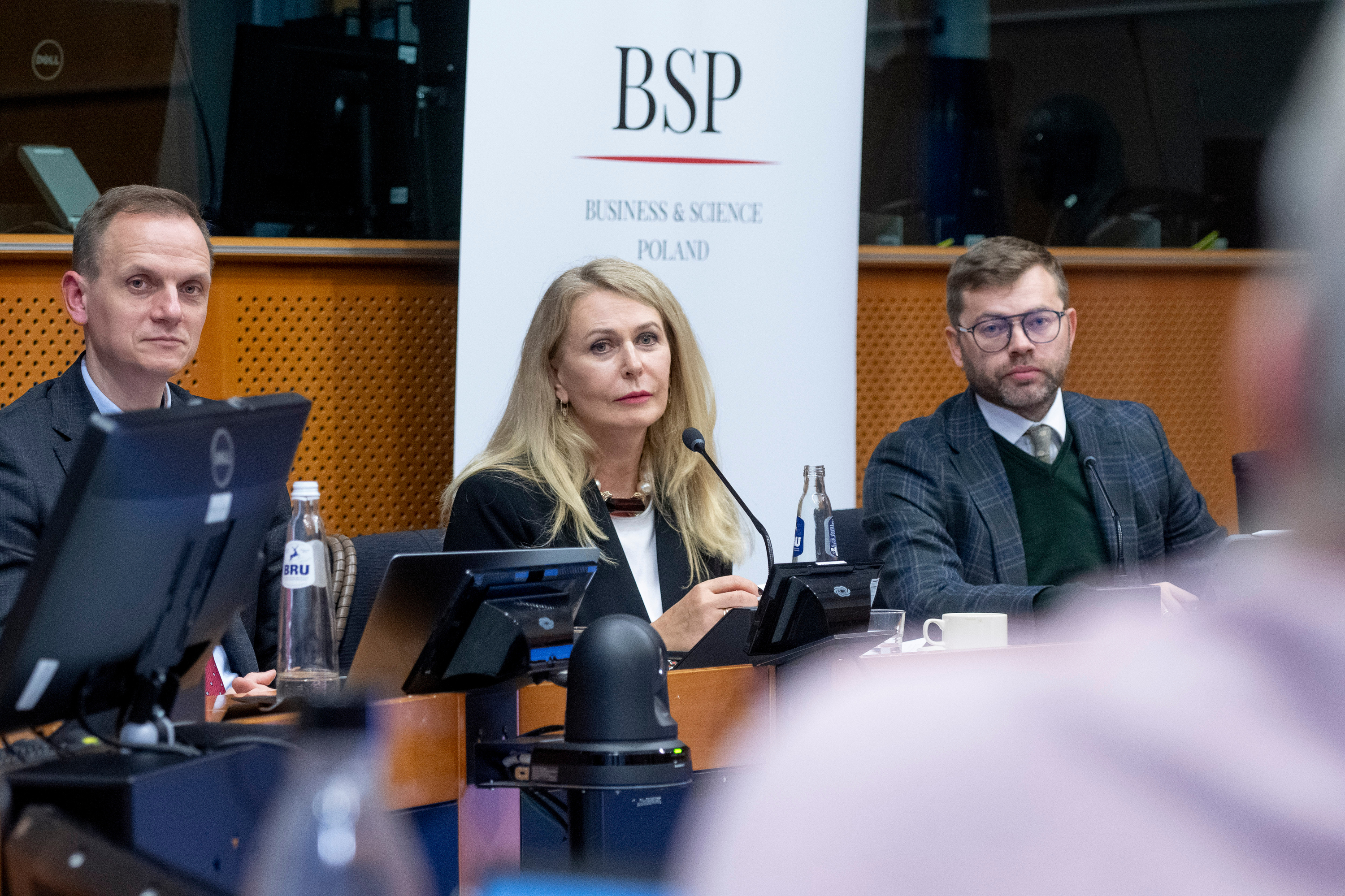
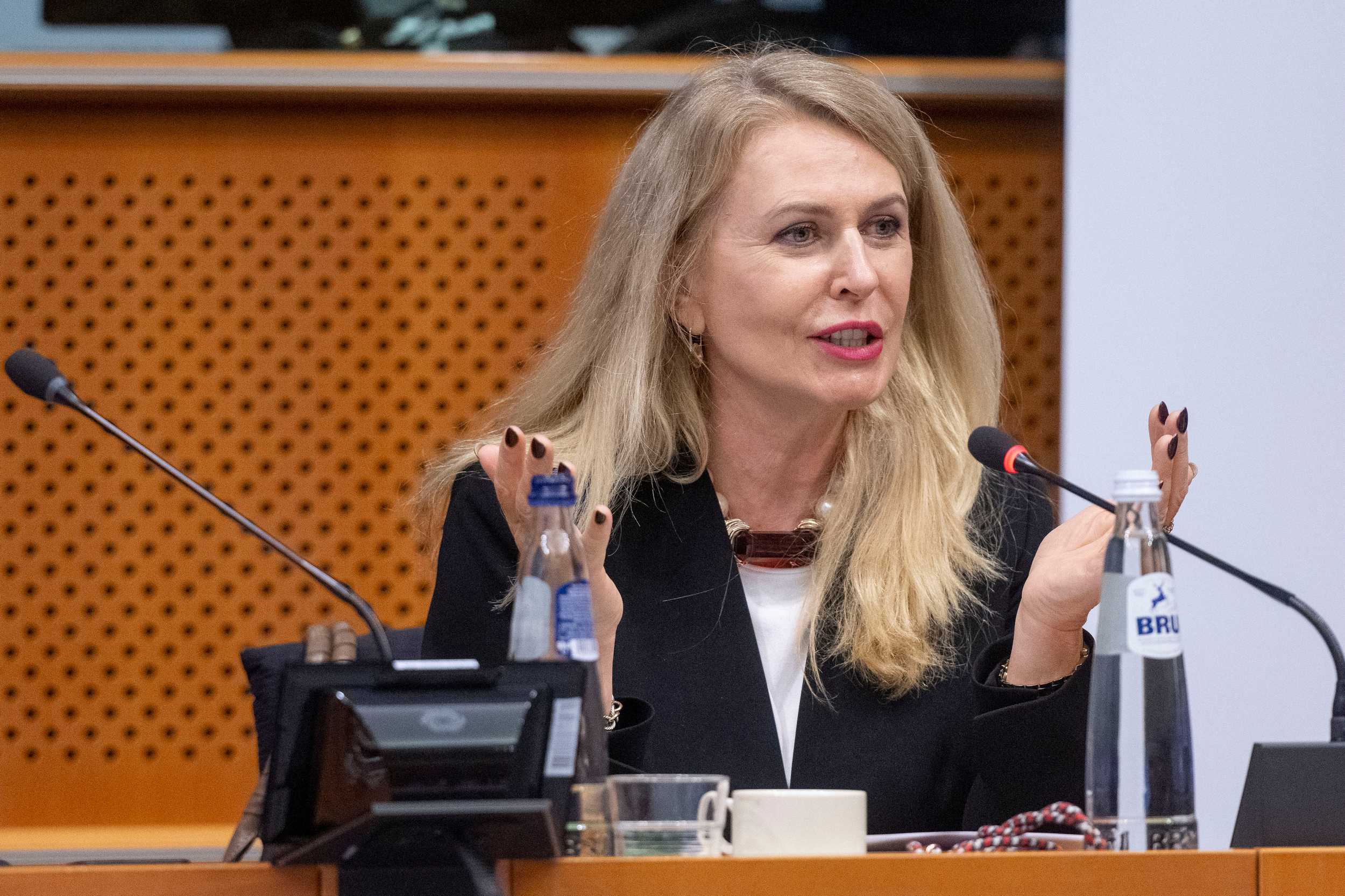
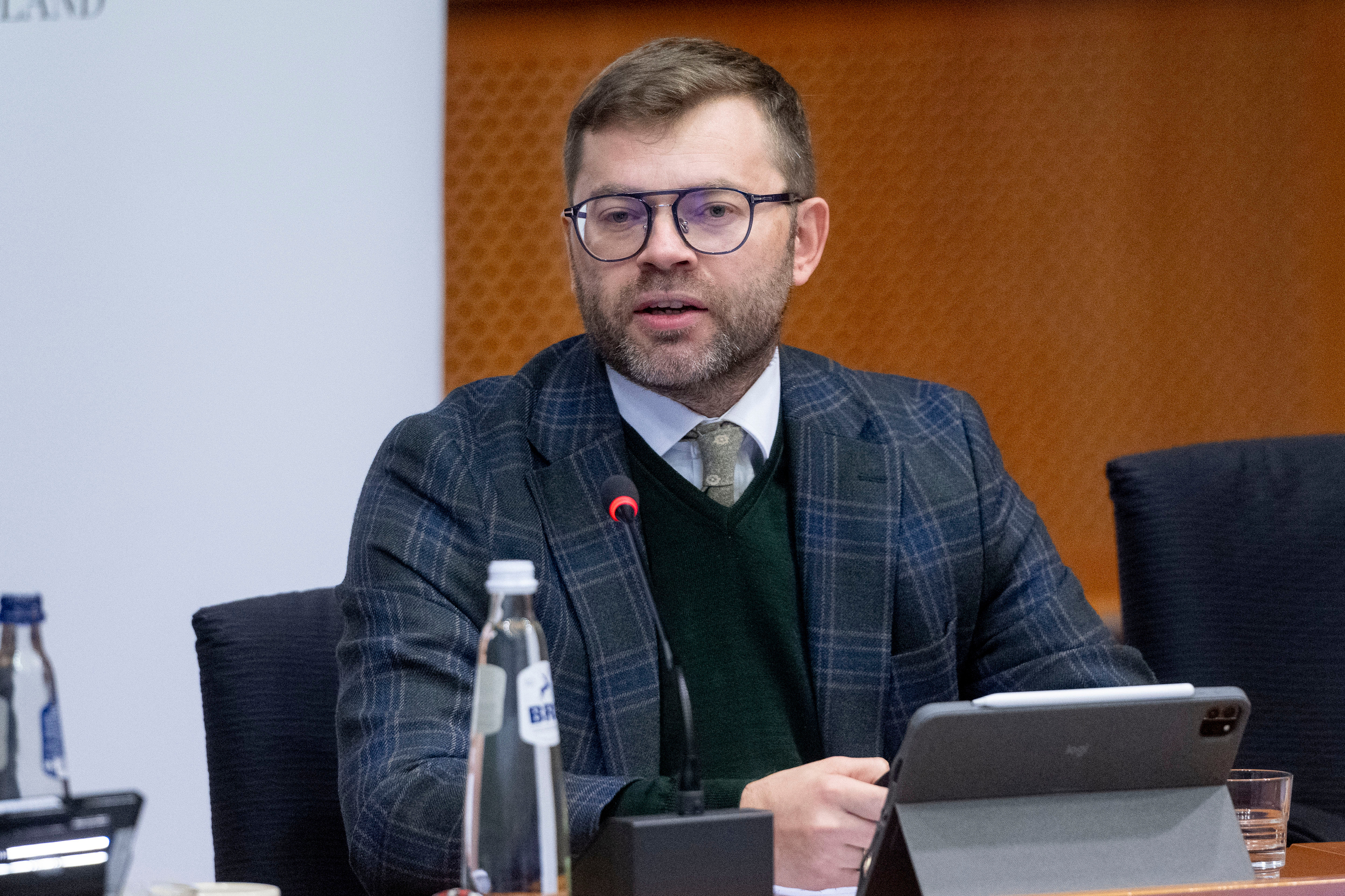
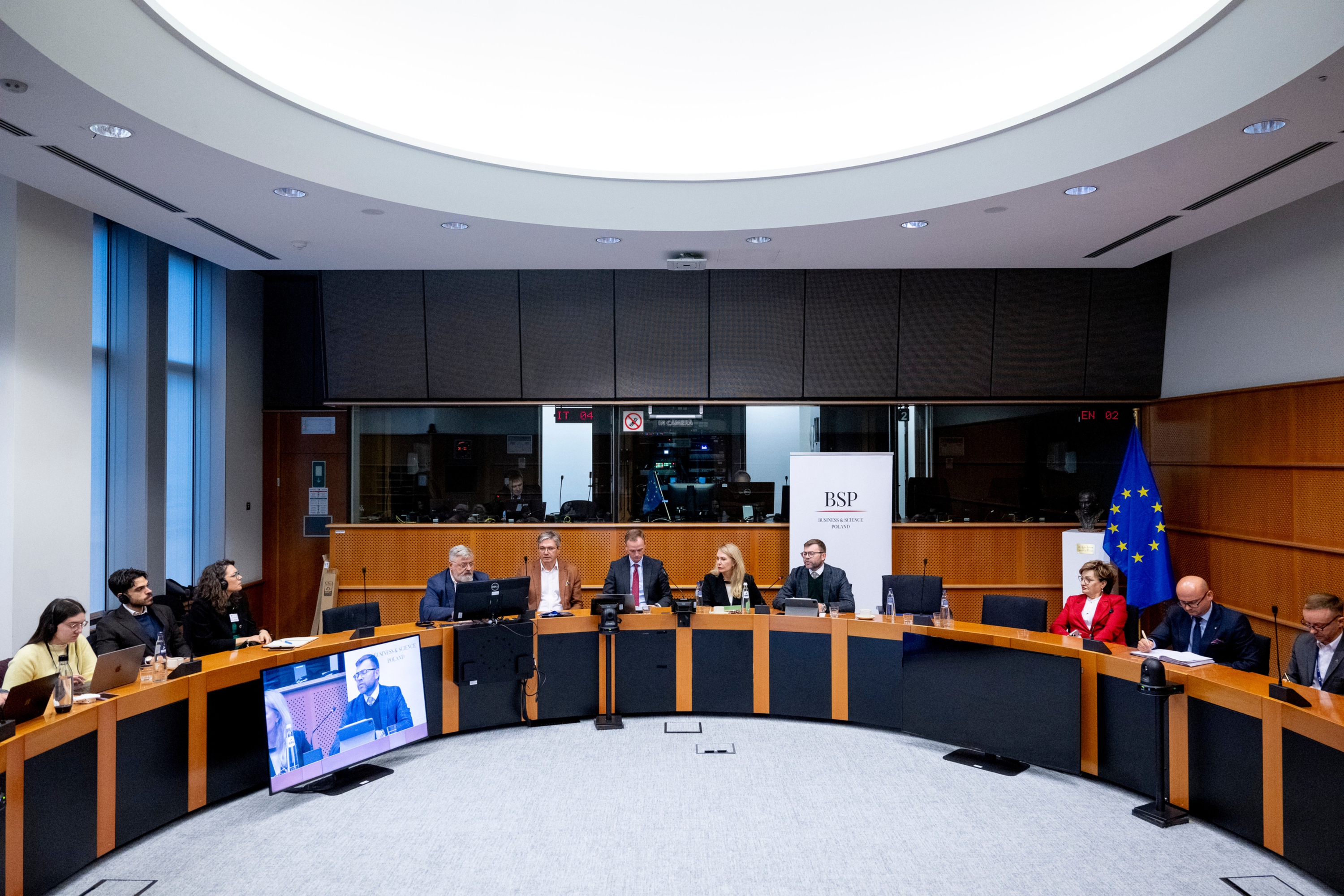
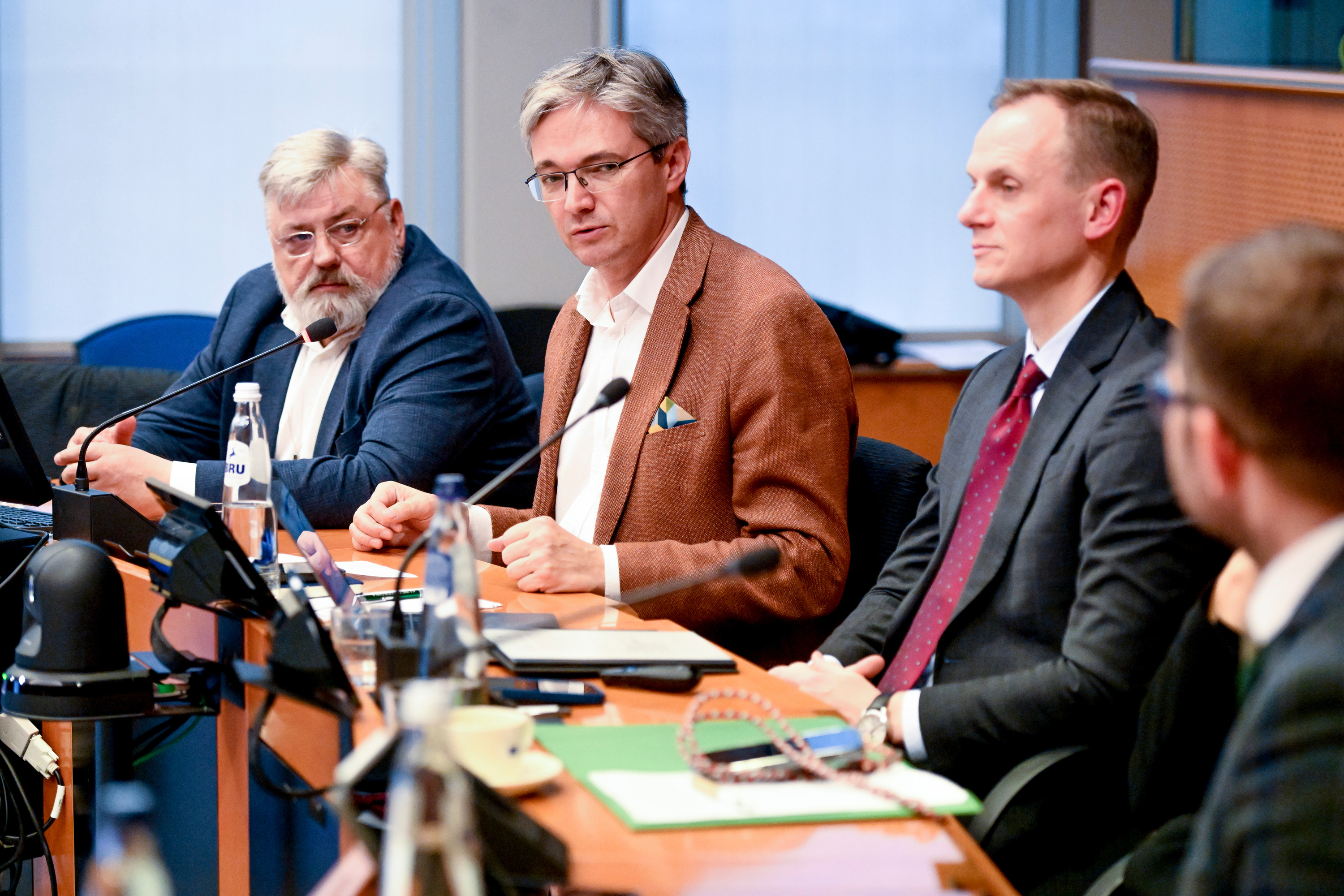
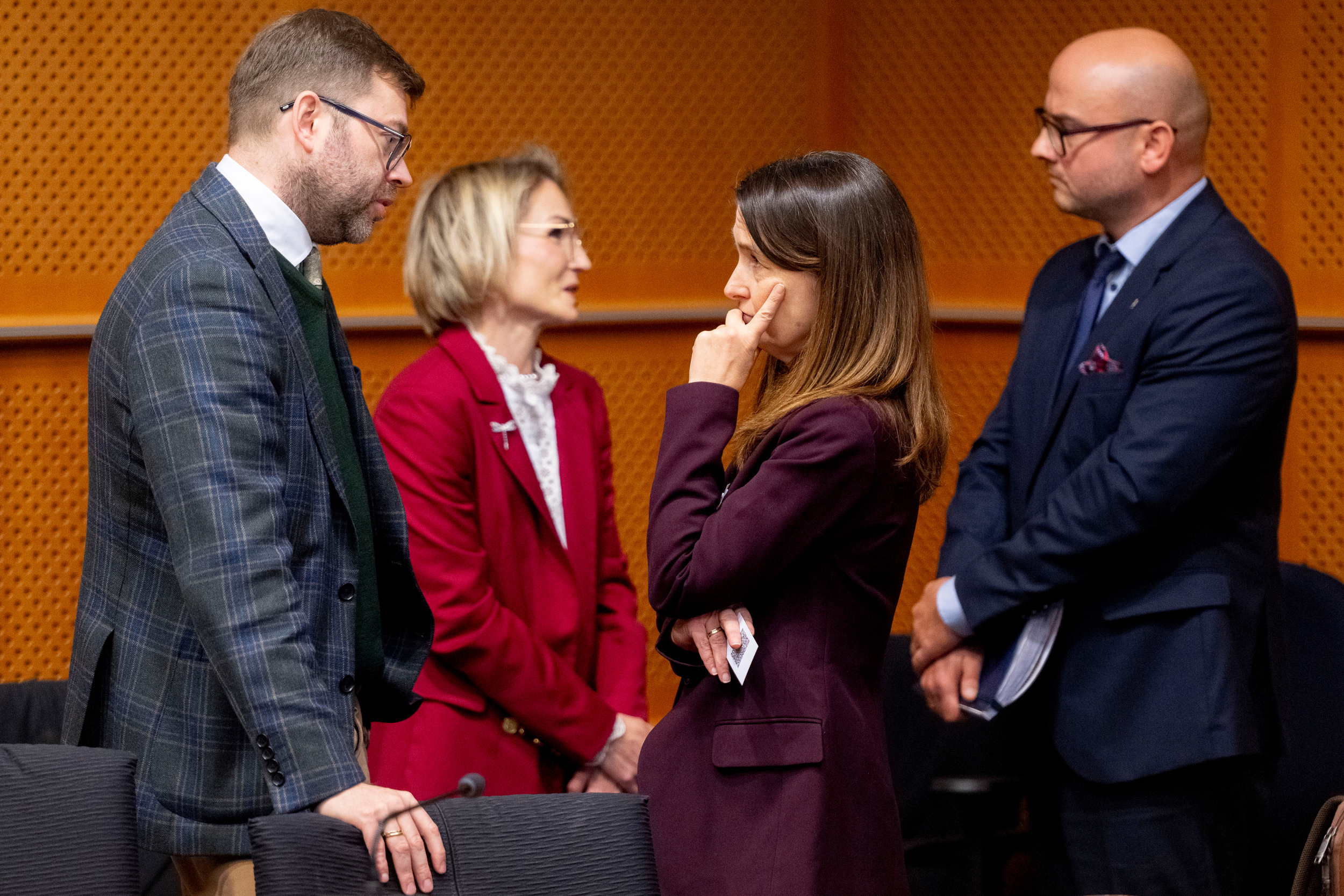
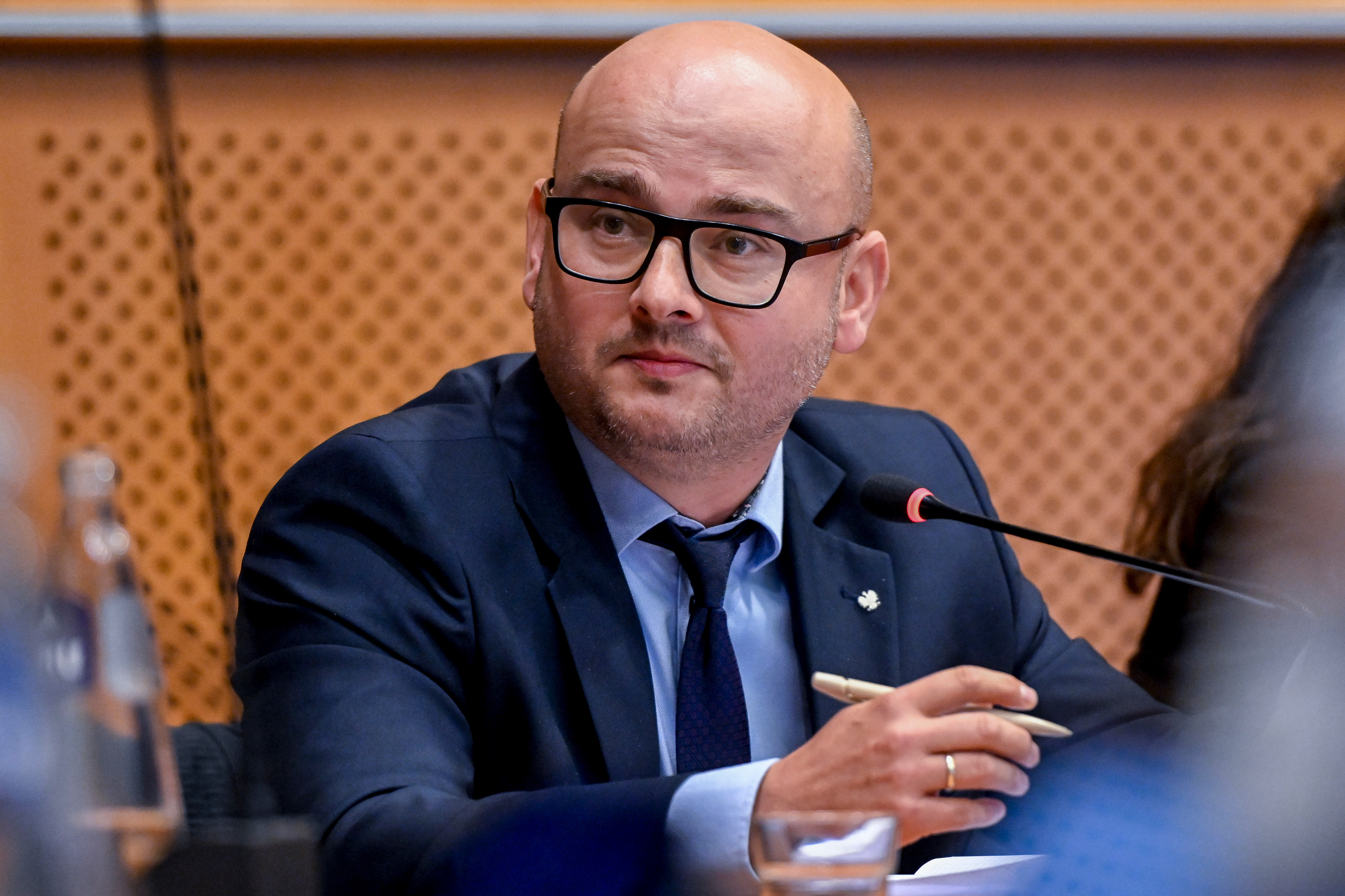
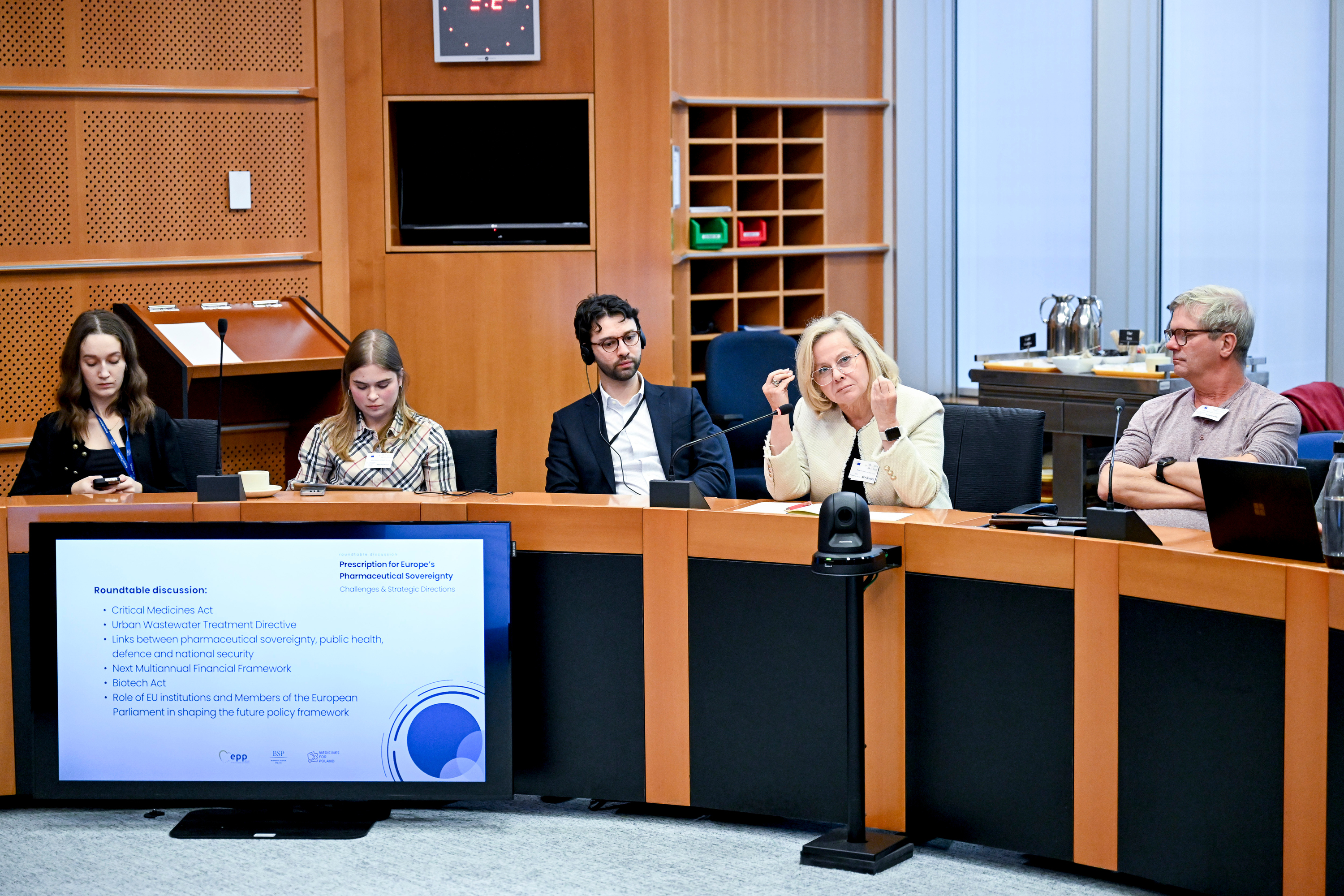
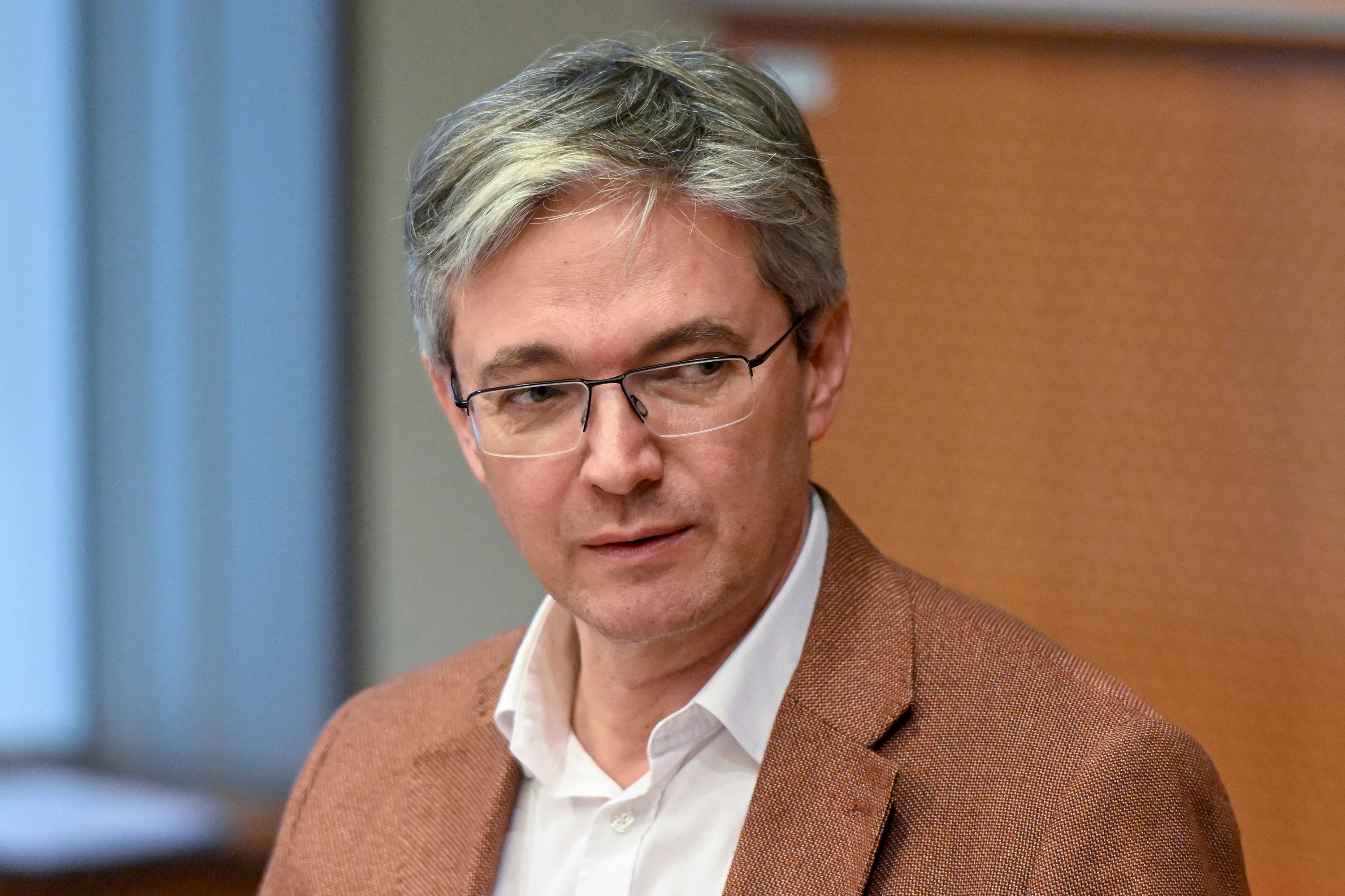
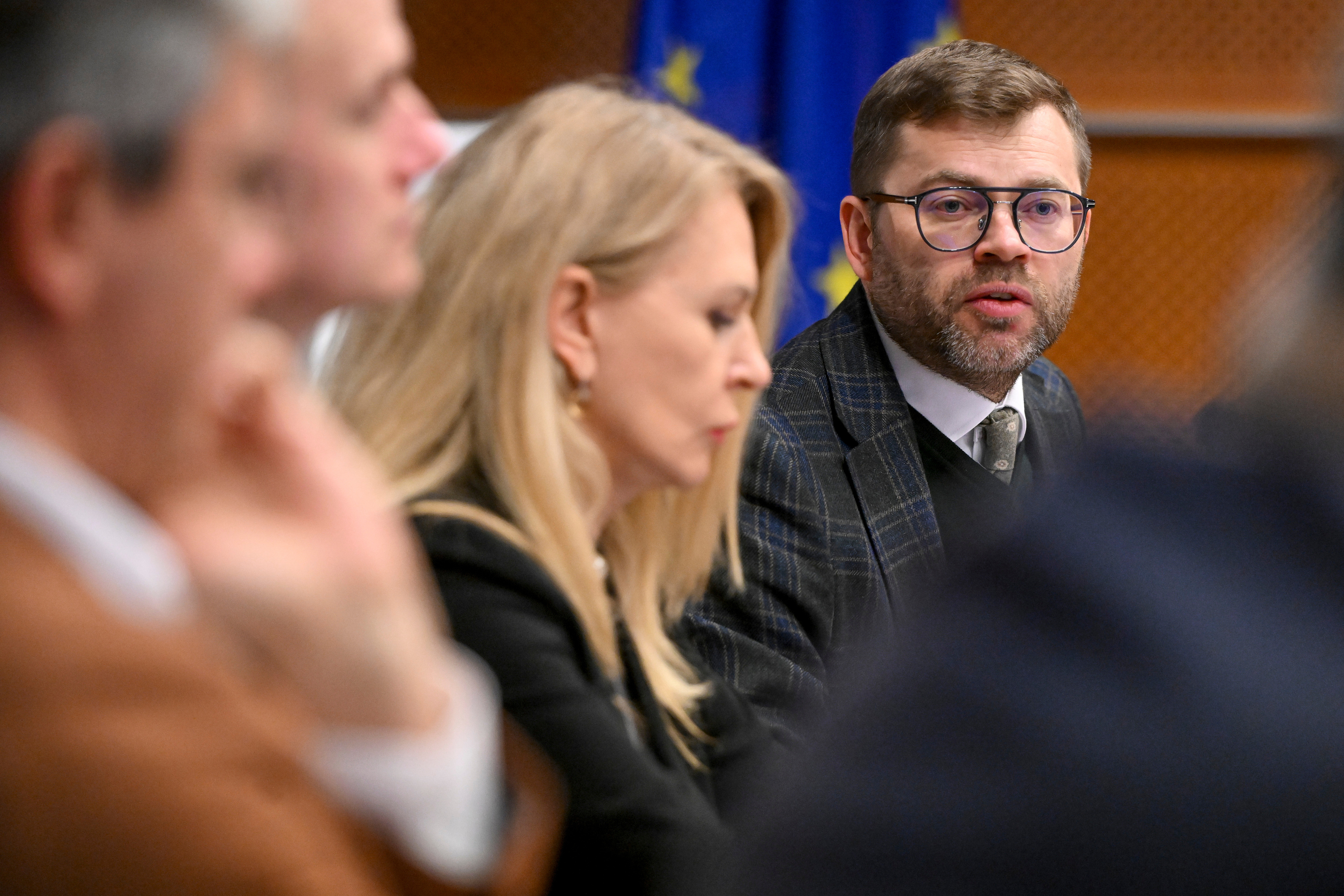
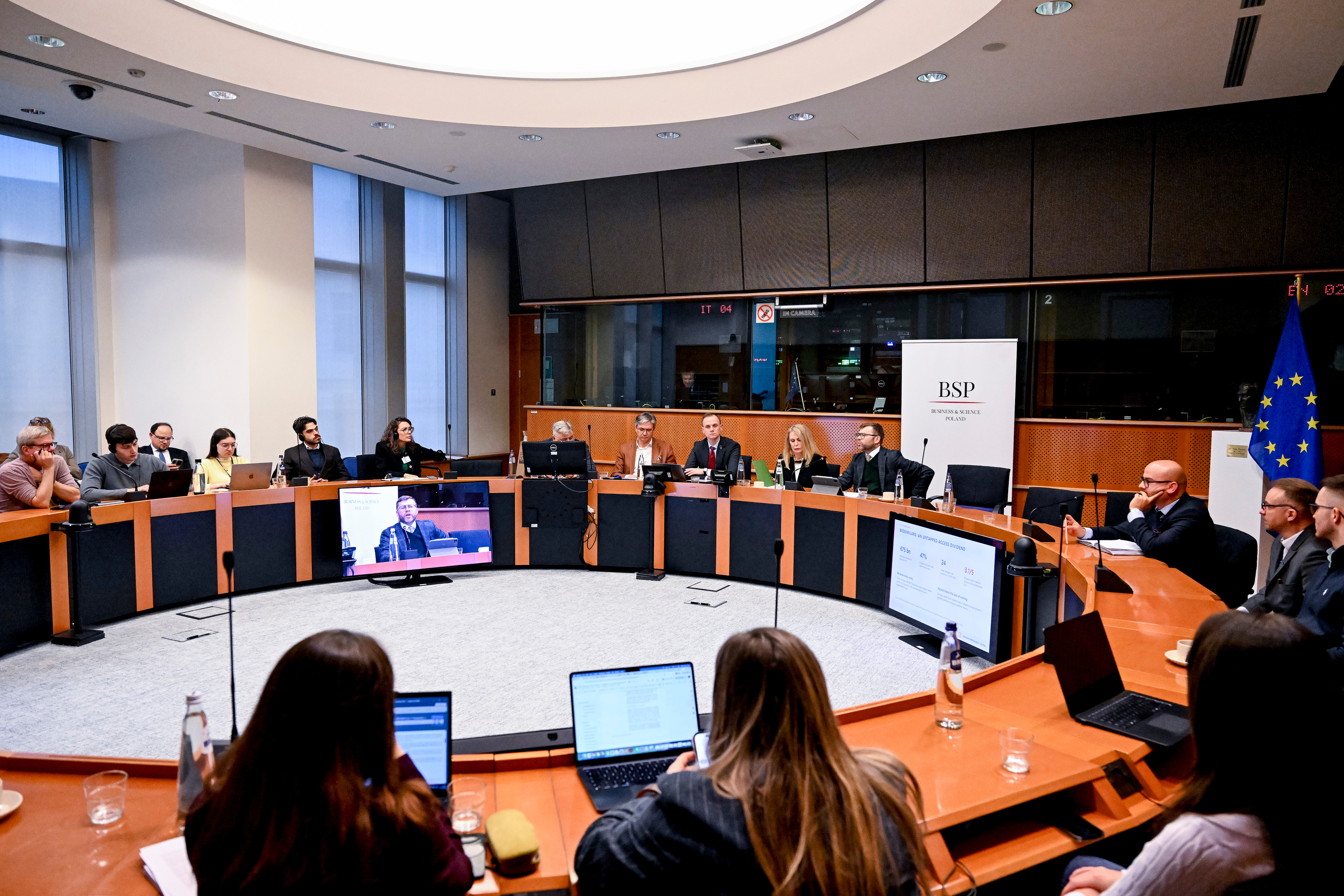
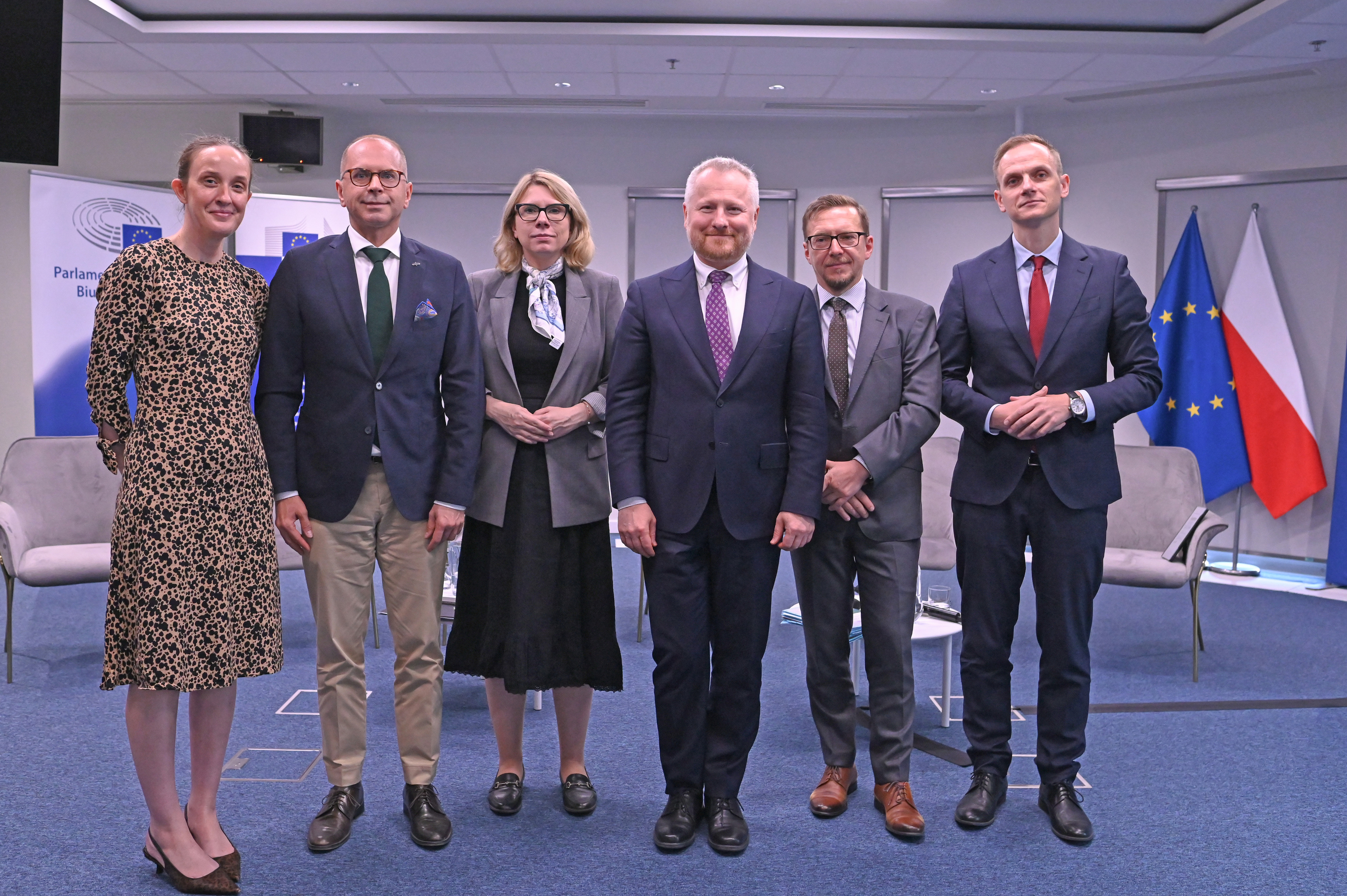
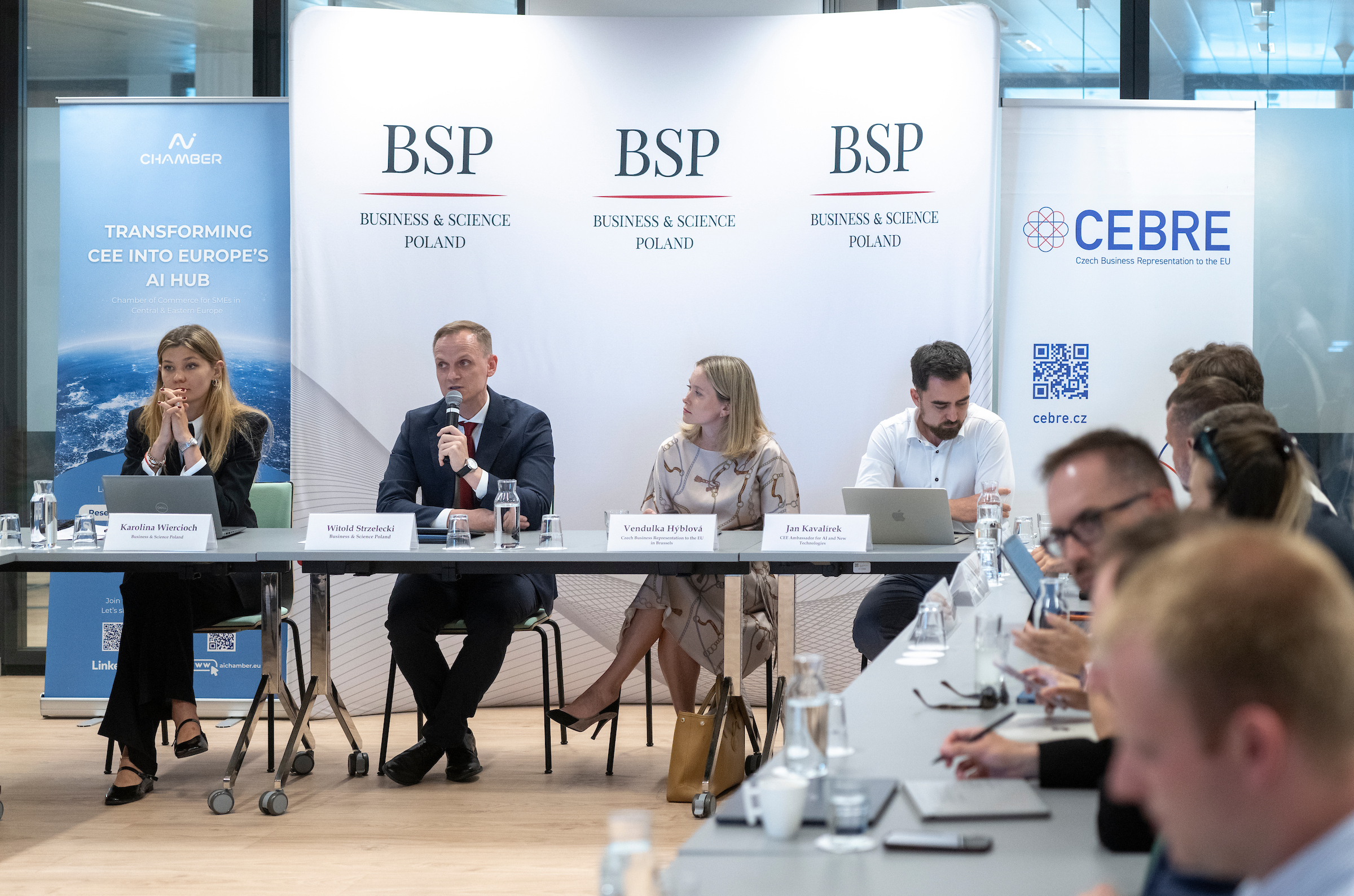
On Wednesday, November 4, a debate was held at the European Parliament focusing on Europe’s pharmaceutical security, the stability of supply chains, and the conditions for the development of the European pharmaceutical industry. The event was organized by Business & Science Poland in cooperation with the Polish Association of Pharmaceutical Industry Employers – Krajowi Producenci Leków, and was hosted by Member of the European Parliament Elżbieta Łukacijewska. The discussion brought together representatives from European institutions and the pharmaceutical sector, including Members of the European Parliament: Mirosława Nykiel, Kamila Gasiuk-Pichowicz, Małgorzata Adamowicz, Adam Jarubas, and Kosma Złotowski.
One of the key topics addressed was Europe’s growing dependence on suppliers from outside the European Union, most notably China and India, which provide approximately 80% of the active pharmaceutical ingredients used in the production of medicines. It was emphasized that the security of the medicine supply should be viewed as a component of national security and the strategic resilience of the member states.
As Elżbieta Łukacijewska noted, the issue of pharmaceutical security often goes unnoticed until real problems with the availability of medicinal products arise: "We only think about medicines when they start to run out." She also emphasized that efforts to strengthen the sector require consistency and must take into account the actual costs of the solutions being implemented.
Particular attention was drawn to the need to rebuild European production capacities, including those for active pharmaceutical ingredients (APIs) and critical medicines. It was pointed out that national capacity is limited: in Poland, there are only 9 facilities producing APIs, out of approximately 440 operating across Europe.
Among the key challenges facing the sector are fragile supply chains, rising costs of energy and labor, the expenses associated with meeting regulatory requirements, and insufficient support for innovation and collaboration between academia and the industry.
The discussion also covered the need to refine the definition of critical medicines, issues regarding access to financing, and the impact of environmental and tax regulations on the competitiveness of European manufacturers.
Potential solutions identified include the use of EU financial instruments, such as the forthcoming Competitiveness Fund and the Multiannual Financial Framework for 2028–2034, as well as the strategic targeting of state aid by member states. The proposed Biotech Act could also play a significant role, with its provisions intended to foster innovation and shorten certification processes. Furthermore, the importance of developing complete production chains within Europe, rather than limiting activity to specific stages of manufacturing, was underscored.
During the debate, attention was drawn to the need to maintain a balance between industrial competitiveness, security of supply, and the affordability of medicines. As the participants emphasized, medicines must be accessible to citizens while remaining financially sustainable for the budgets of member states. Strengthening the European pharmaceutical sector therefore requires not only ambitious regulations but, above all, a coherent approach, a predictable legal environment, and adequate financial investment.
Member of the European Parliament Adam Jarubas highlighted the need to step up efforts to support the European pharmaceutical industry, especially given the current geopolitical climate: "When the external environment is unfavorable, we must work even harder." He further stressed that it is crucial to reconcile the accessibility of medicines for citizens with the budgetary constraints of member states.