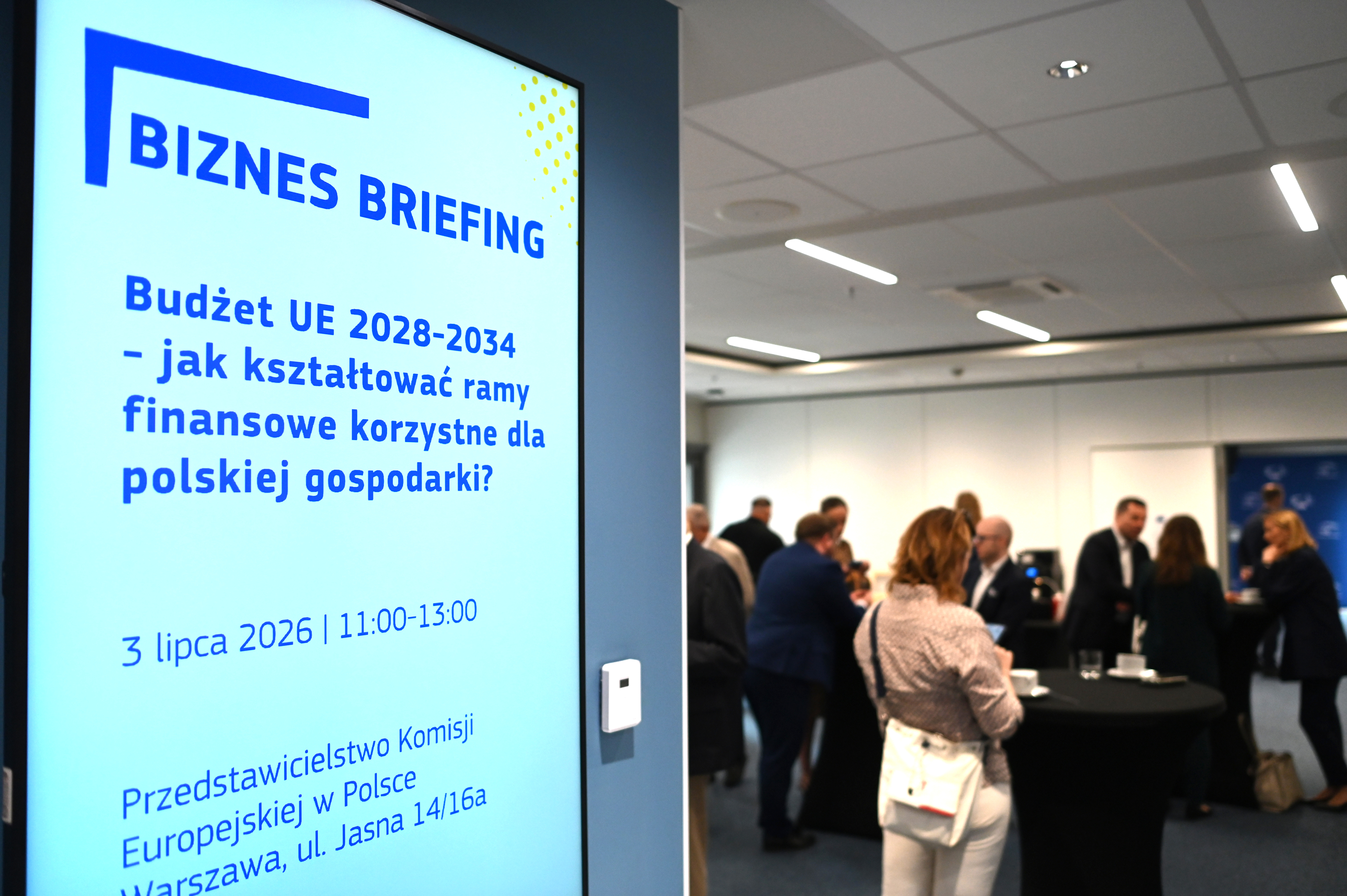
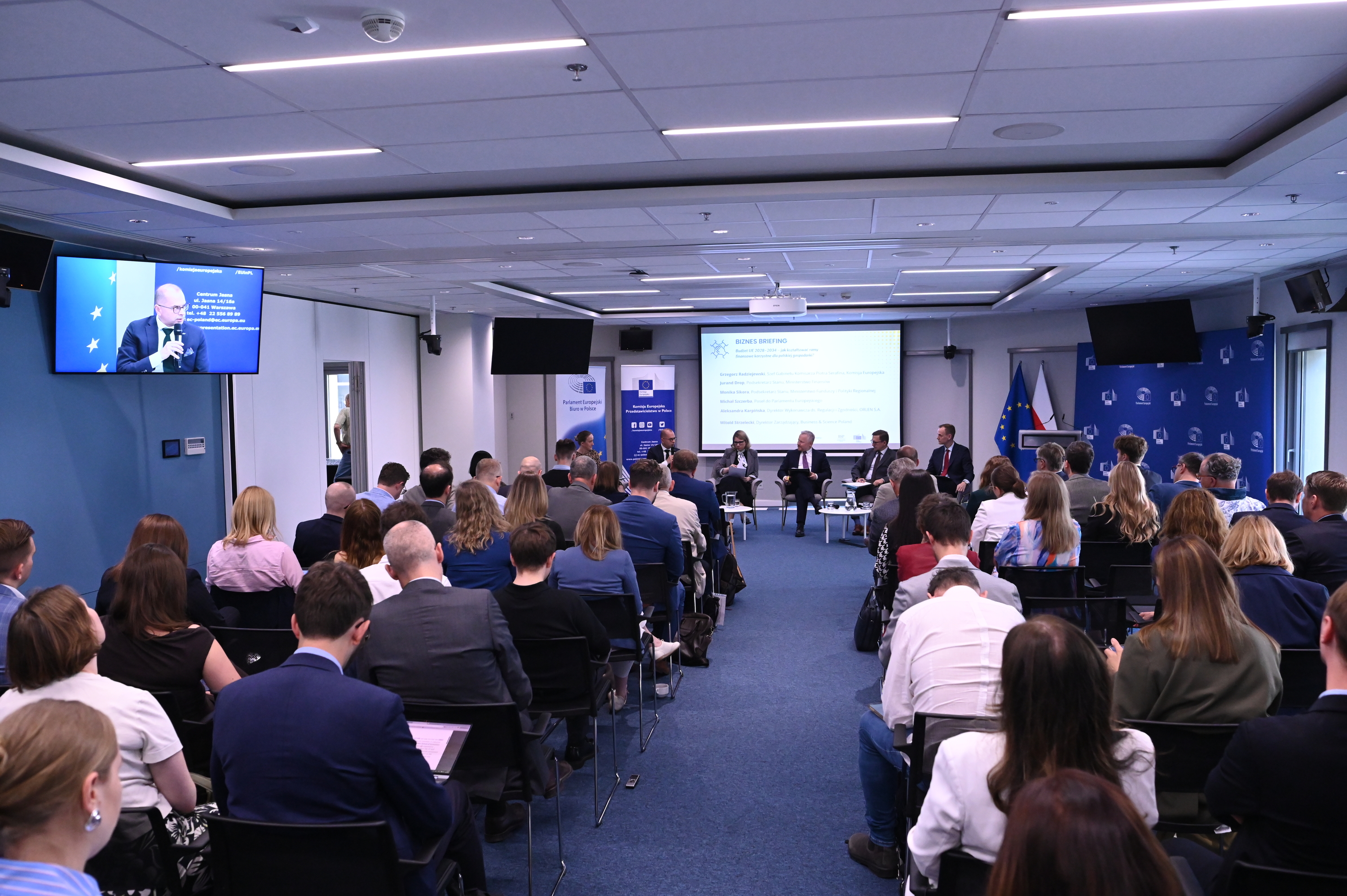
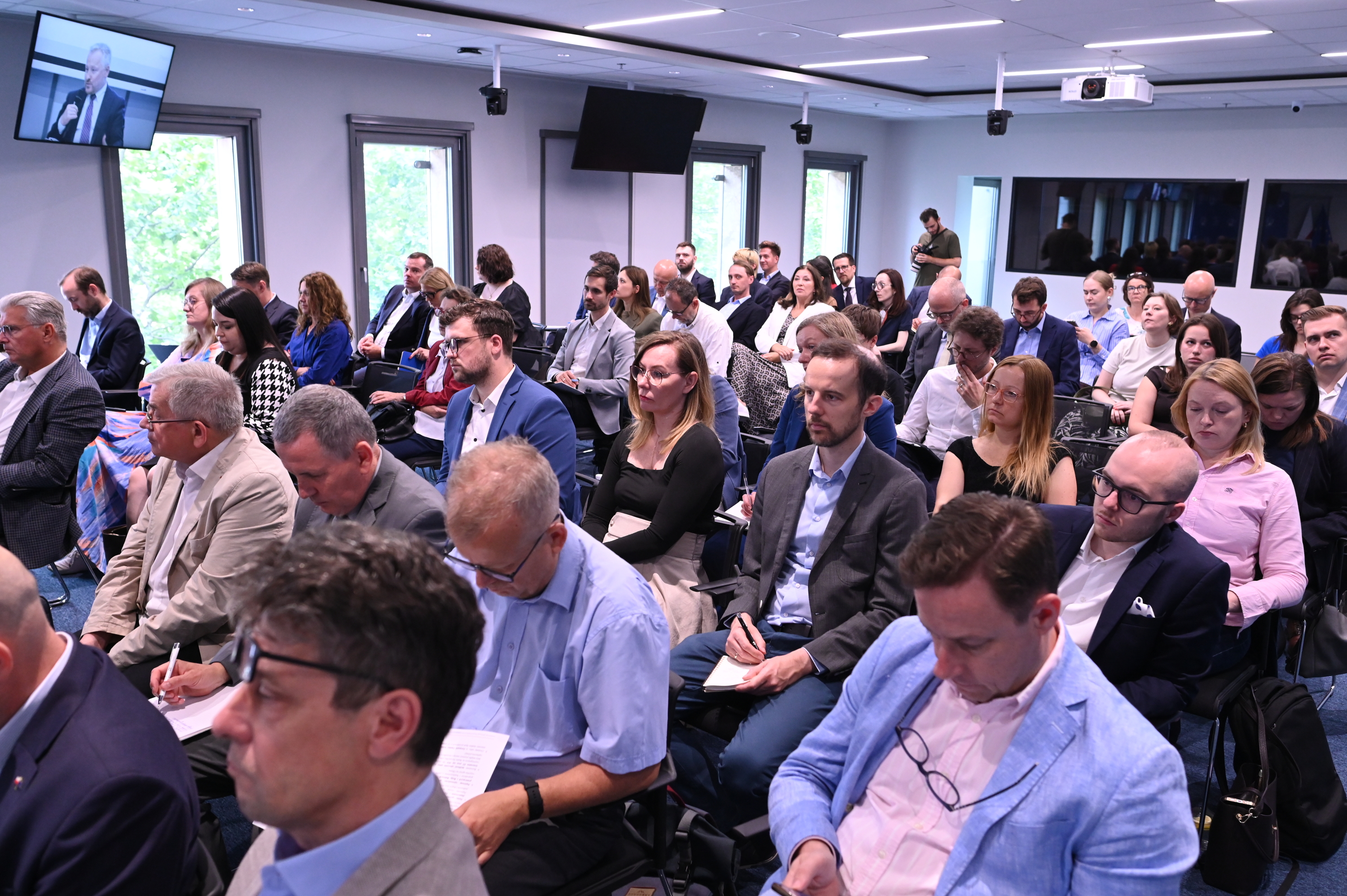
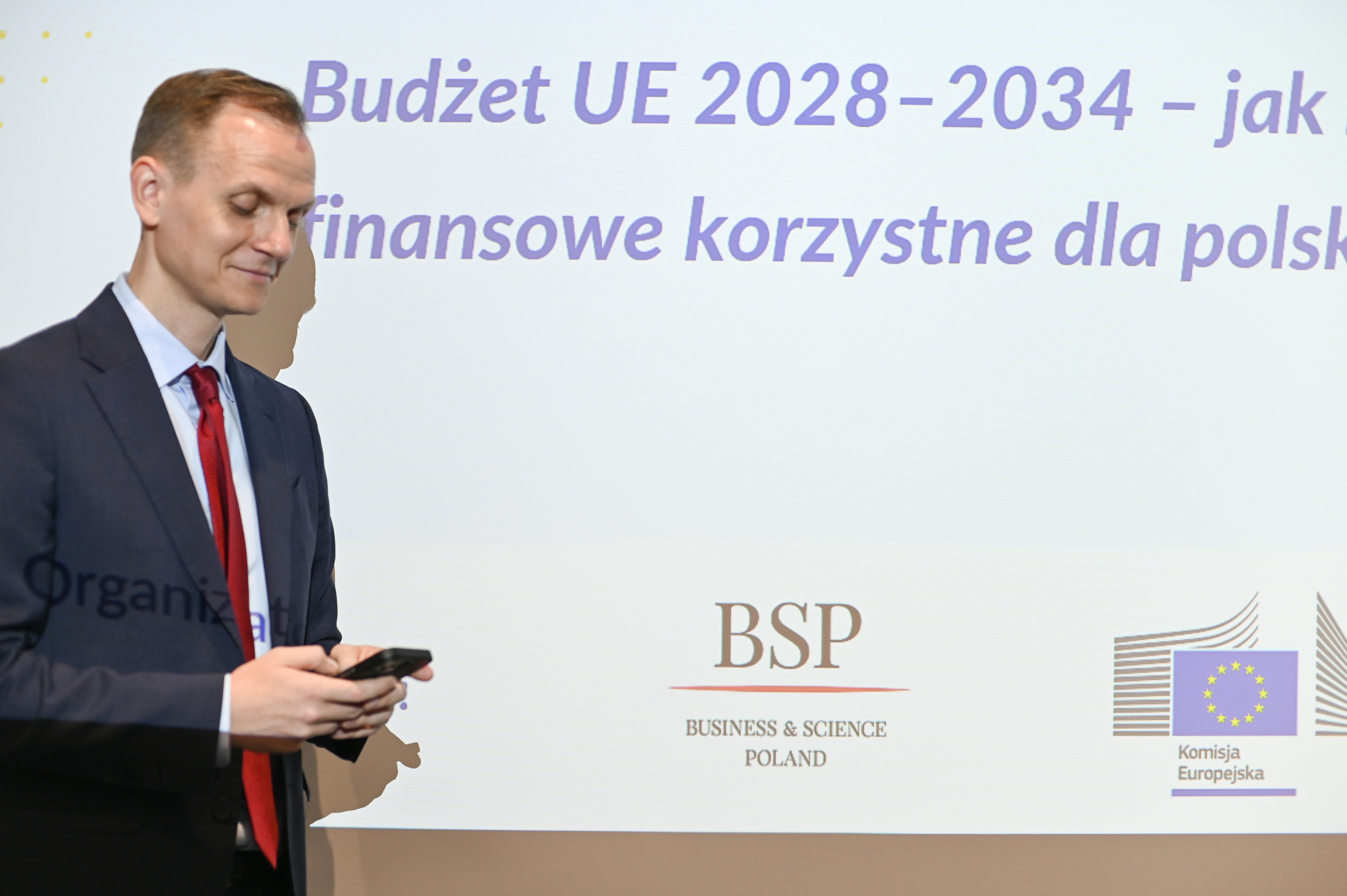
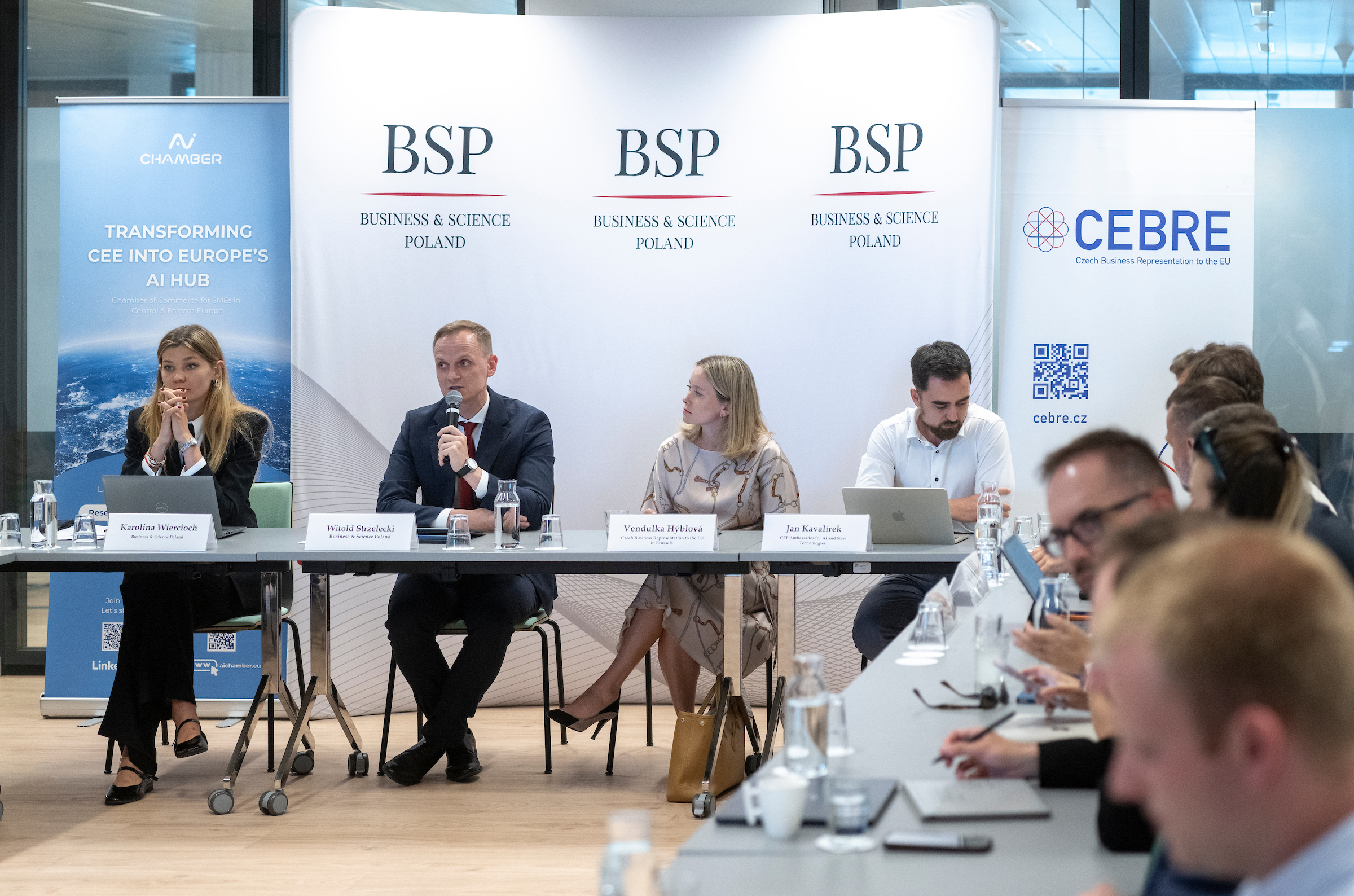
On 3 July, Business & Science Poland hosted the policy briefing "EU Budget 2028–2034: Shaping a Financial Framework that Supports Poland's Economy" in Warsaw, organised in cooperation with the European Commission Representation in Poland and the European Parliament Liaison Office in Warsaw. The discussion focused on the future Multiannual Financial Framework (MFF) for 2028–2034 and explored how the new budgetary architecture could strengthen the competitiveness, cohesion, security and investment capacity of the Polish economy.
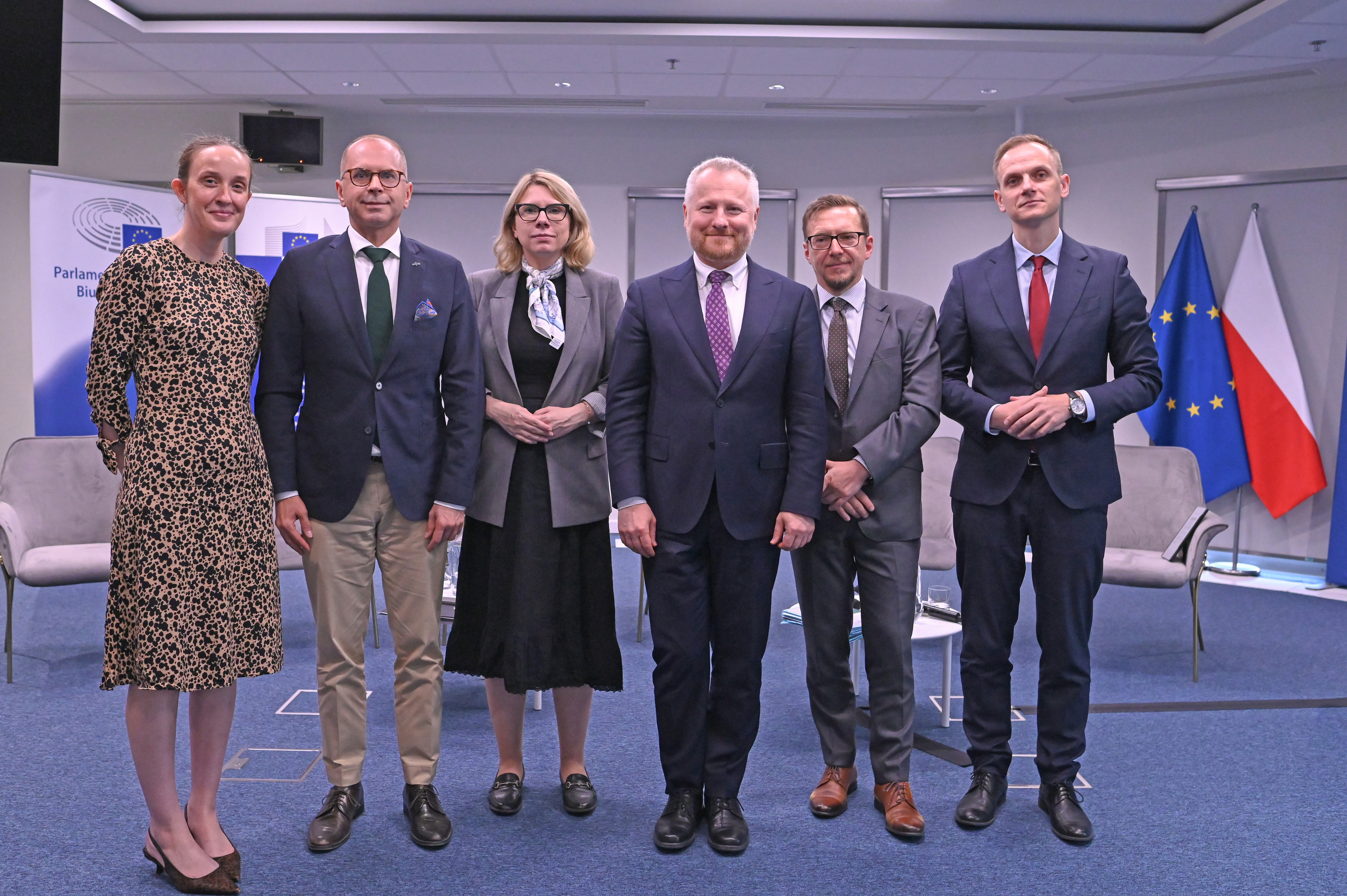
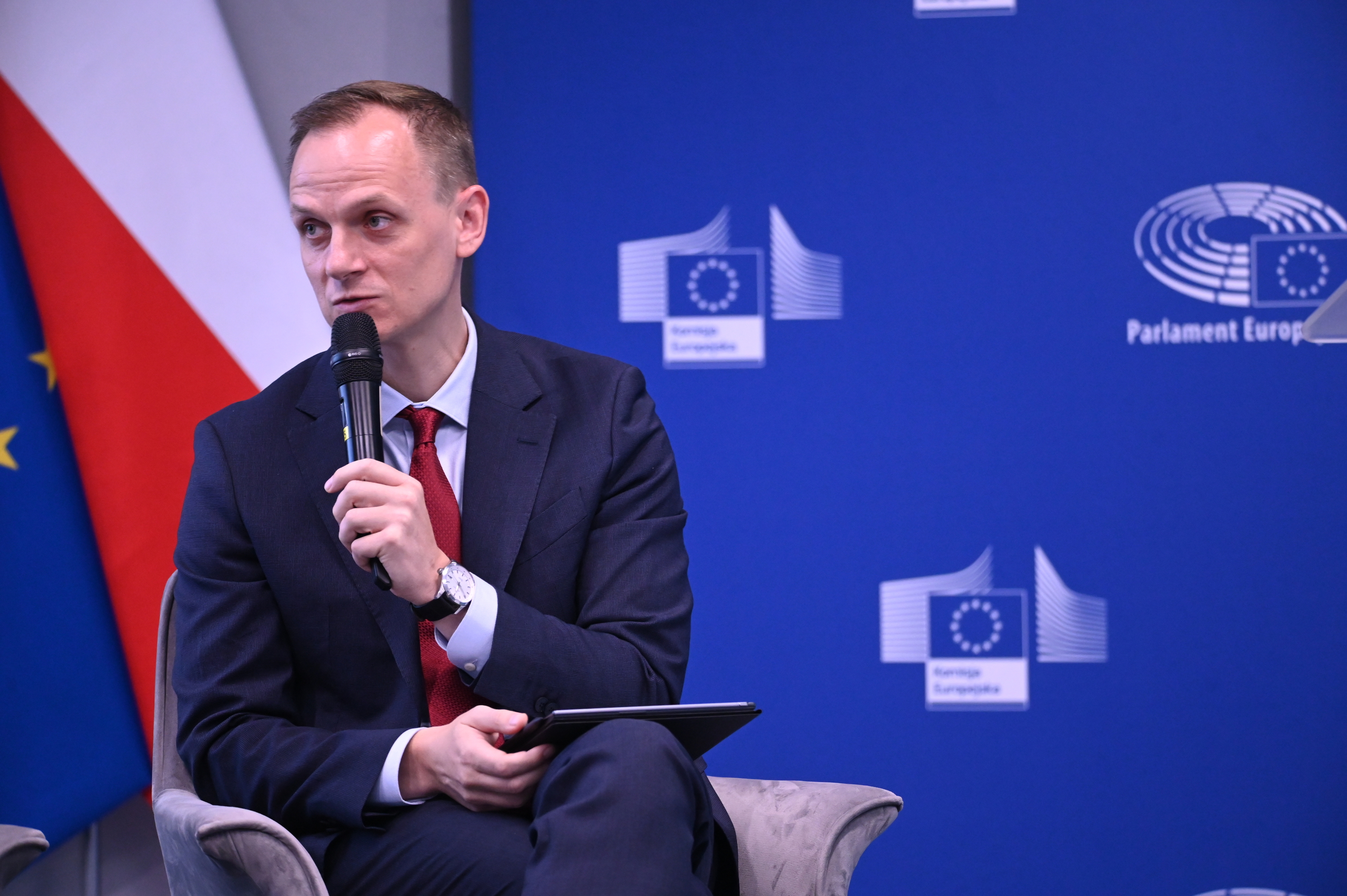
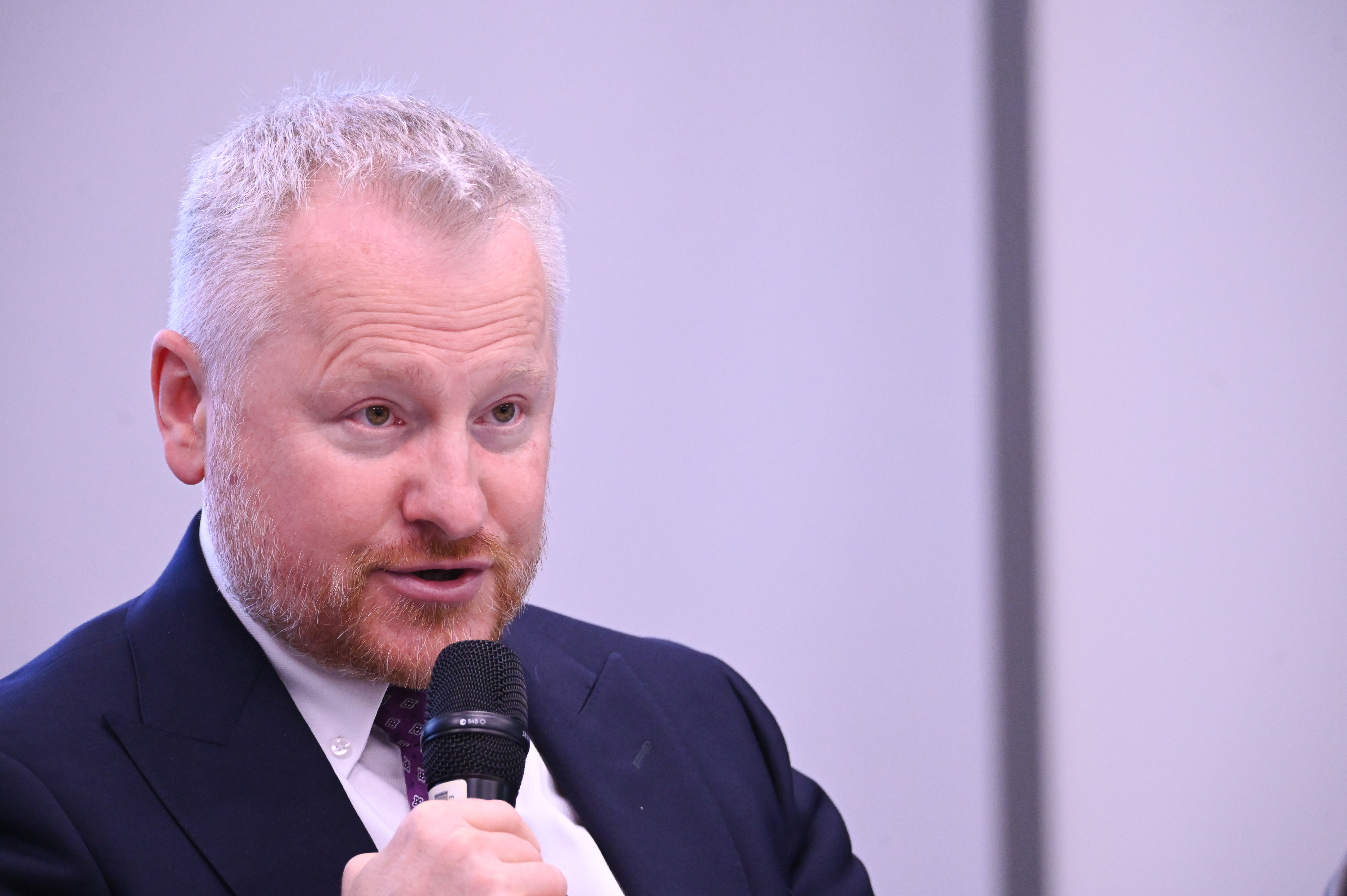
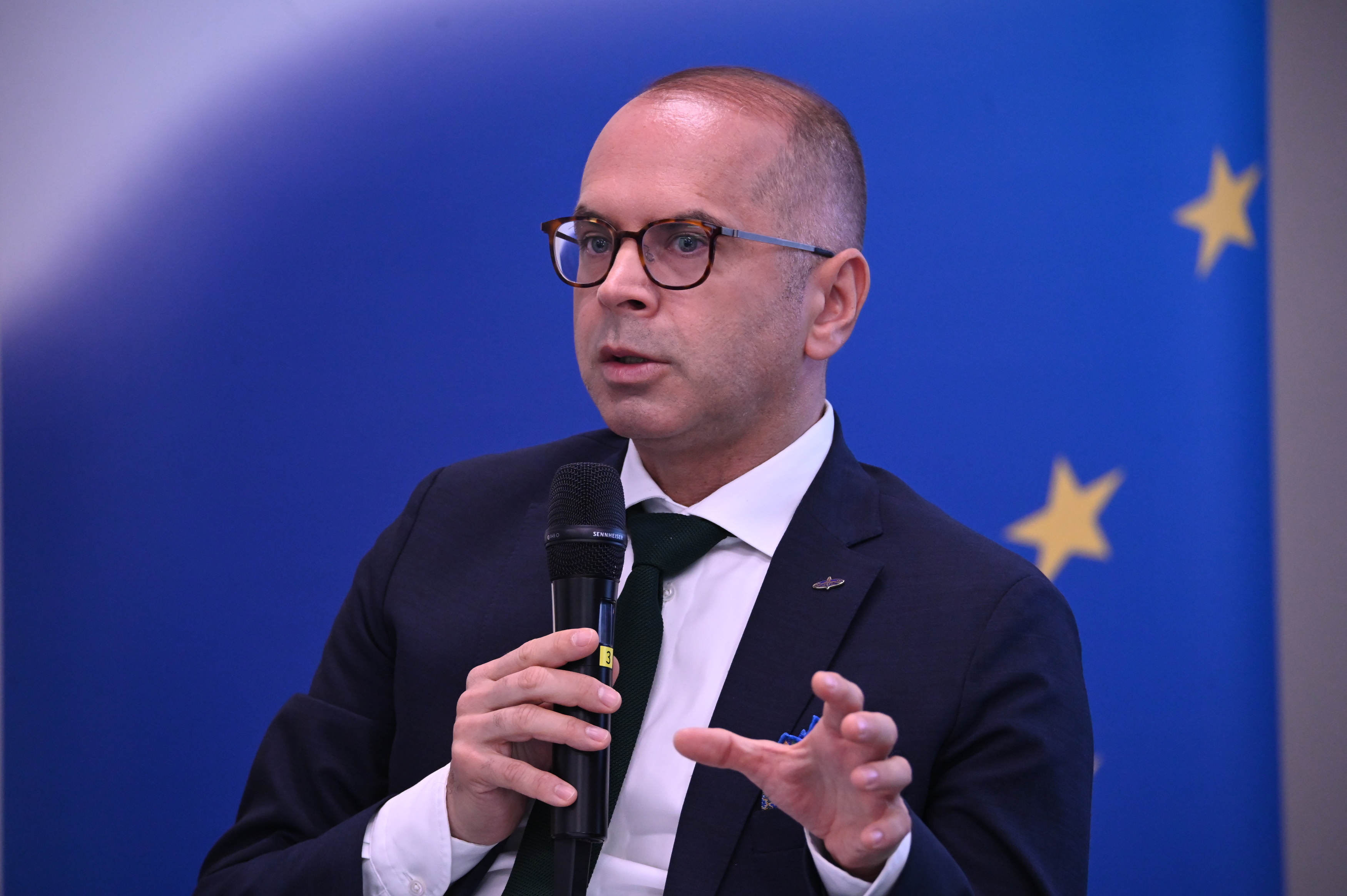
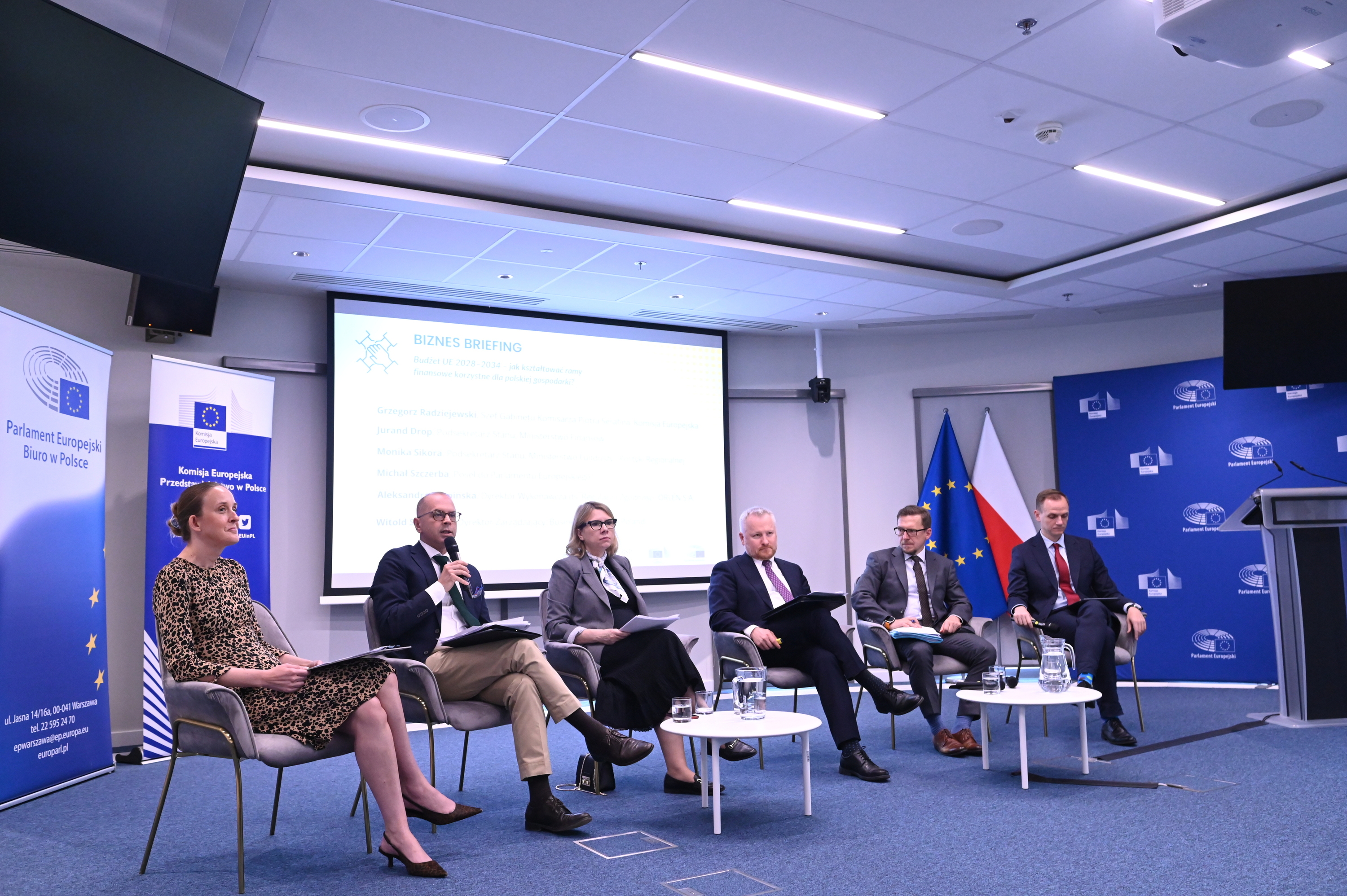
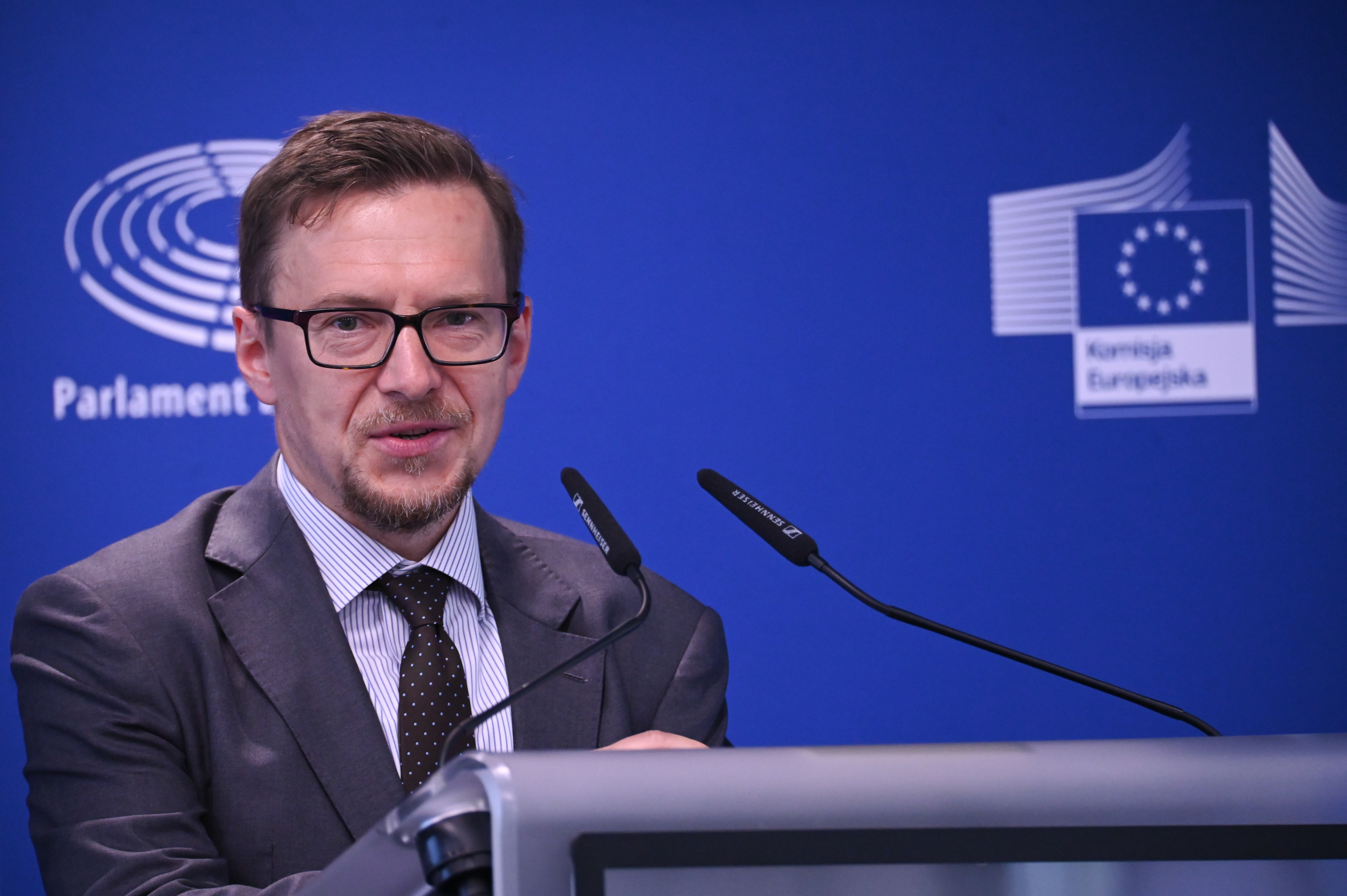
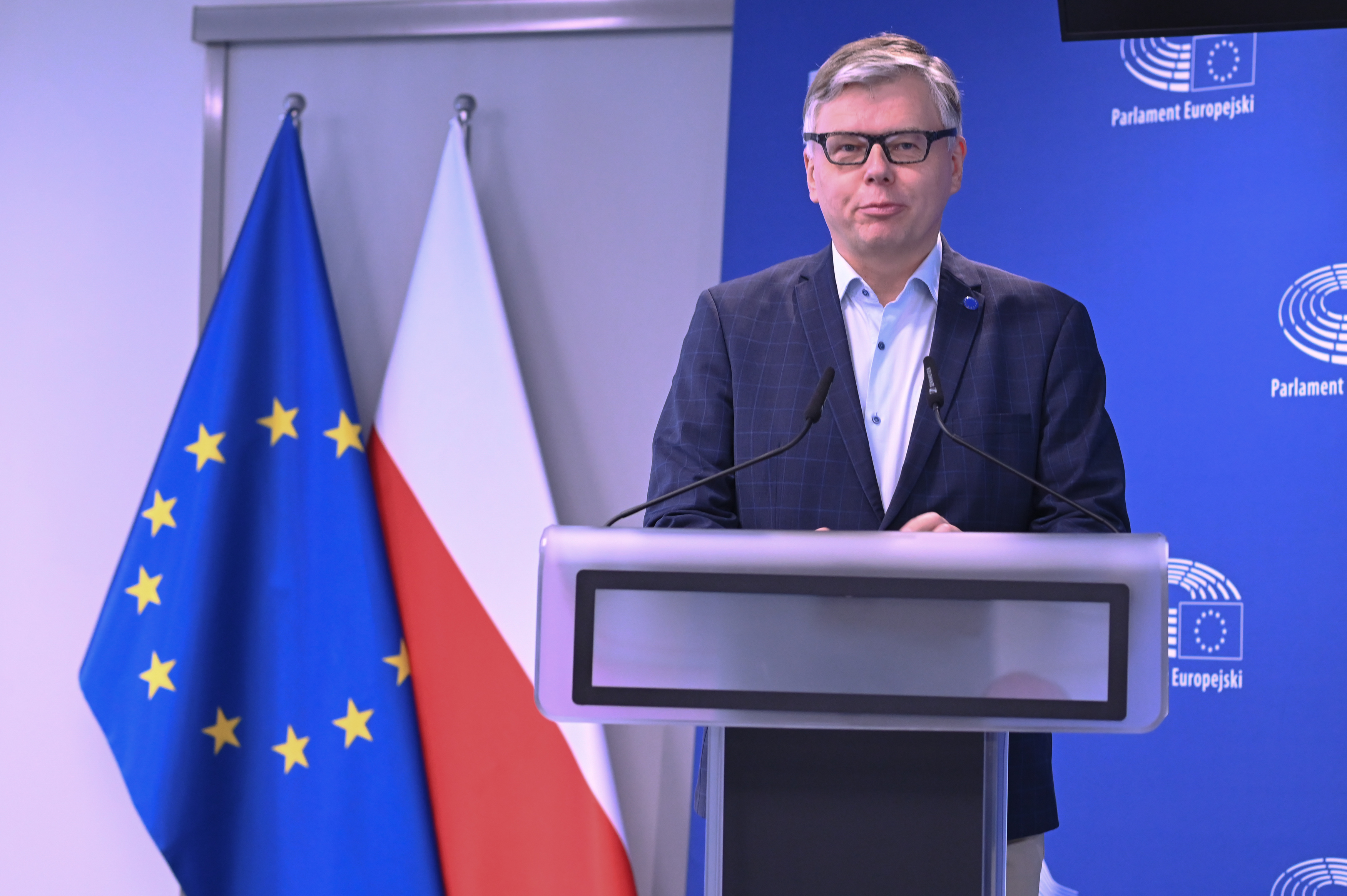
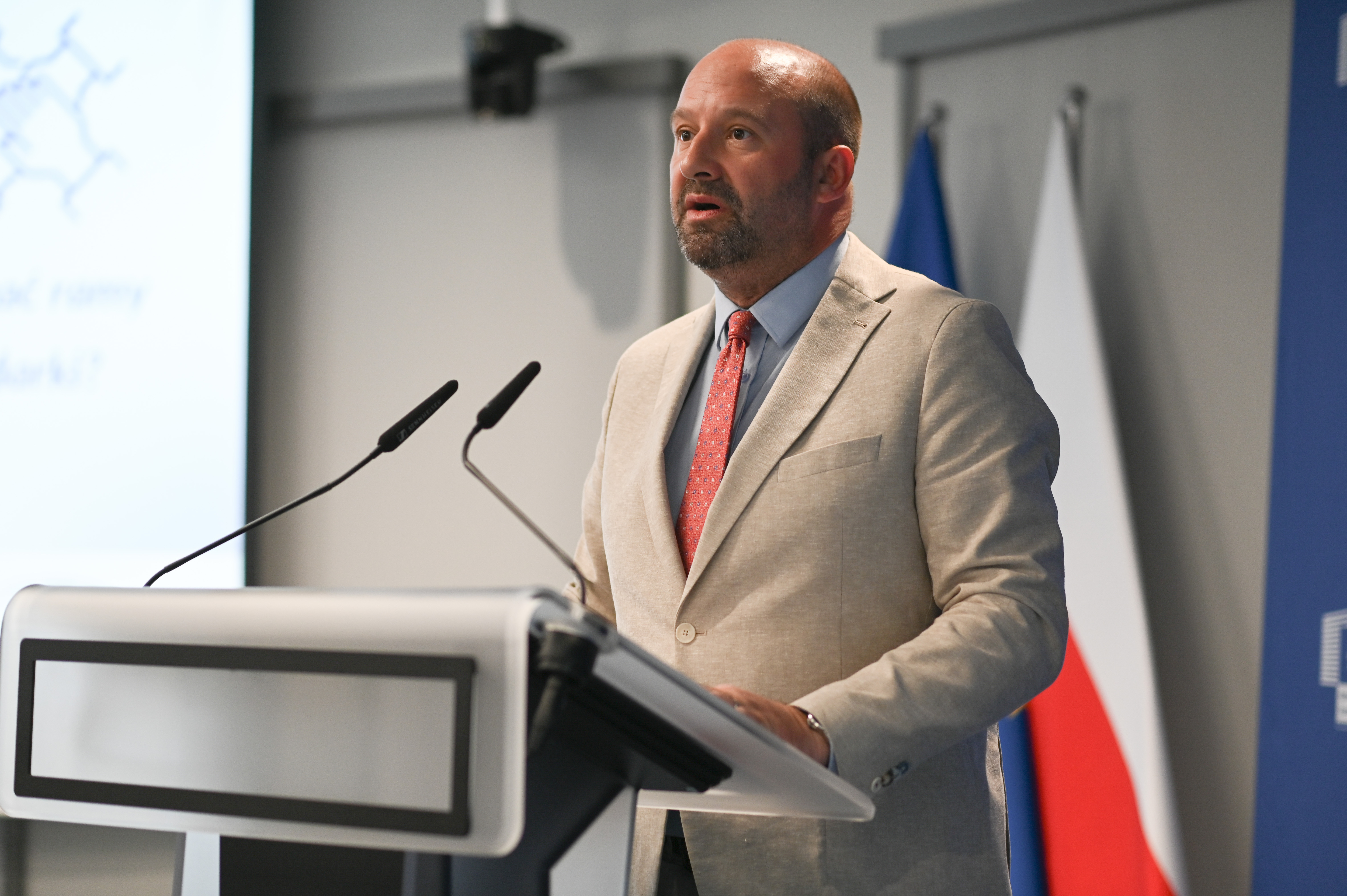
The briefing brought together representatives of the European Commission, the European Parliament, the Polish government and the private sector, including Grzegorz Radziejewski, Head of Cabinet of Commissioner Piotr Serafin; Michał Szczerba, Member of the European Parliament; Jurand Drop, Undersecretary of State at the Ministry of Finance; Monika Sikora, Undersecretary of State at the Ministry of Funds and Regional Policy and Aleksandra Karpińska, Executive Director for Regulation and Compliance at ORLEN S.A. The discussion was moderated by Witold Strzelecki, Managing Director of Business & Science Poland.
The debate highlighted that the next EU budget will be more than another financial framework. It is expected to become one of the European Union's key instruments for responding to growing competitive pressures, increasing security challenges and the costs of industrial transformation. Against this backdrop, participants discussed whether greater flexibility and a stronger concentration of resources on strategic priorities could come at the expense of predictable funding and equal access to EU financial instruments.
As Grzegorz Radziejewski noted, the new budgetary approach is intended to enable the European Union to respond more effectively to unforeseen crises. "During crises such as COVID-19, the energy crisis, or the current trade disputes, our ability to react has been significantly constrained. To avoid a similar situation in 2028–2034, the proposal we have put forward clearly shifts the balance towards greater flexibility."
A central theme of the discussion was the design of the European Competitiveness Fund and the risk that funding could become concentrated in Member States and innovation ecosystems with the strongest institutional capacity. Aleksandra Karpińska of ORLEN S.A. stressed that technological neutrality, the possibility of financing investments with the greatest emissions reduction potential, and reducing unnecessary administrative burdens will be essential for ensuring the effectiveness of future EU financial instruments. She argued that, in its current form, the European Competitiveness Fund does not yet fully reflect business needs. "The eligibility criteria, funding priorities and short-term instruments remain focused on a limited range of technologies. At present, these are solutions that can only be deployed on a relatively small scale. We see significant potential to support technologies that can be rolled out much more broadly and deliver greater emissions reductions."
The discussion also addressed the changing priorities of the future MFF, including the substantial increase in funding dedicated to defence capabilities and military mobility. MEP Michał Szczerba pointed out that the proposed budget responds to Europe's security challenges more decisively than ever before. "We are witnessing a dramatic increase — from €14.9 billion to €131 billion for the Defence and Space pillar." He added that the scale of the proposed allocation demonstrates that defence has become one of the EU's strategic priorities, closely linked to industrial policy and Europe's long-term competitiveness.
Participants also examined the Council negotiations on the future budget package and the proposed system of new own resources. Addressing Poland's negotiating priorities, Minister Jurand Drop emphasised the need for a more balanced distribution of funding under the European Competitiveness Fund. "One of our key priorities is to ensure a more balanced access to financing under the European Competitiveness Fund. We will work to guarantee that the Fund is accessible across the entire European Union, rather than primarily benefiting those Member States that have historically been more successful in absorbing such funding."
Responding to concerns over the increasing centralisation of EU spending, Minister Drop also underlined the continuing importance of cohesion policy. "We remain mindful of the development disparities between Member States and of the economic forces that naturally concentrate activity in the EU's core regions. Cohesion policy has always been regarded as an instrument to counterbalance these trends and to ensure a more even distribution of resources across Europe." He also expressed confidence that negotiations on the new MFF could be concluded by the end of 2026.
Another important aspect of the discussion concerned the future National and Regional Partnership Plans and the role of regional and local authorities in programming and implementing EU funds. While the new governance model may strengthen strategic planning at national level under the responsibility of the Ministry of Funds and Regional Policy, participants noted that questions remain regarding the extent to which regional authorities and local beneficiaries will retain meaningful influence over funding decisions and whether they may bear the consequences of centrally determined priorities.
Monika Sikora highlighted that integrating traditional Treaty-based policies, including cohesion policy and the Common Agricultural Policy, represents an innovative approach requiring close cooperation with regional authorities in defining priorities. At the same time, she stressed that regional governments will continue to play a significant role in preparing Partnership Plans under the first policy window.
Ultimately, the future MFF will determine not only the overall level of available funding but also the rules governing access to EU financing and the conditions under which Polish businesses and institutions will participate in the European Union's new investment architecture.
Business & Science Poland continues its advocacy efforts towards the EU institutions throughout the negotiations on the 2028–2034 Multiannual Financial Framework. The discussion with representatives of the European institutions, national administration and the private sector constitutes an important contribution to the debate on how to safeguard the interests of Polish stakeholders in accessing funding that strengthens Europe's competitiveness.
From Business & Science Poland's perspective, the future EU budget should ensure a fair distribution of resources, strengthen the investment capacity of European businesses, and avoid increasing the tax burden in ways that would undermine the European Union's objective of restoring its global economic competitiveness.
Photos: Flickr



.jpg)