.jpg)
Europe’s Agri-Food Sector Needs Stable Conditions for Growth
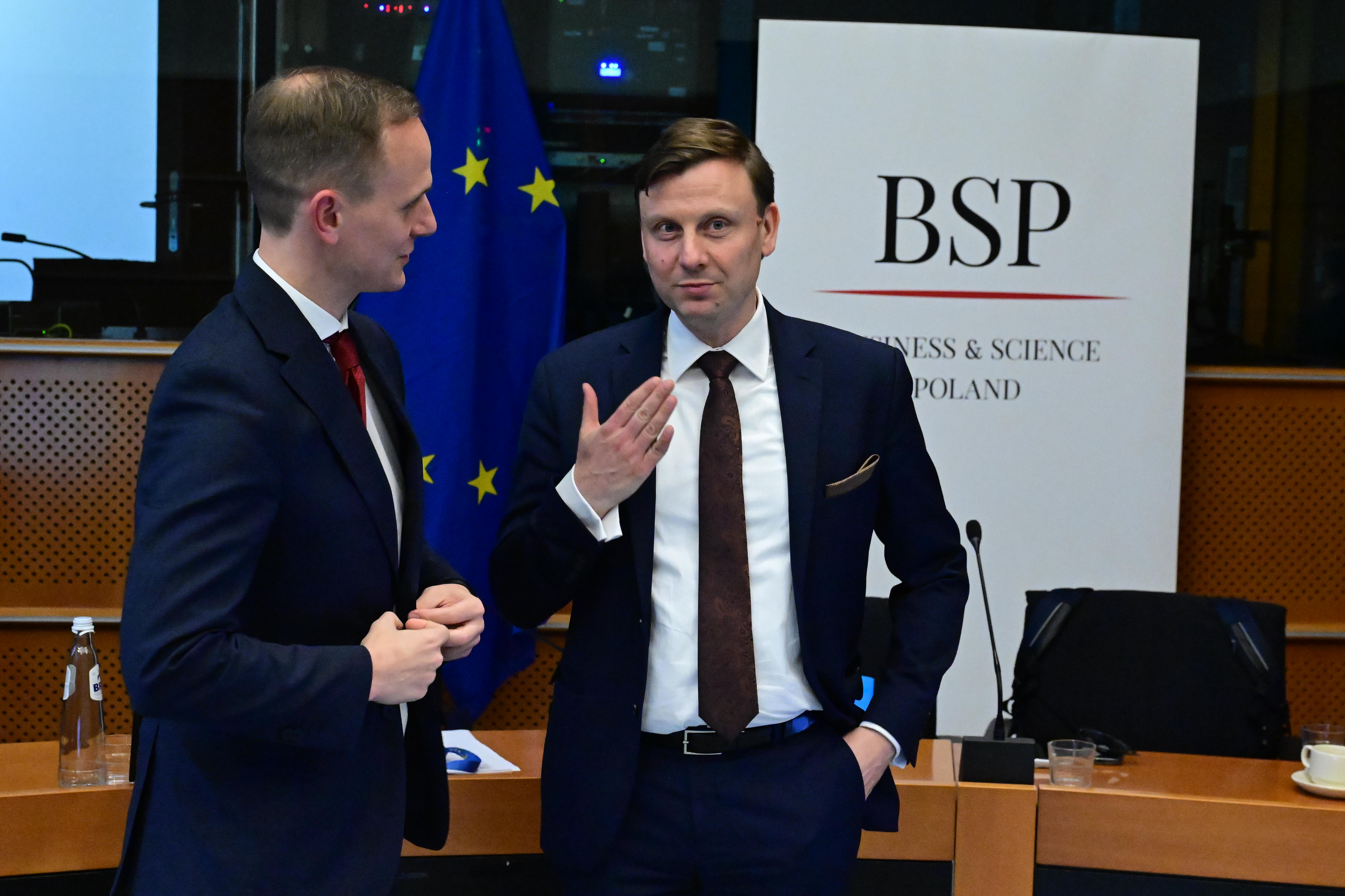
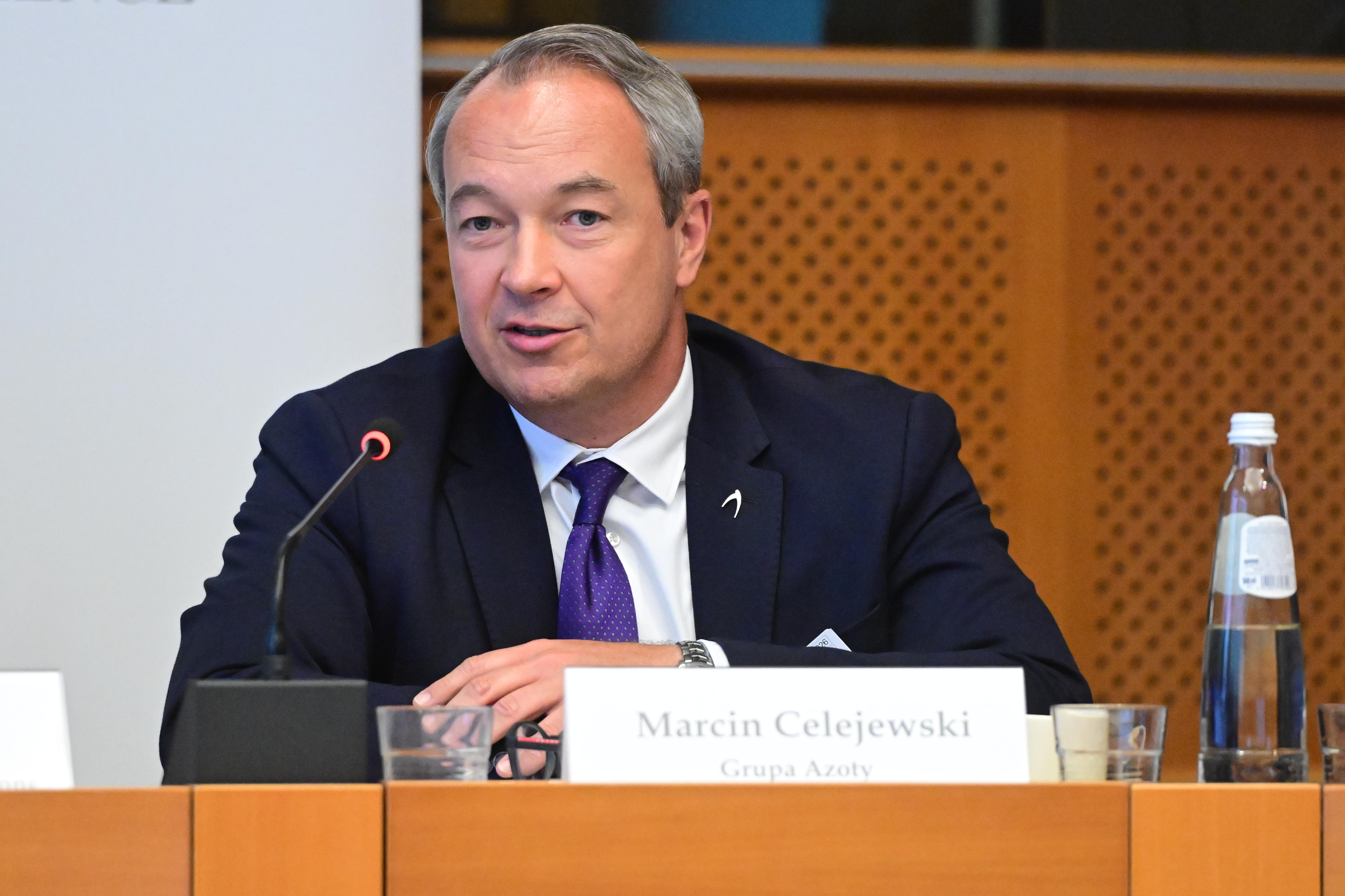
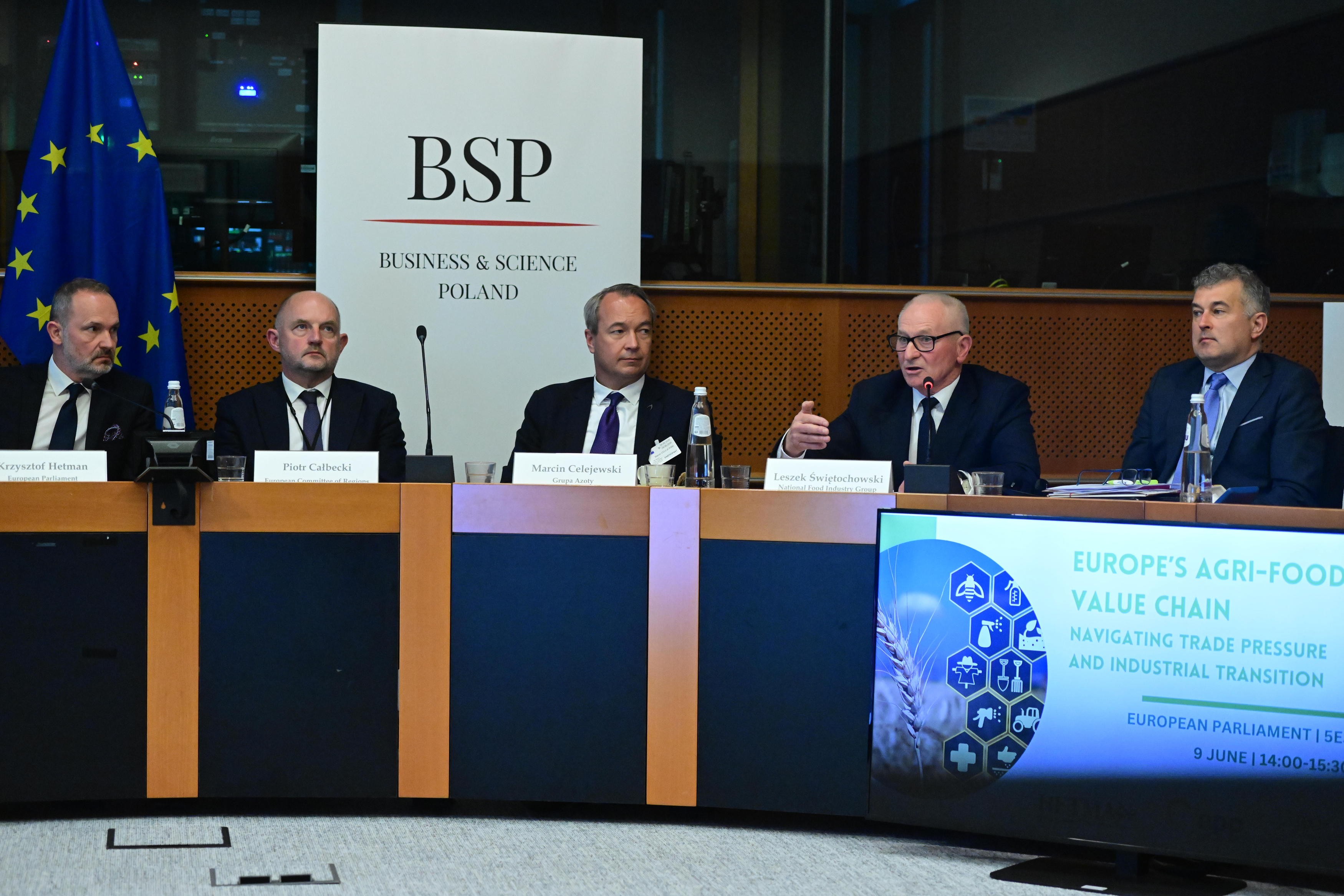
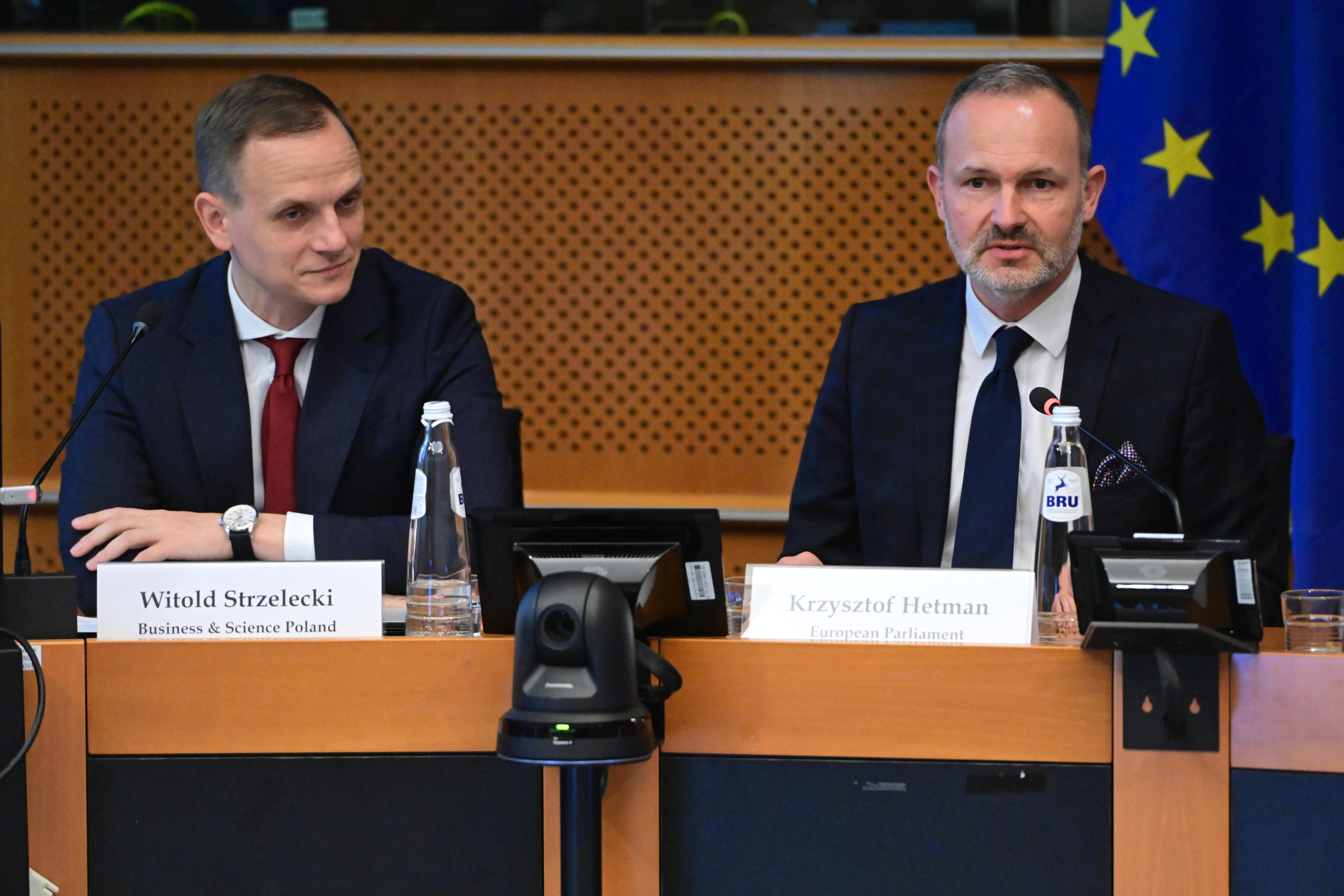
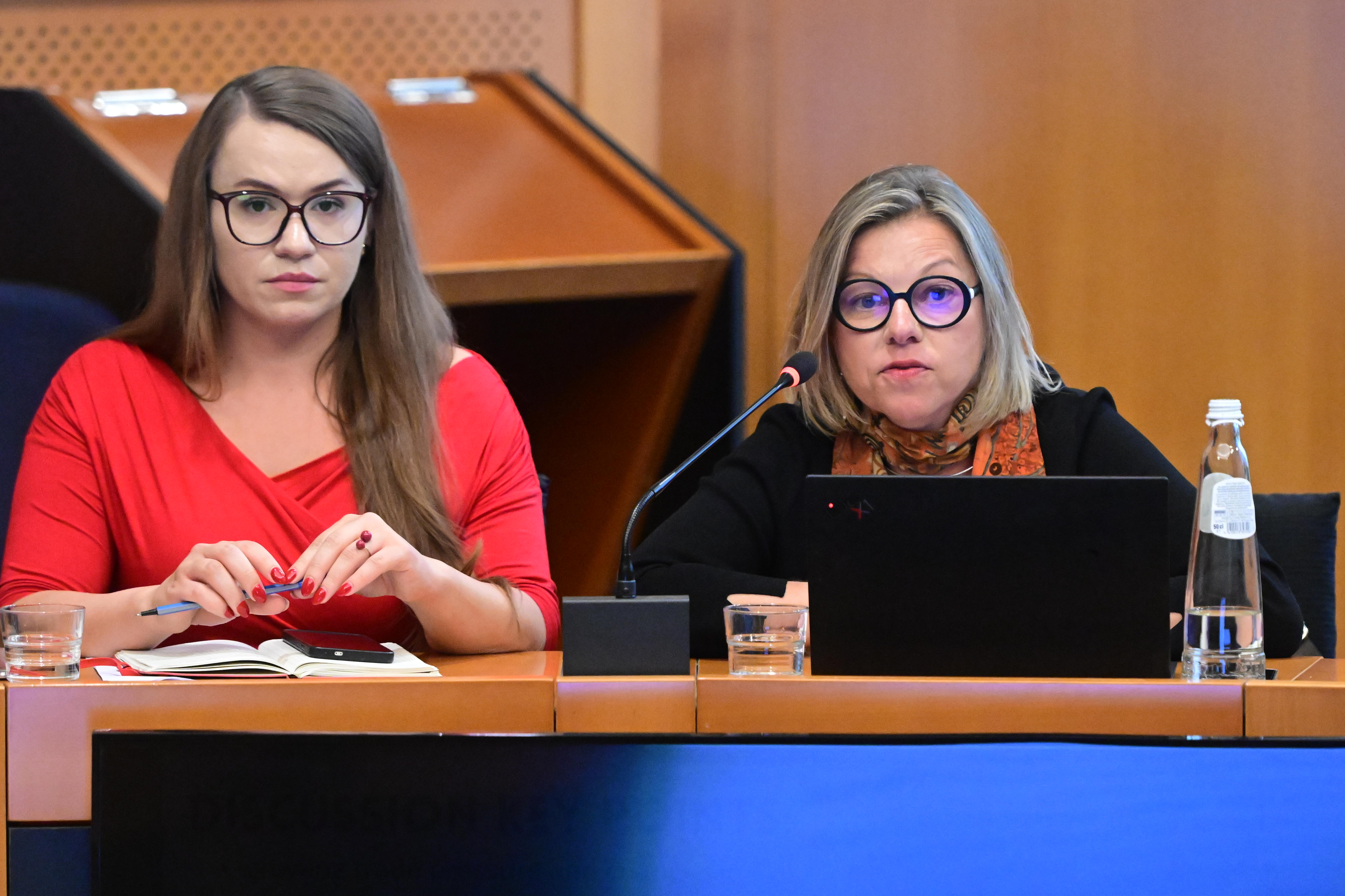
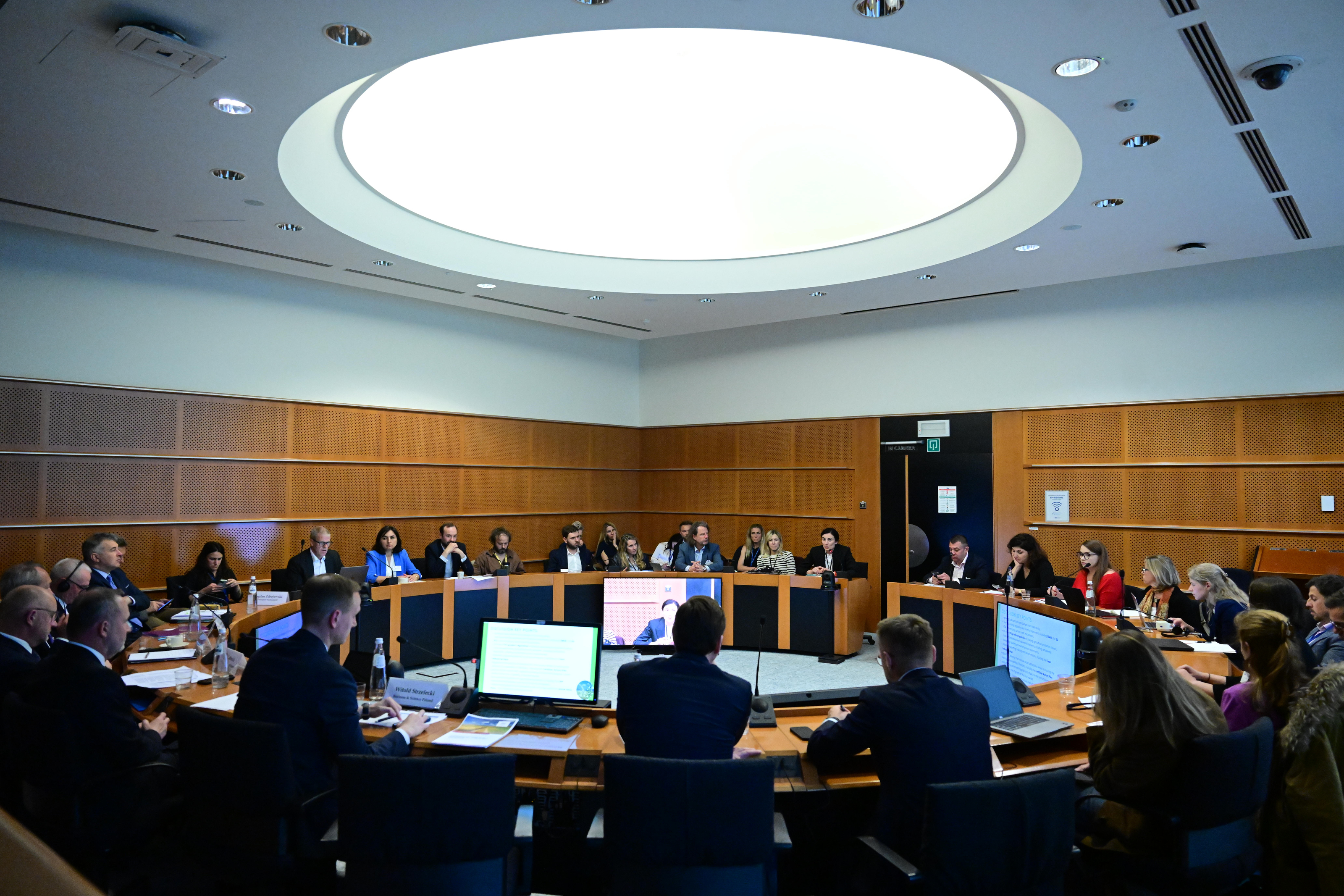
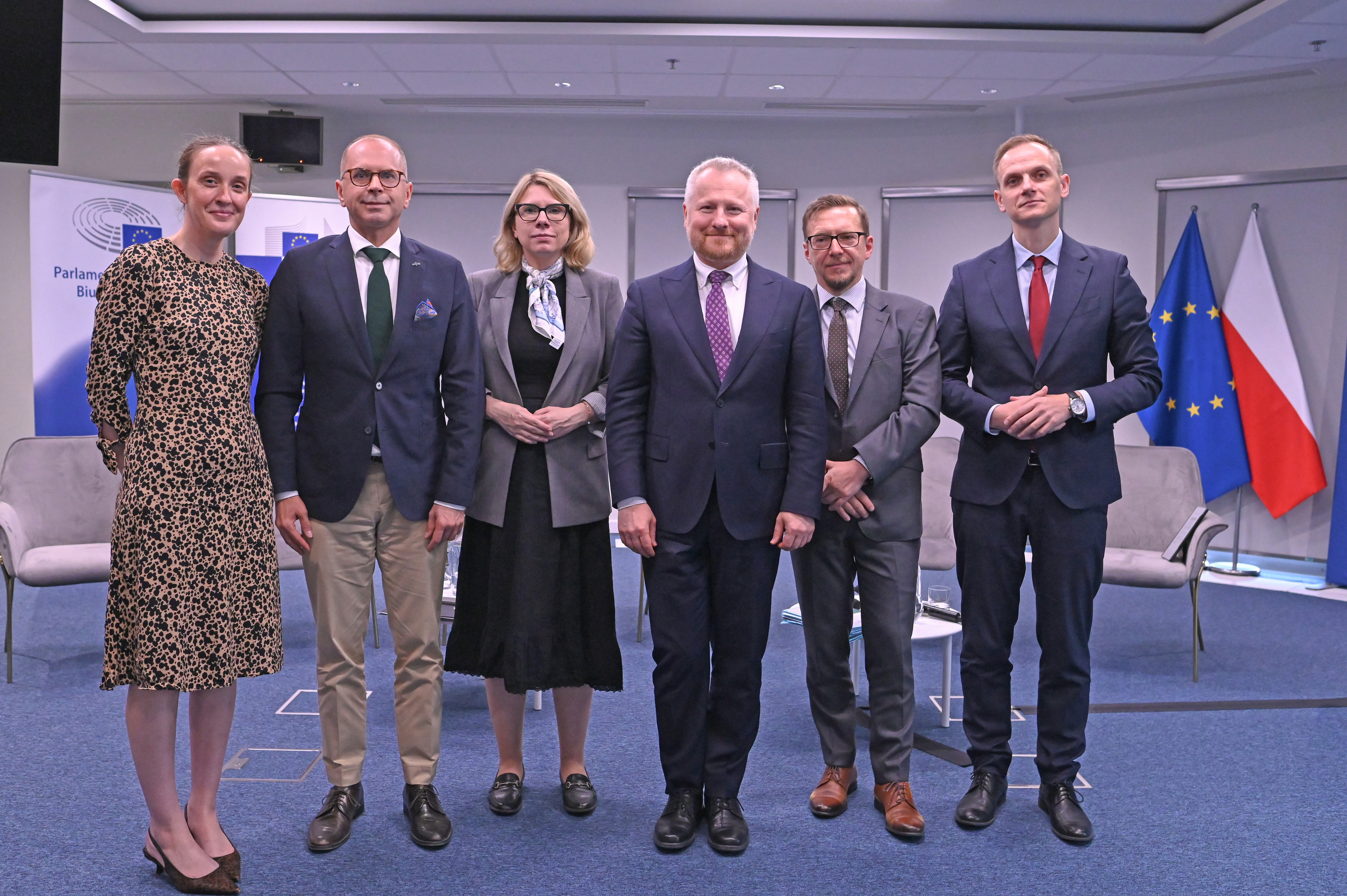
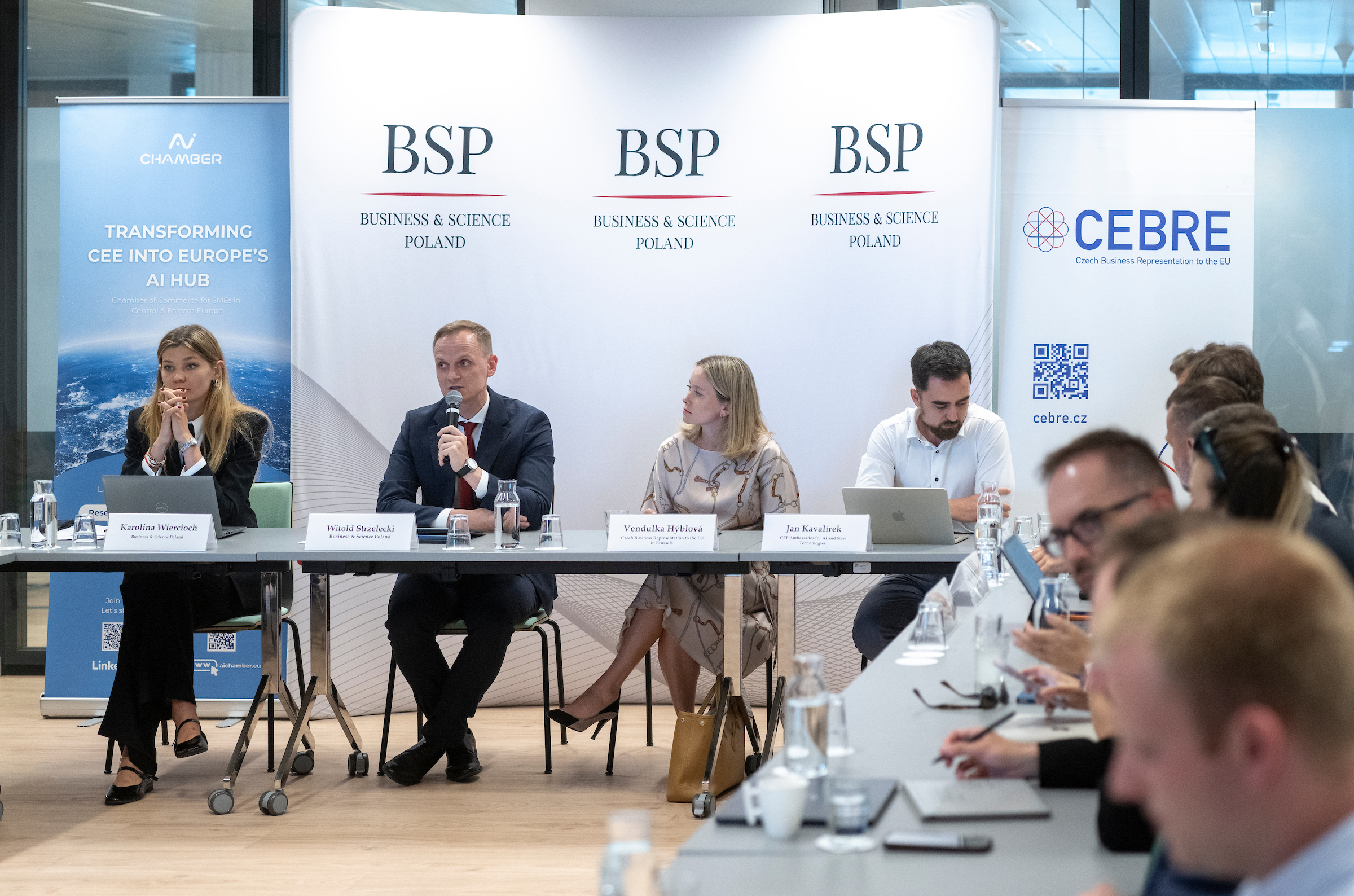
On 9 June 2026, Member of the European Parliament Krzysztof Hetman, in cooperation with Business & Science Poland, hosted the roundtable discussion “Europe’s Agri-Food Value Chain: Navigating Trade Pressure and Industrial Transition” at the European Parliament in Brussels.
The event brought together representatives of the European Parliament, the European Commission, Member States, regional authorities, industry associations, and companies from Poland and across Central and Eastern Europe. Discussions focused on the competitiveness, resilience, and sustainability of Europe’s agri-food sector in an increasingly challenging global environment.
Participants agreed that achieving climate and environmental objectives must go hand in hand with maintaining the competitiveness of European producers. They emphasized the need for predictable regulation, reduced administrative burdens, and a policy framework that encourages investment and innovation.
Food security emerged as one of the key themes of the debate and was identified as a strategic pillar of Europe’s resilience. Participants highlighted the importance of securing access to critical agricultural inputs, particularly fertilizers, and stressed the role of a competitive European fertilizer industry in ensuring stable food production. Recent European Commission initiatives aimed at strengthening supply security and reducing external dependencies were broadly welcomed.
The future of the Common Agricultural Policy (CAP) was also discussed. Speakers underlined the need for stronger responses to challenges such as climate change, water scarcity, rural development, and generational renewal in agriculture.
Participants further stressed the importance of ensuring a level playing field in international trade, while increasing support for research, innovation, digitalisation, and new technologies that will be essential for the sector’s ongoing transformation.
A common conclusion of the discussion was that close cooperation between EU institutions, Member States, industry, and farmers remains indispensable. Only through continued dialogue and partnership can Europe successfully balance competitiveness, food security, and sustainability in the years ahead.