
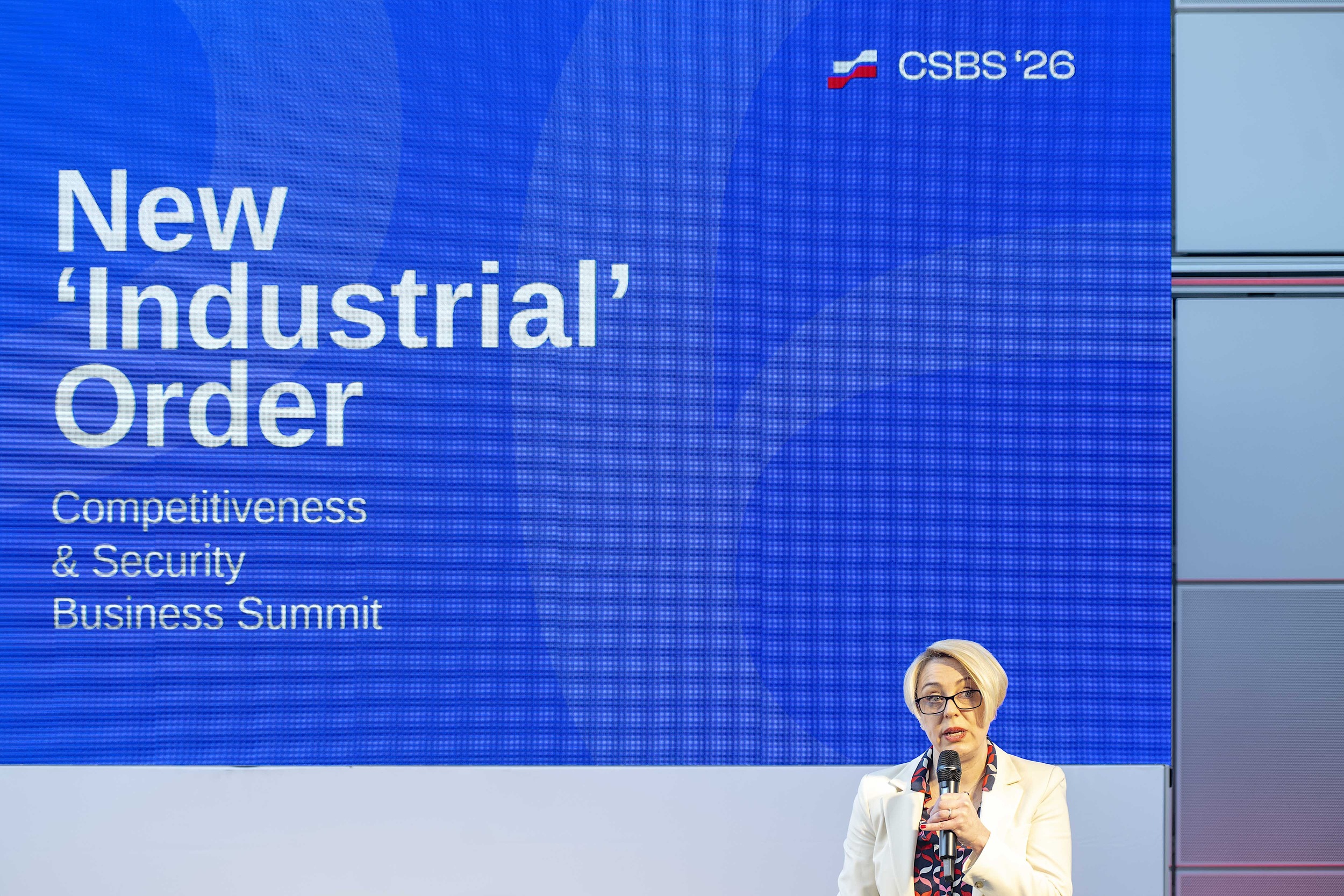
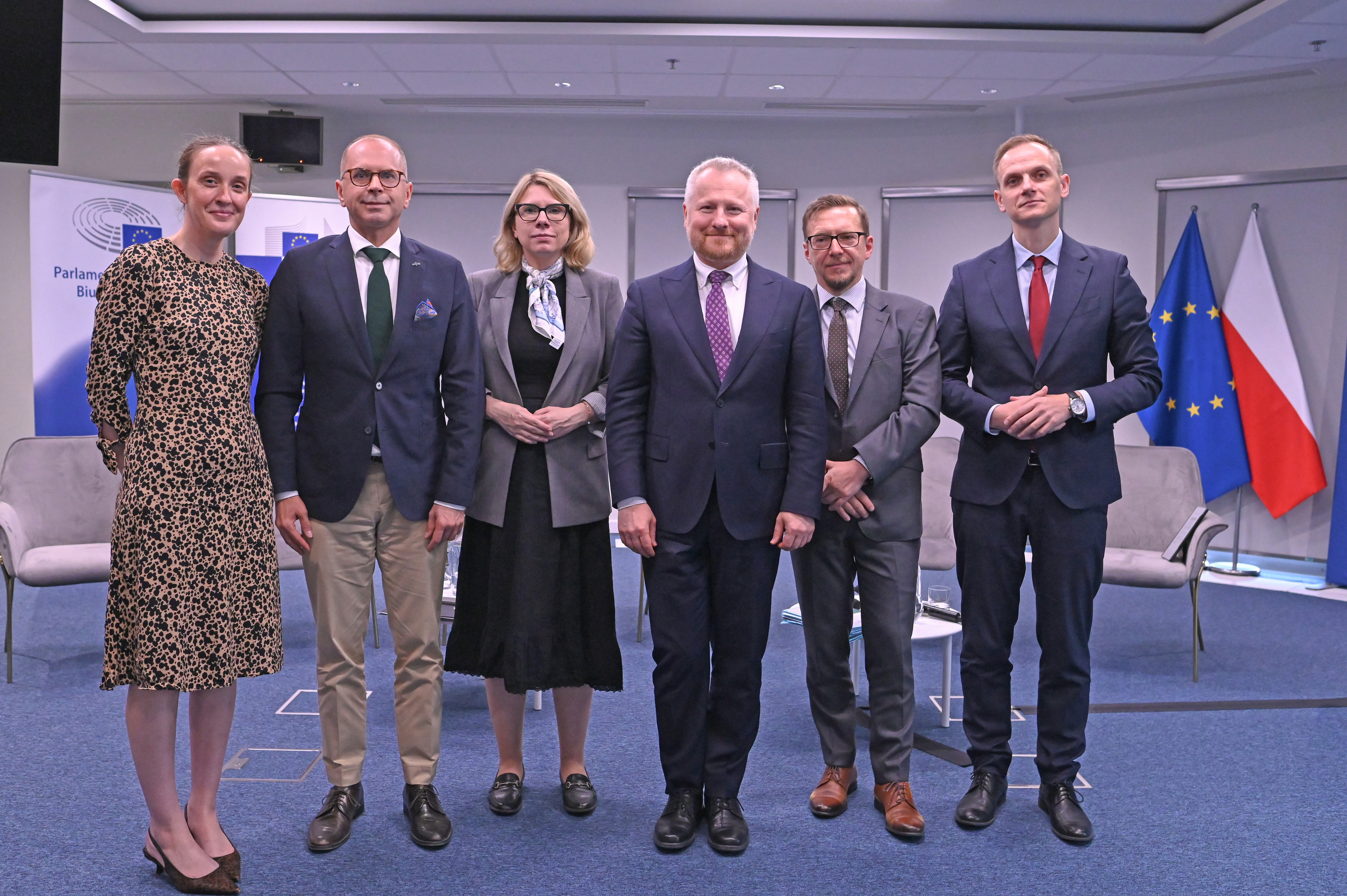
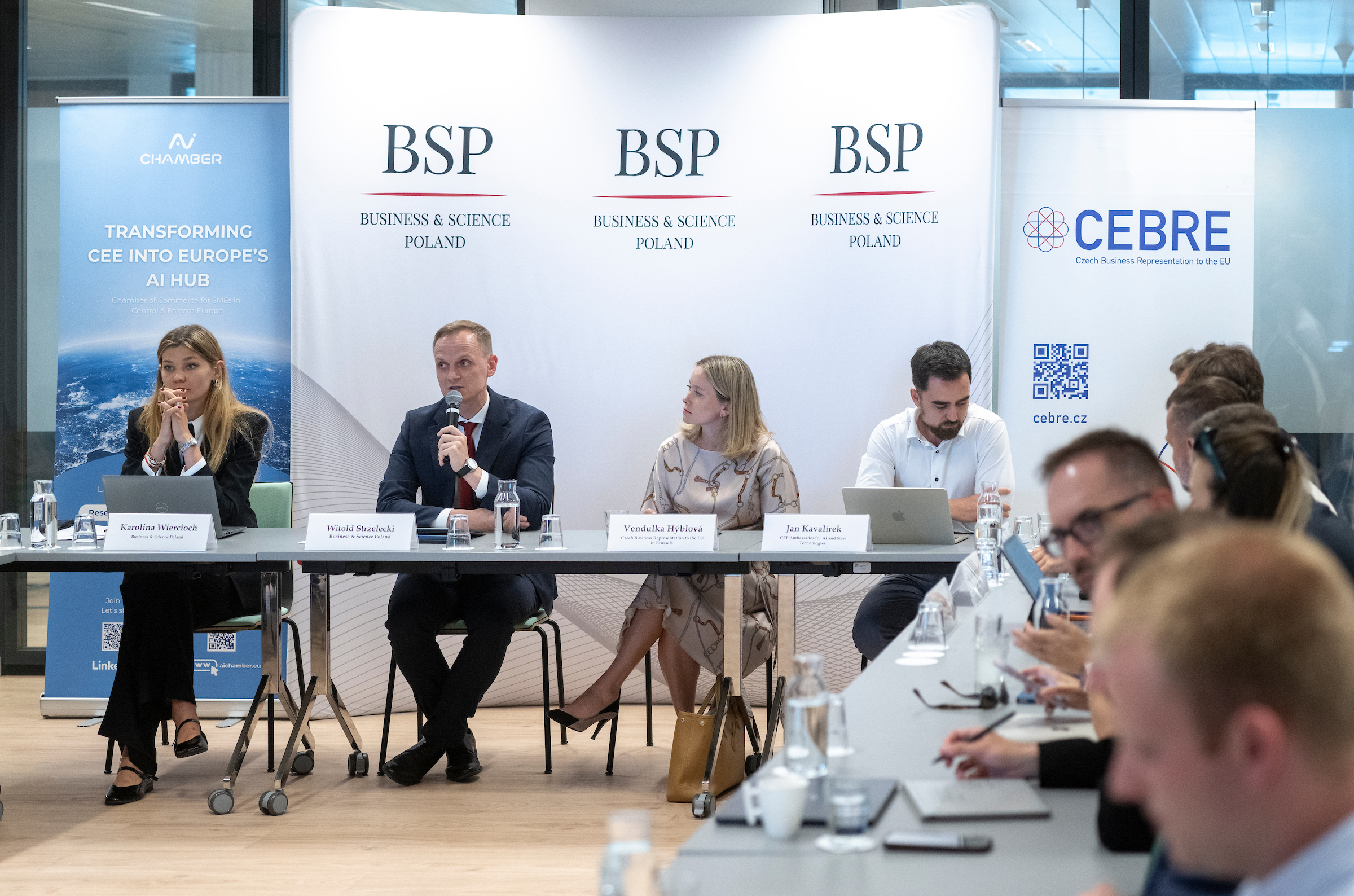
On 18 March, one day ahead of the first European Council summit of 2026 - during which EU heads of state and government gathered to discuss the EU’s most pressing challenges - Business & Science Poland organised in Brussels the second edition of its flagship event, the Competitiveness & Security Business Summit.
This year’s theme “New Industrial Order” is a call for Europe’s renewal through innovation, ideas, and industrial transformation in a rapidly changing world. Throughout the full-day event, representatives of the Polish government, EU institutions, CEE region, and business discussed how to address current challenges, unlock the potential of Polish, regional, and European companies, and turn strategies into tangible actions.
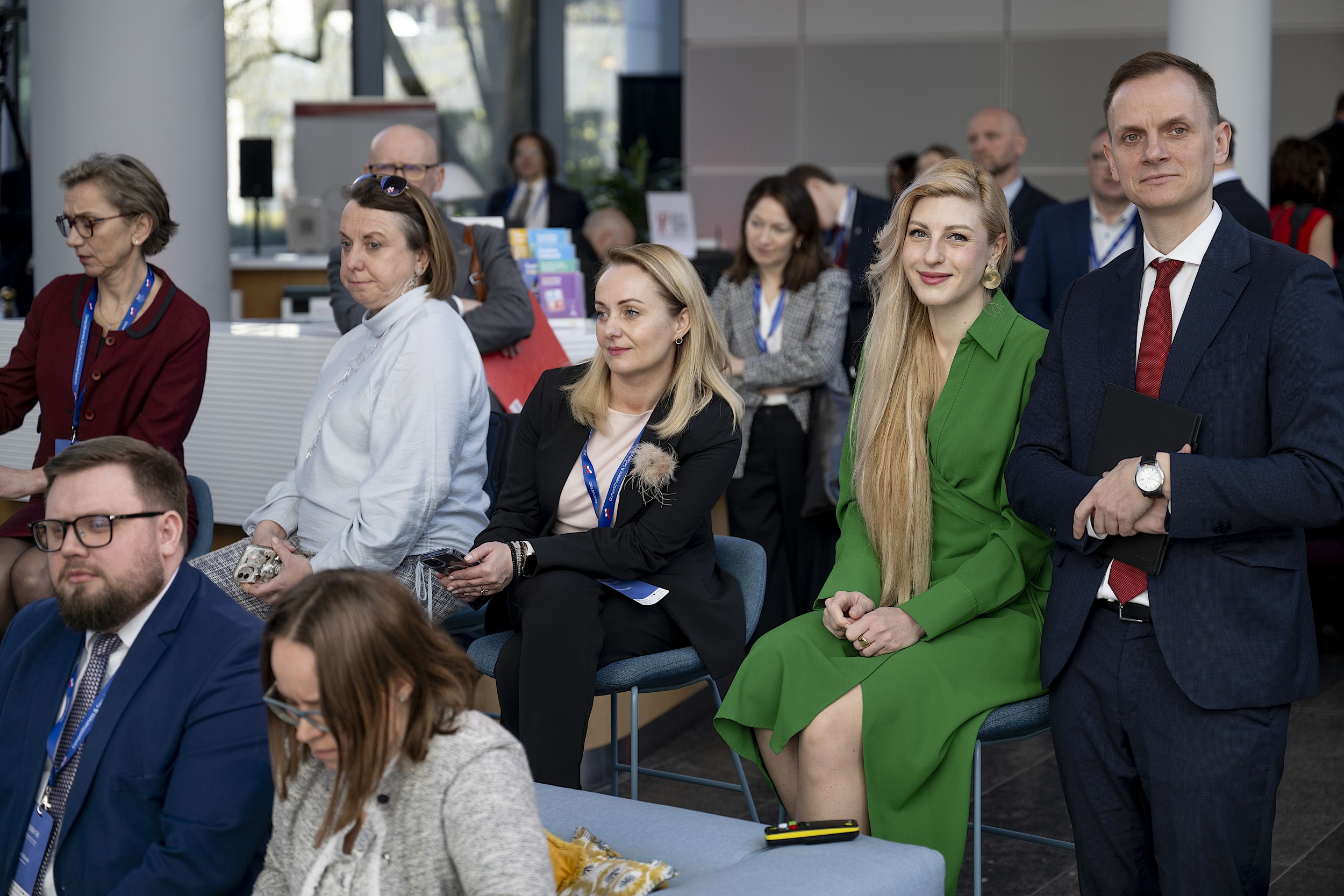
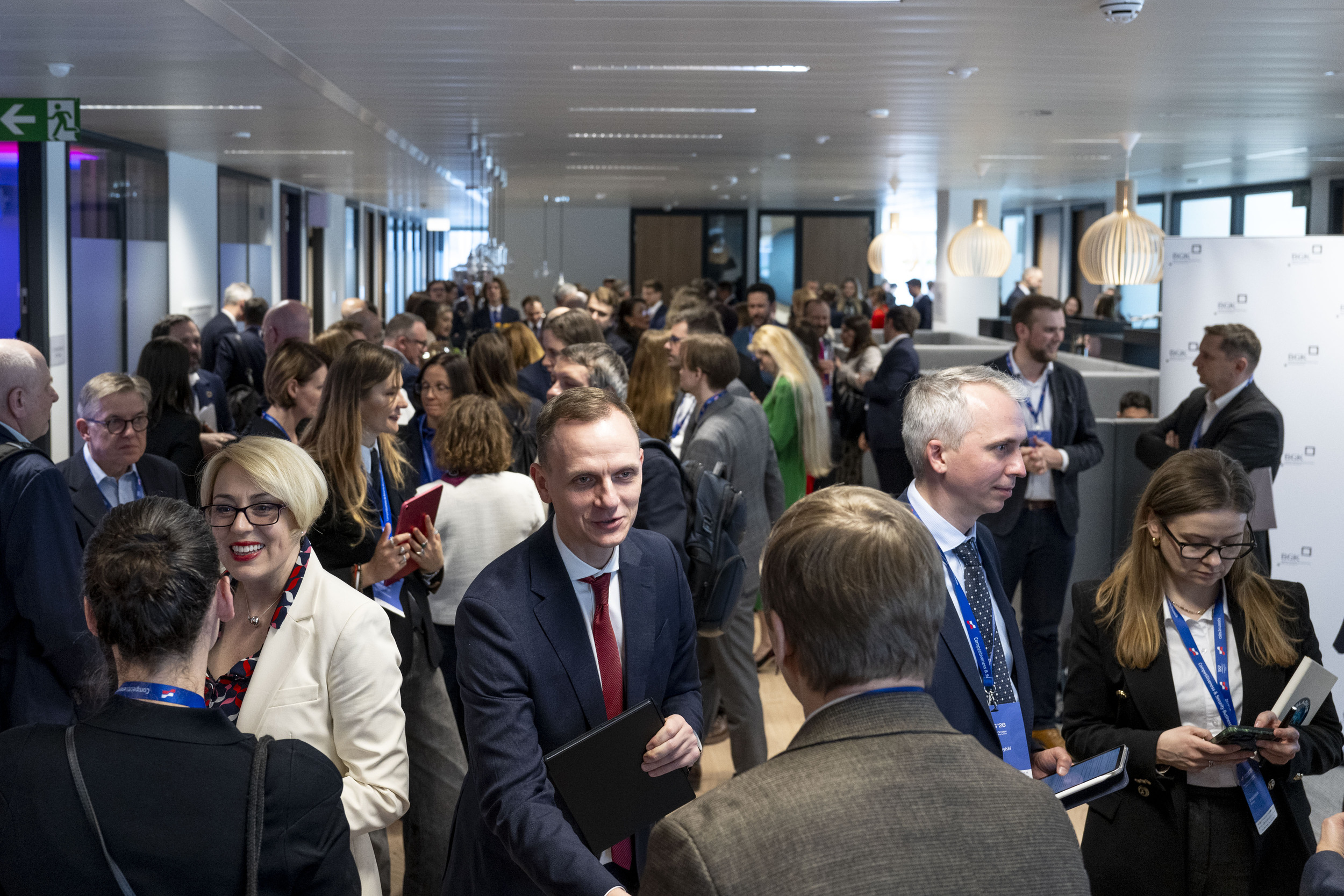
Over 300 participants attended the Summit, gaining a unique opportunity to hear from more than 40 high-level experts sharing their views on topics ranging from decarbonisation and competitiveness, through financing and security, to innovation and start-ups.
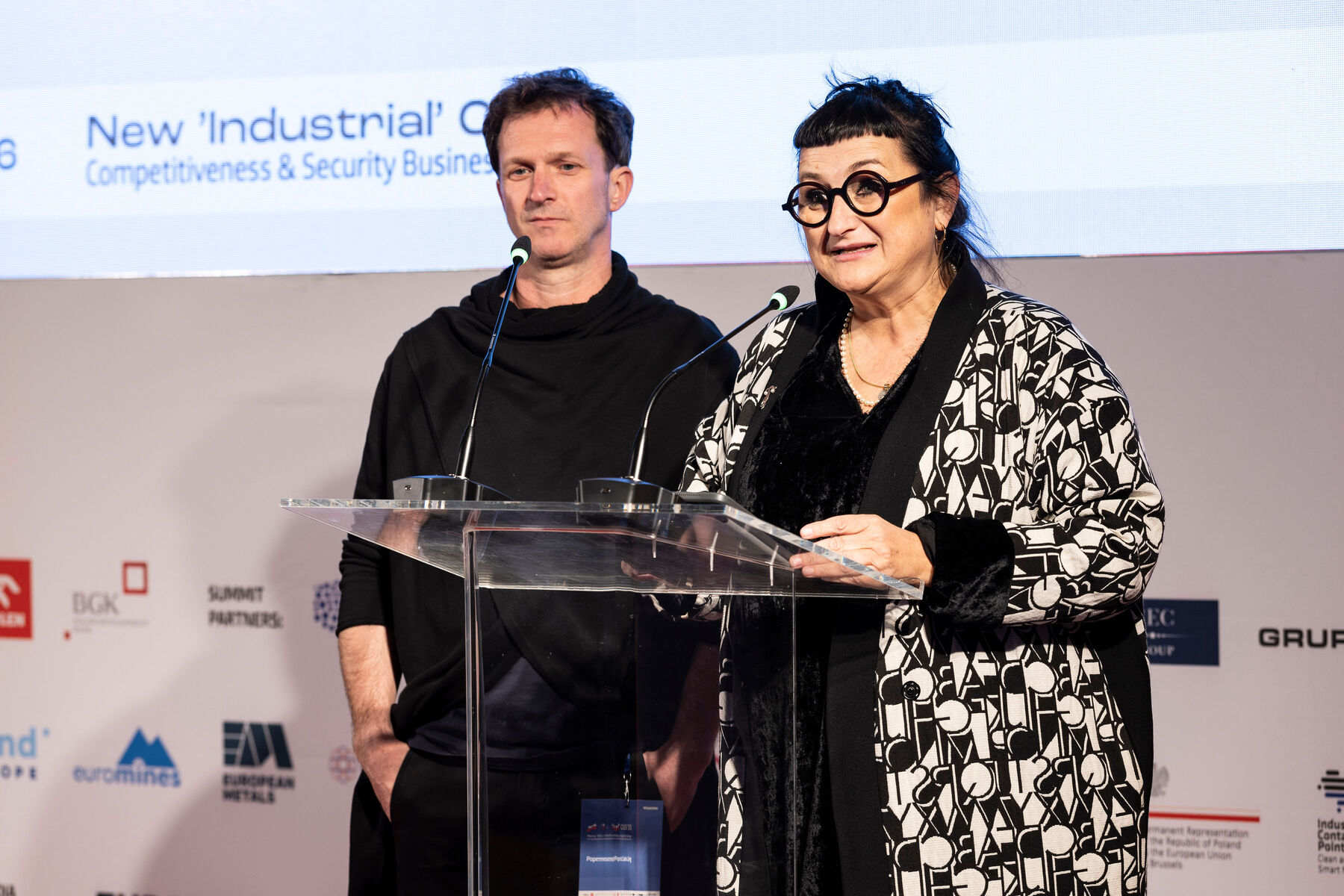
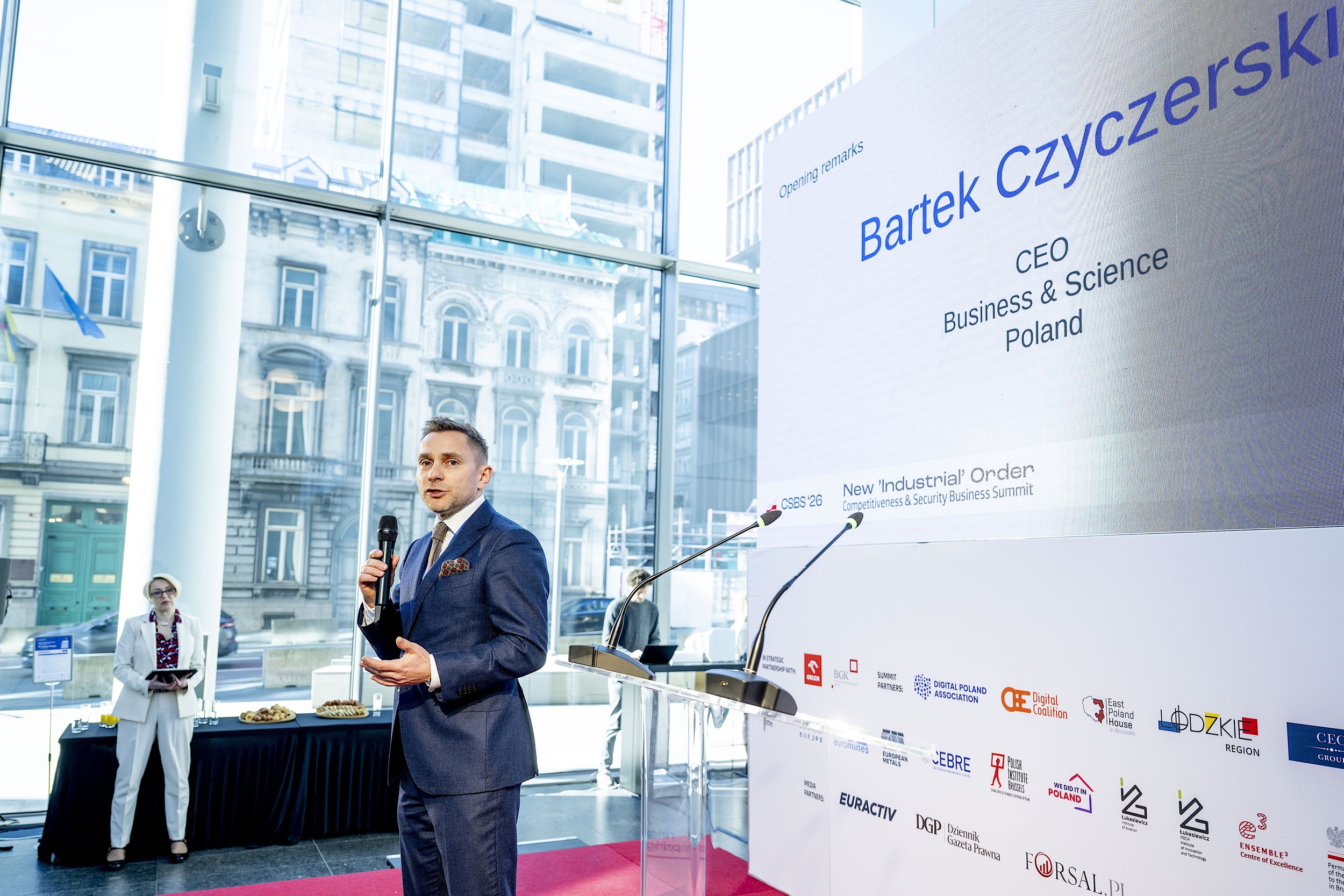
“The concept of a “New Industrial Order,” under which the Summit is organised, captures the transformation the European Union is undergoing in a time of uncertainty. To address these challenges, we must think outside the box and stretch our imagination to shape our future”, said Bartek Czyczerski, President of Business & Science Poland.
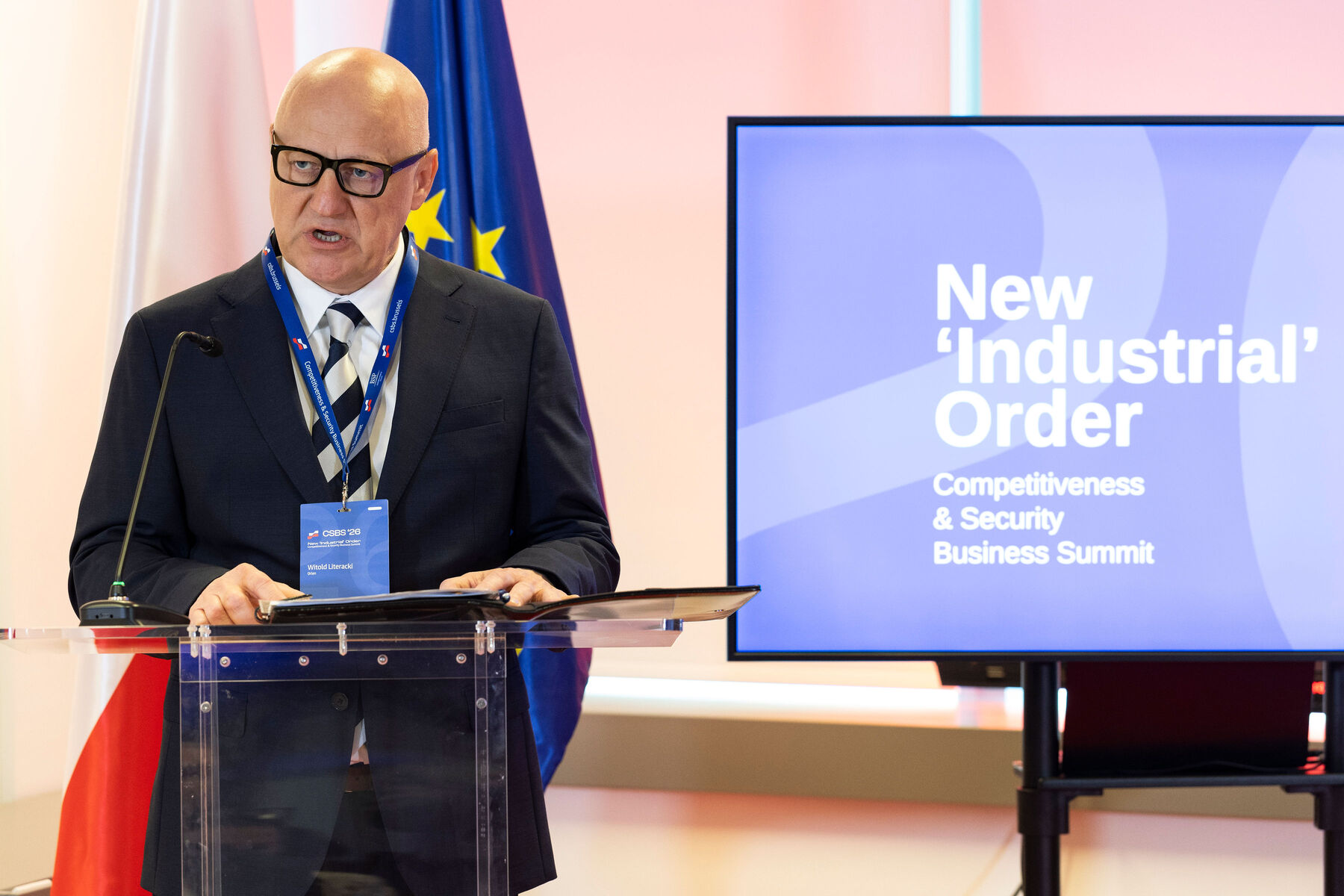
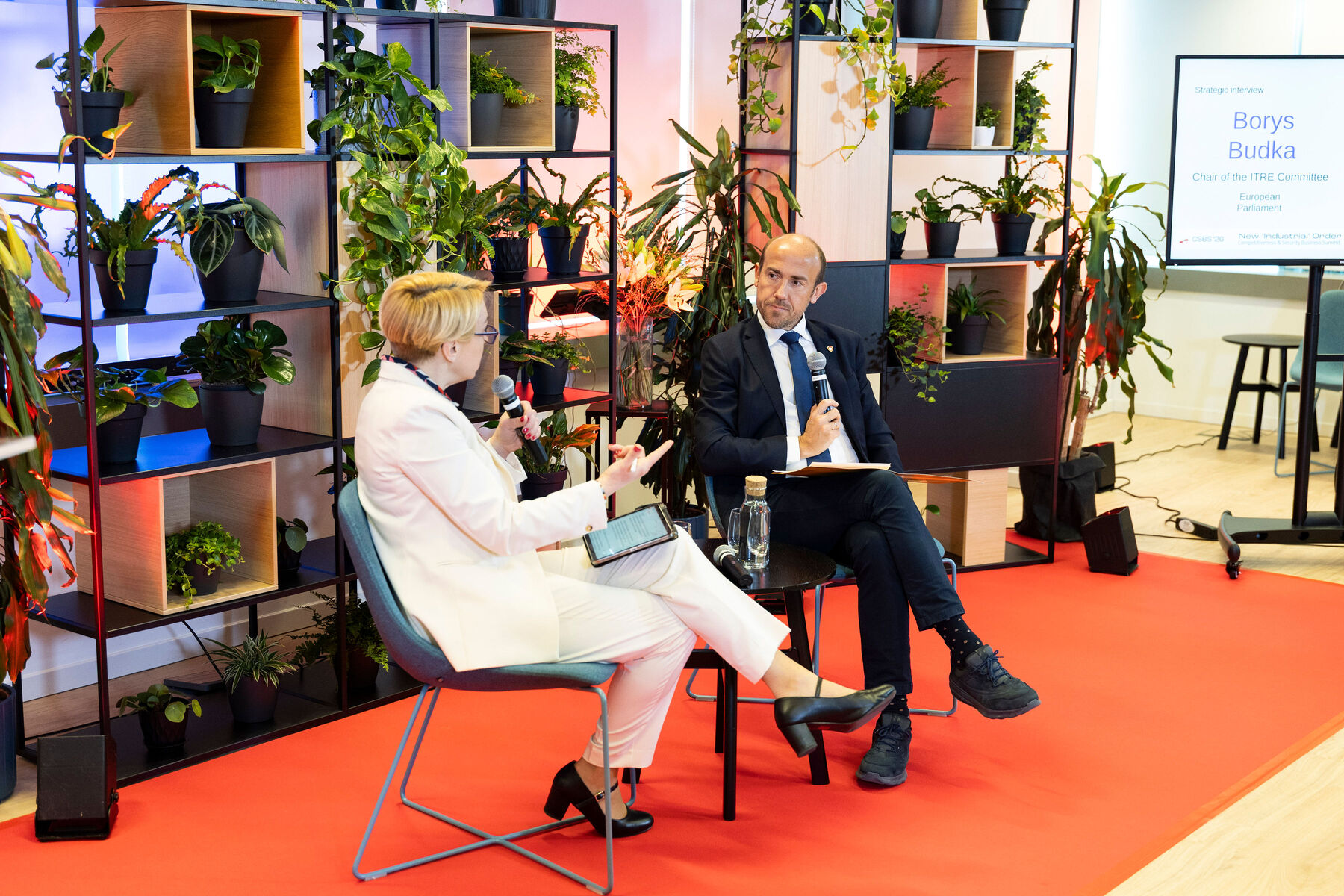
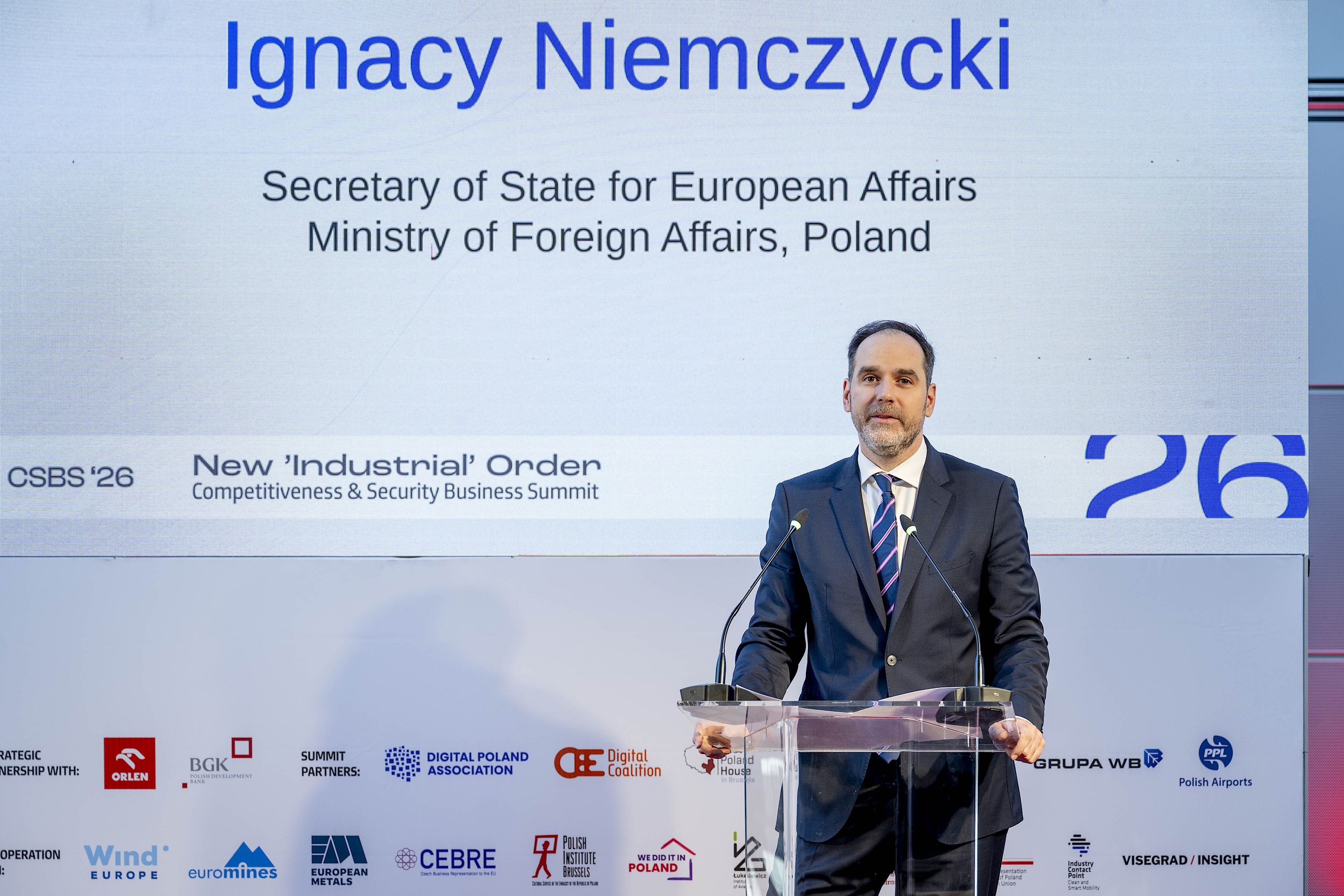
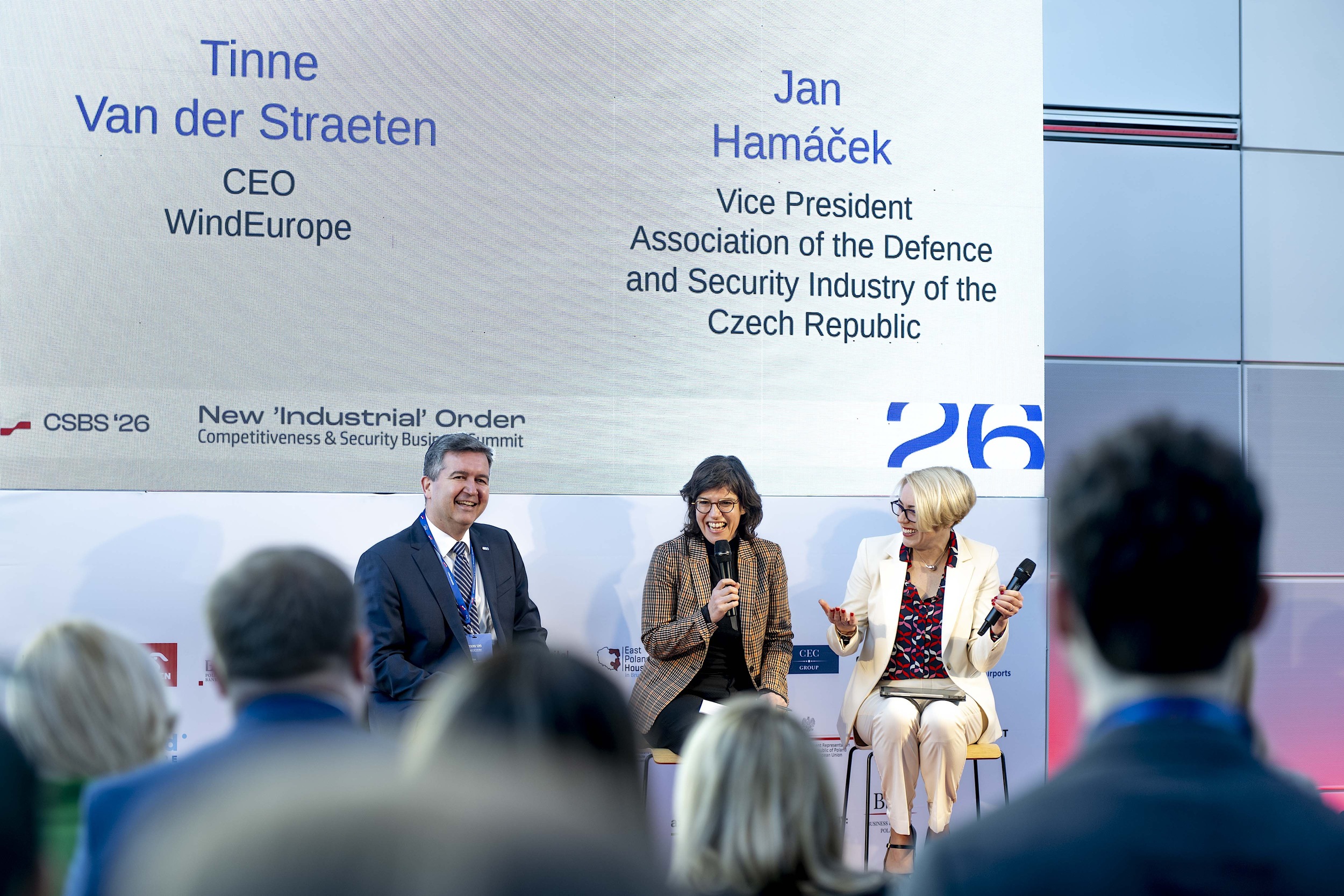
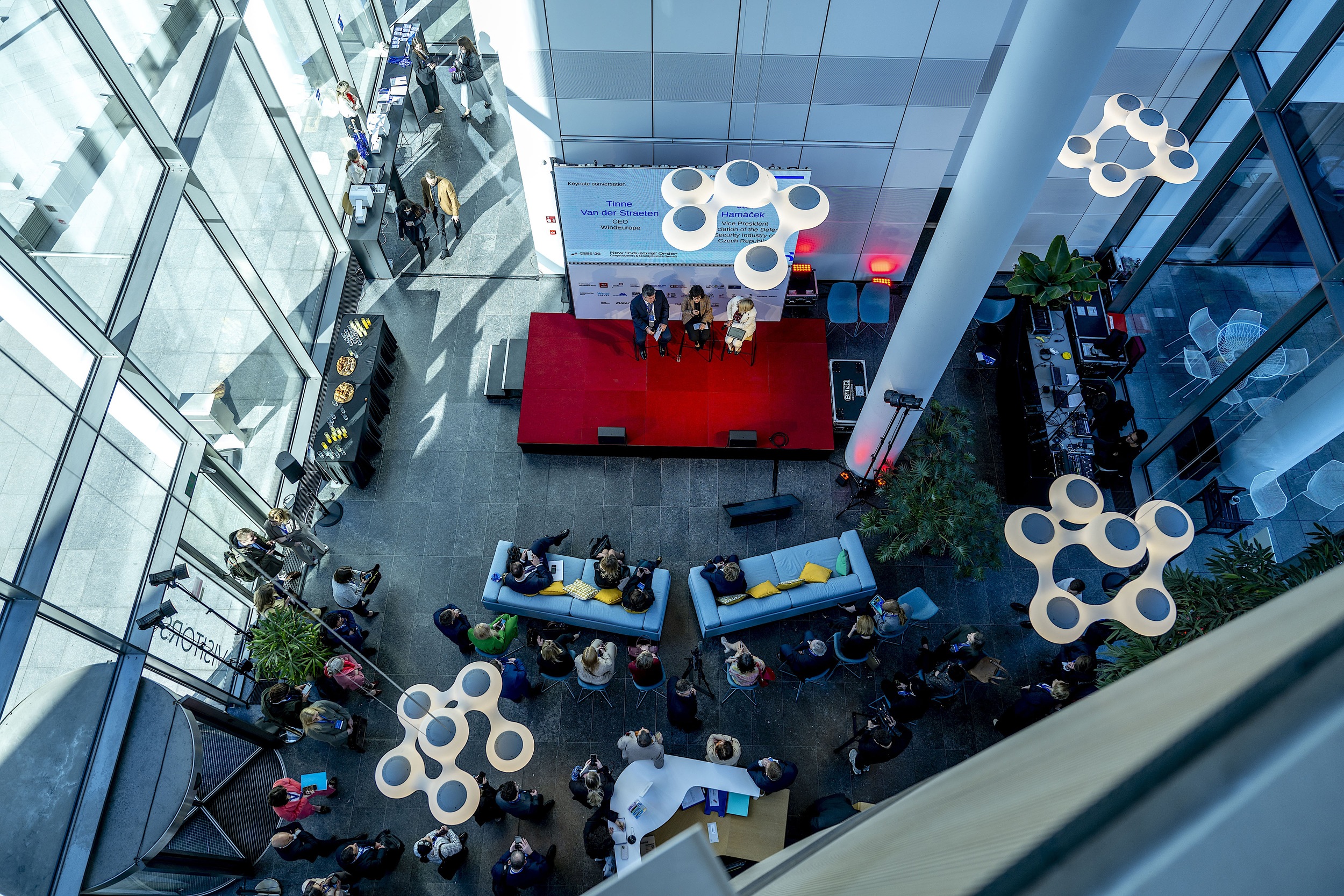
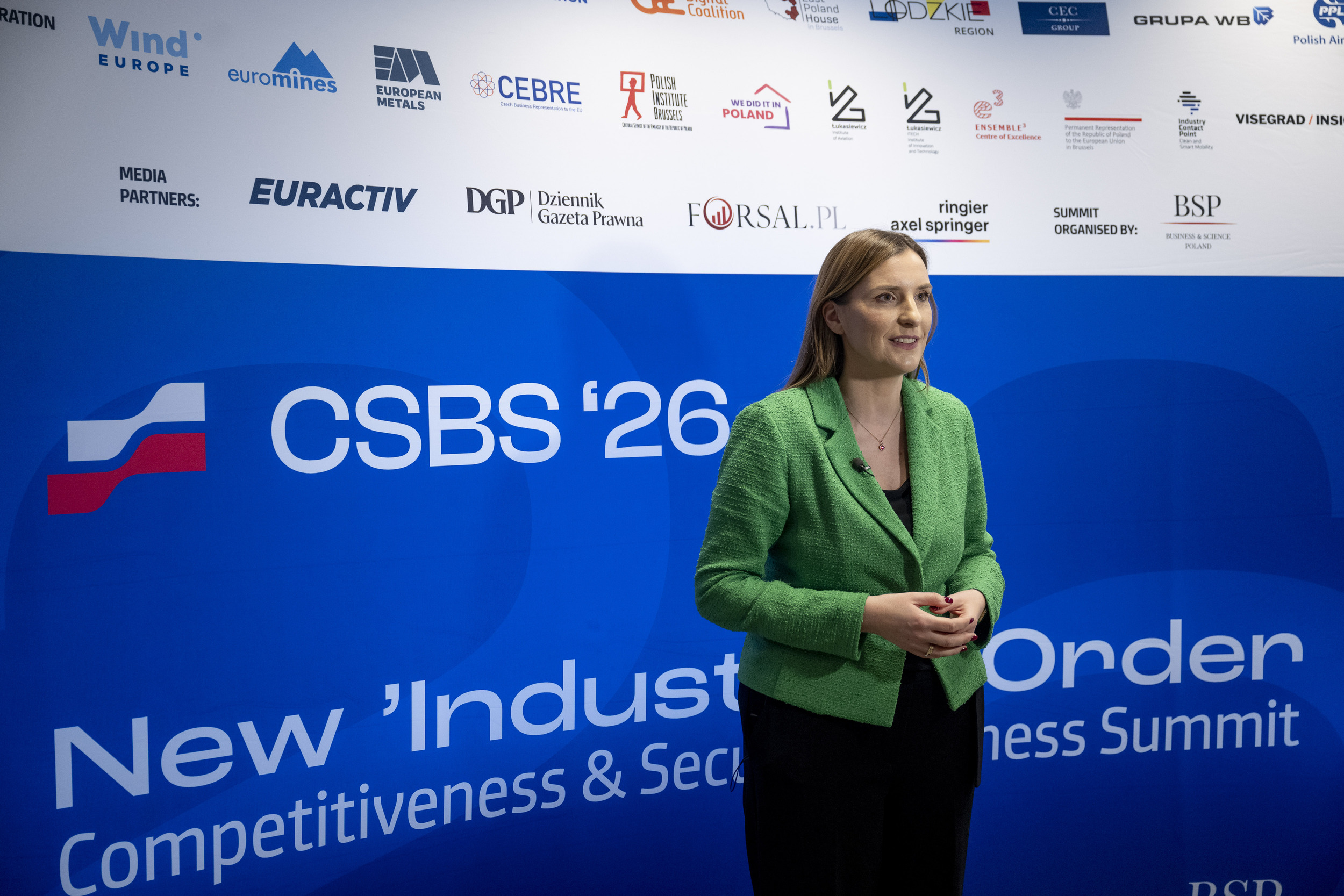
The Summit opened with a keynote address by Ignacy Niemczycki, Secretary of State for European Affairs at the Ministry of Foreign Affairs of Poland, followed by a high-level interview with Tinne Van der Straeten, CEO of WindEurope, and Jan Hamáček, Vice President, Association of the Defence and Security Industry of the Czech Republic (AOBP)
“Our economic and security situation looks very different from what it did just a few years ago. The EU now faces both long-standing and entirely new challenges. In this context, security and competitiveness are more closely linked than ever before. Europe’s security increasingly depends on its economic strength”, said Ignacy Niemczycki.
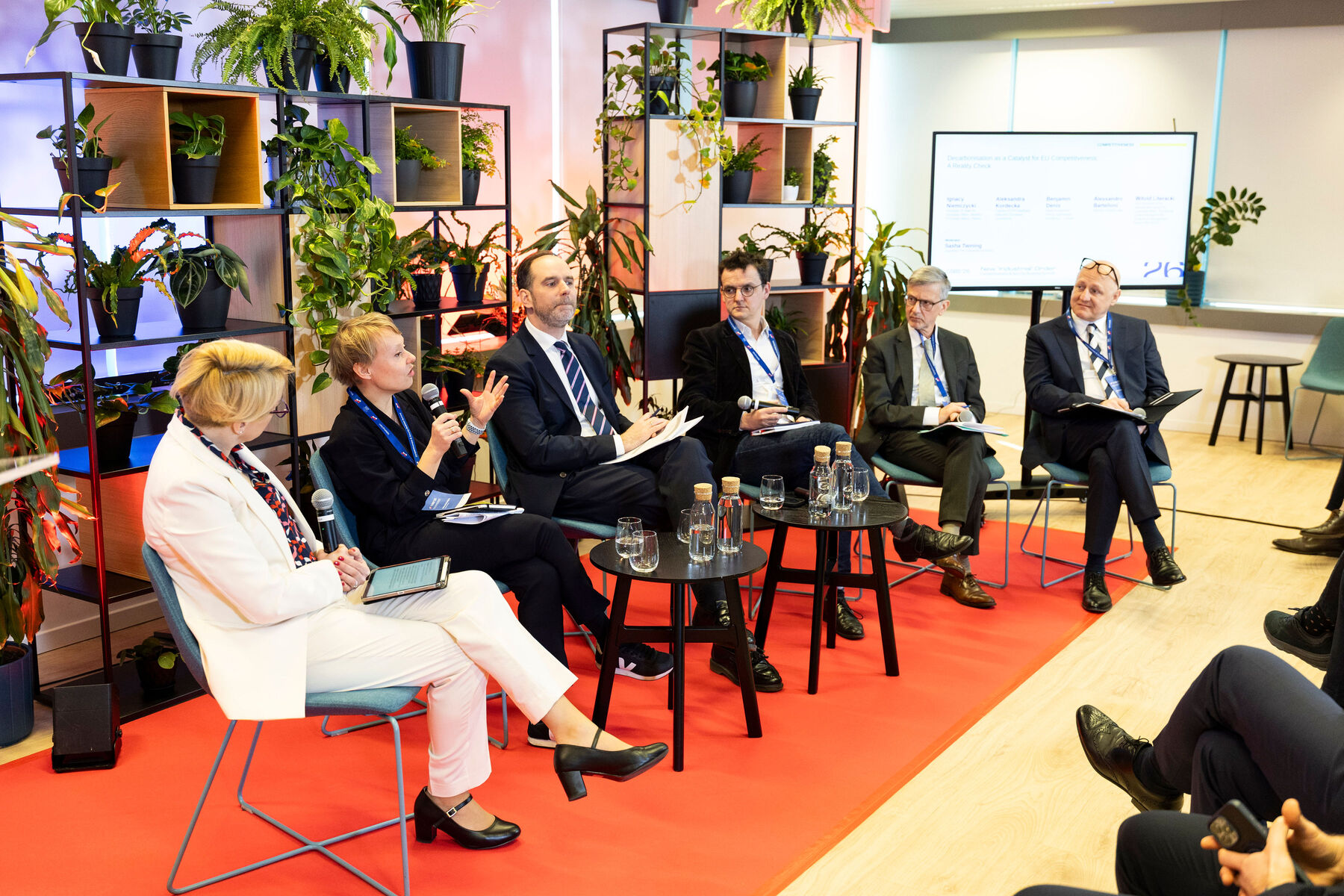
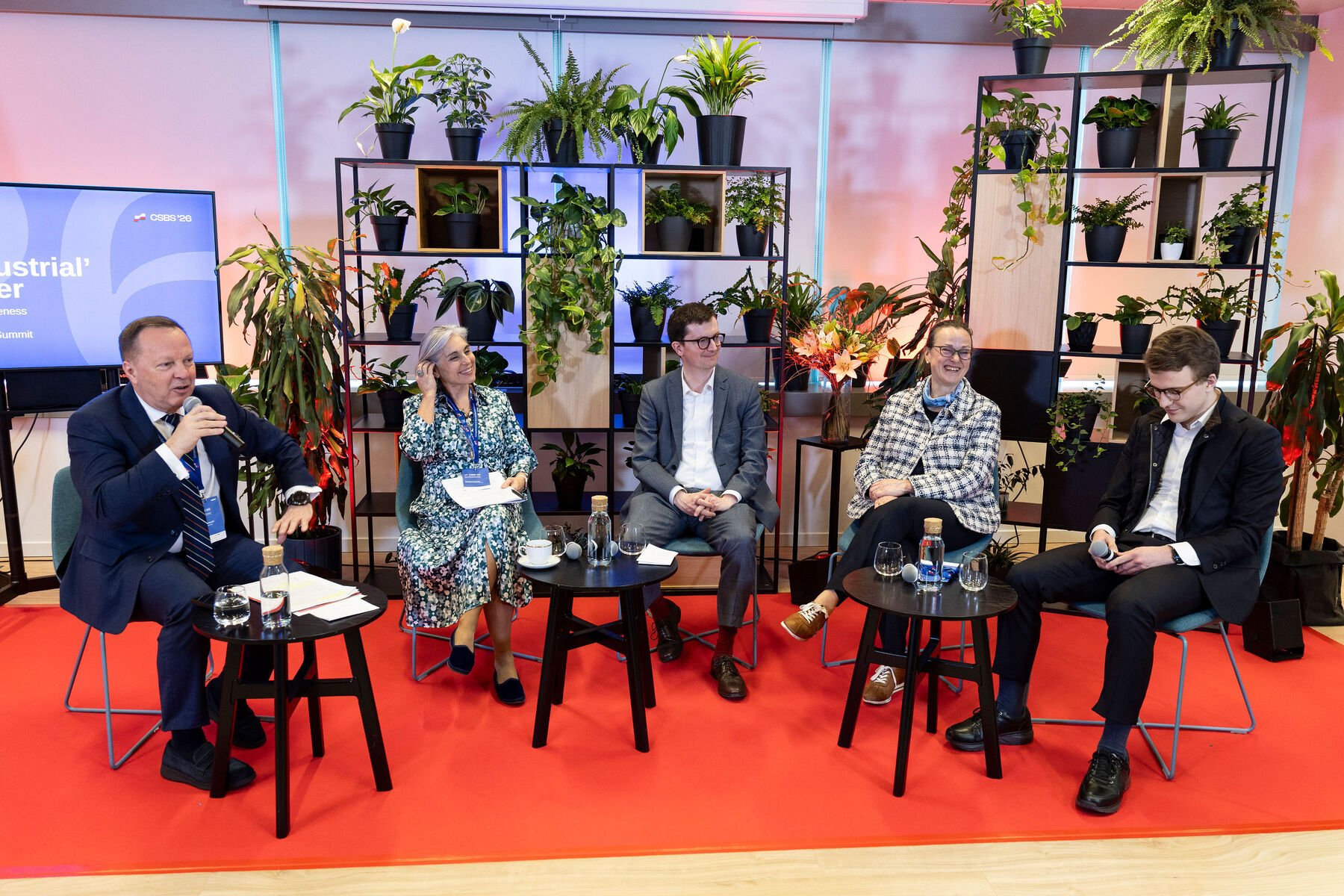
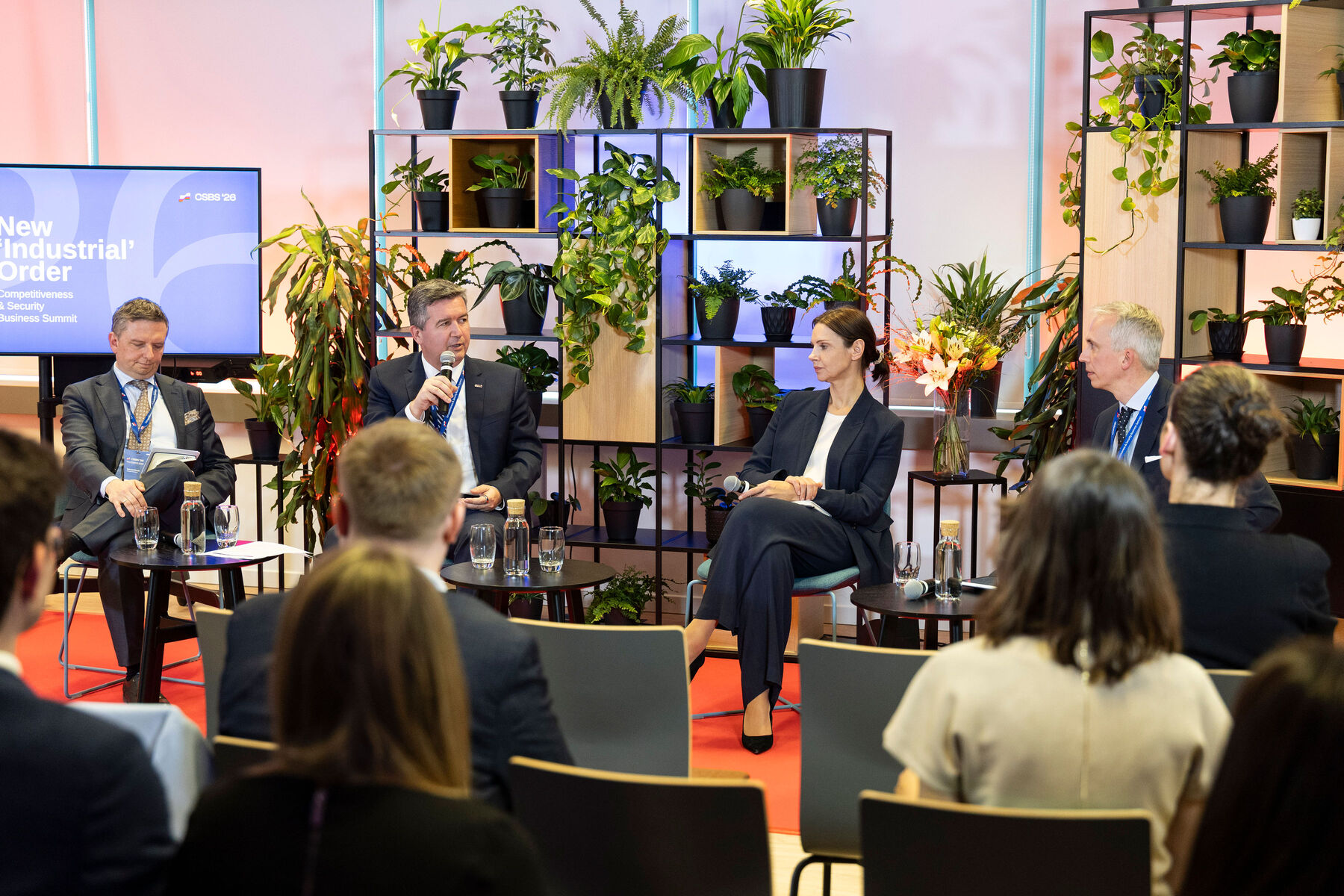
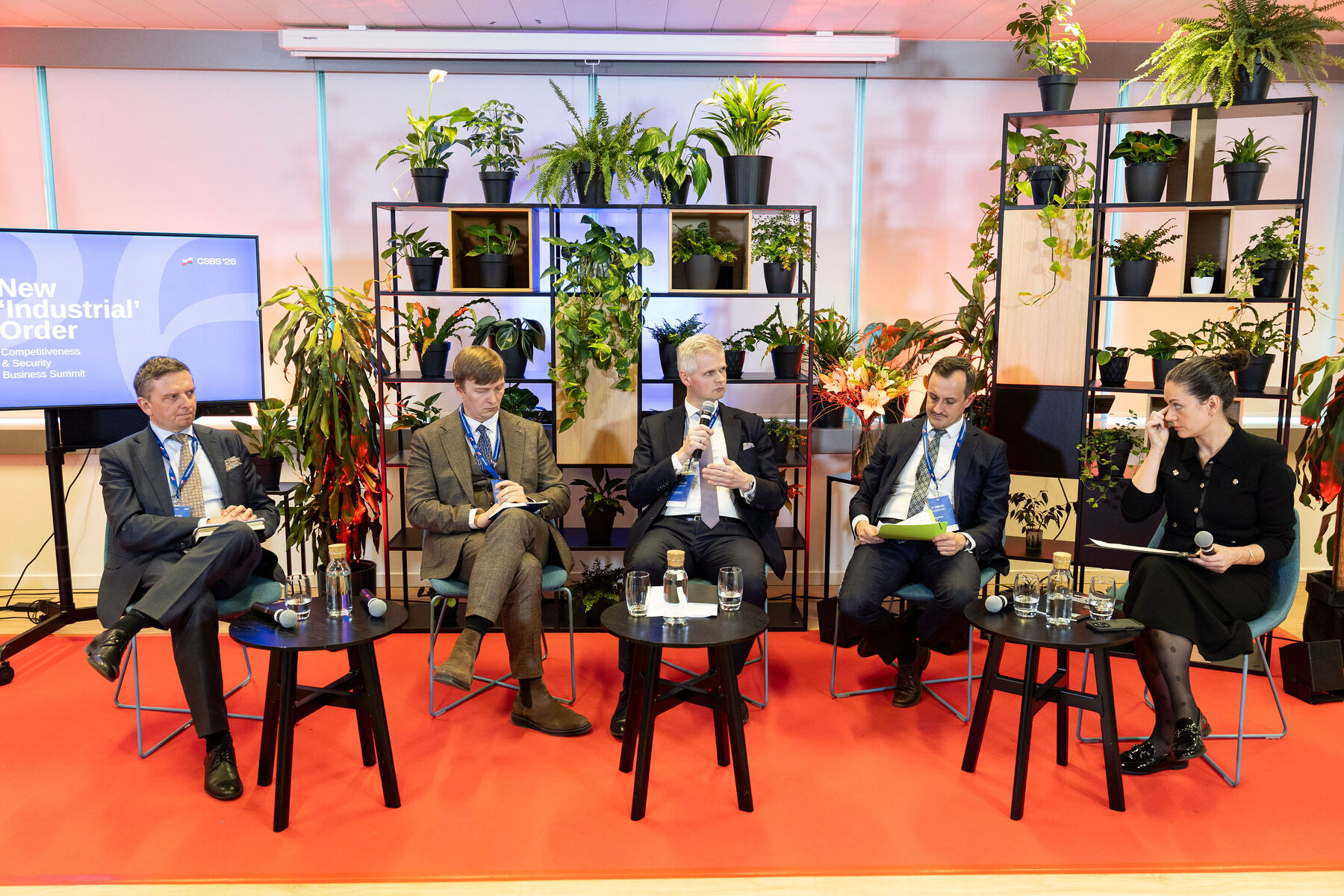
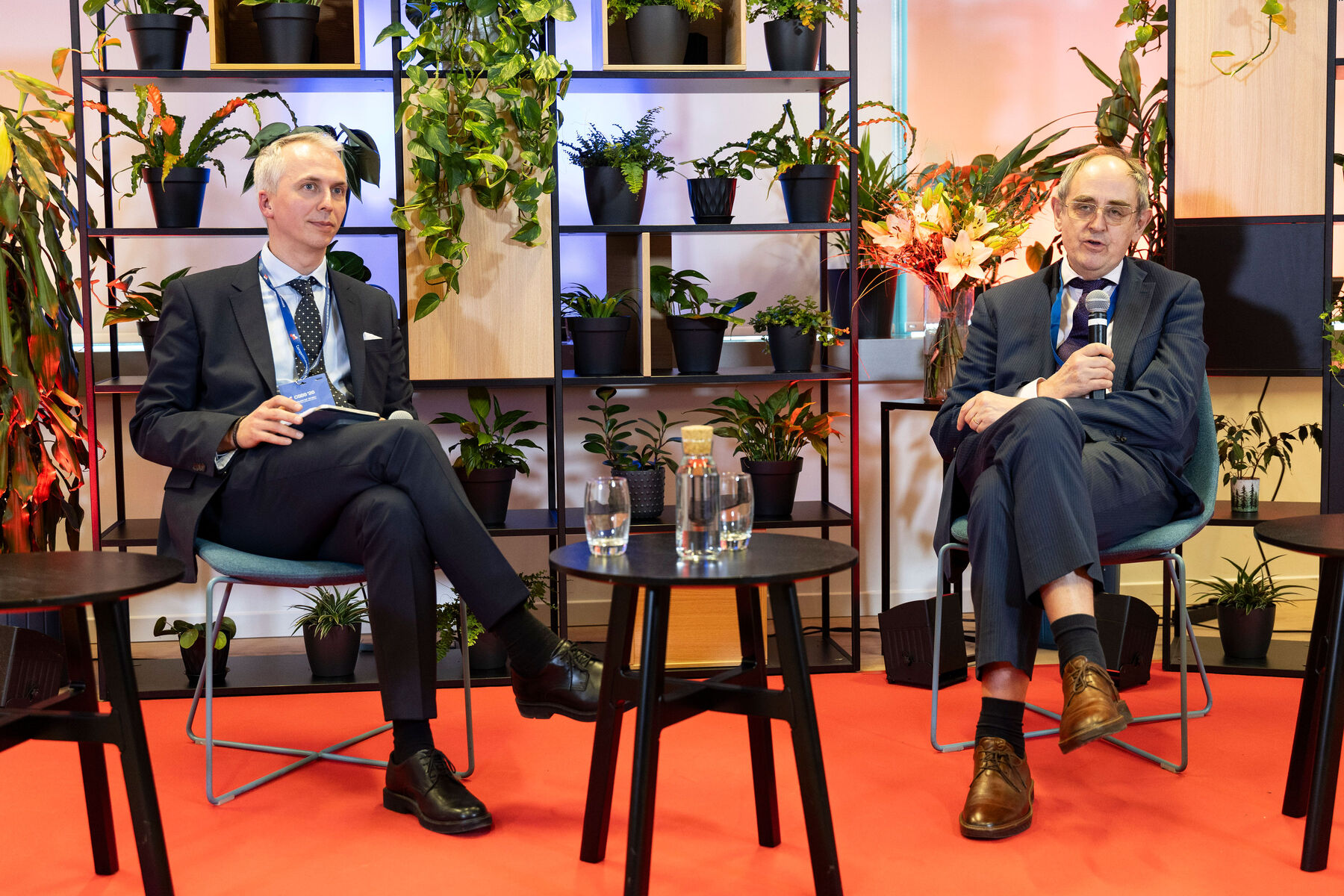
One of the central themes of the Summit was decarbonisation, which must not come at the cost of deindustrialisation and job losses. This message was broadly shared by representatives of the European Commission, the European Parliament, EU Member States, trade unions, and business during the session “Decarbonisation as a Catalyst for EU Competitiveness: A Reality Check”. The discussion focused, among other aspects, on the impact of EU policies on industrial competitiveness, as well as the pace and scalability of low-carbon technologies, including in the context of the proposed Industrial Accelerator Act.
The “Financing Competitiveness” panel brought together a particularly valuable mix of perspectives - from European public finance and national investment institutions to scale-up businesses and AI innovators. The discussion highlighted that Europe’s competitiveness challenge is not simply about the availability of capital, but about how effectively it is mobilised and directed towards growth. A key takeaway was that while Europe has the talent, savings, and innovation potential, it still struggles to translate these into scaled businesses and global technology leaders. Better alignment between public instruments, national development finance, and private investment is therefore essential.
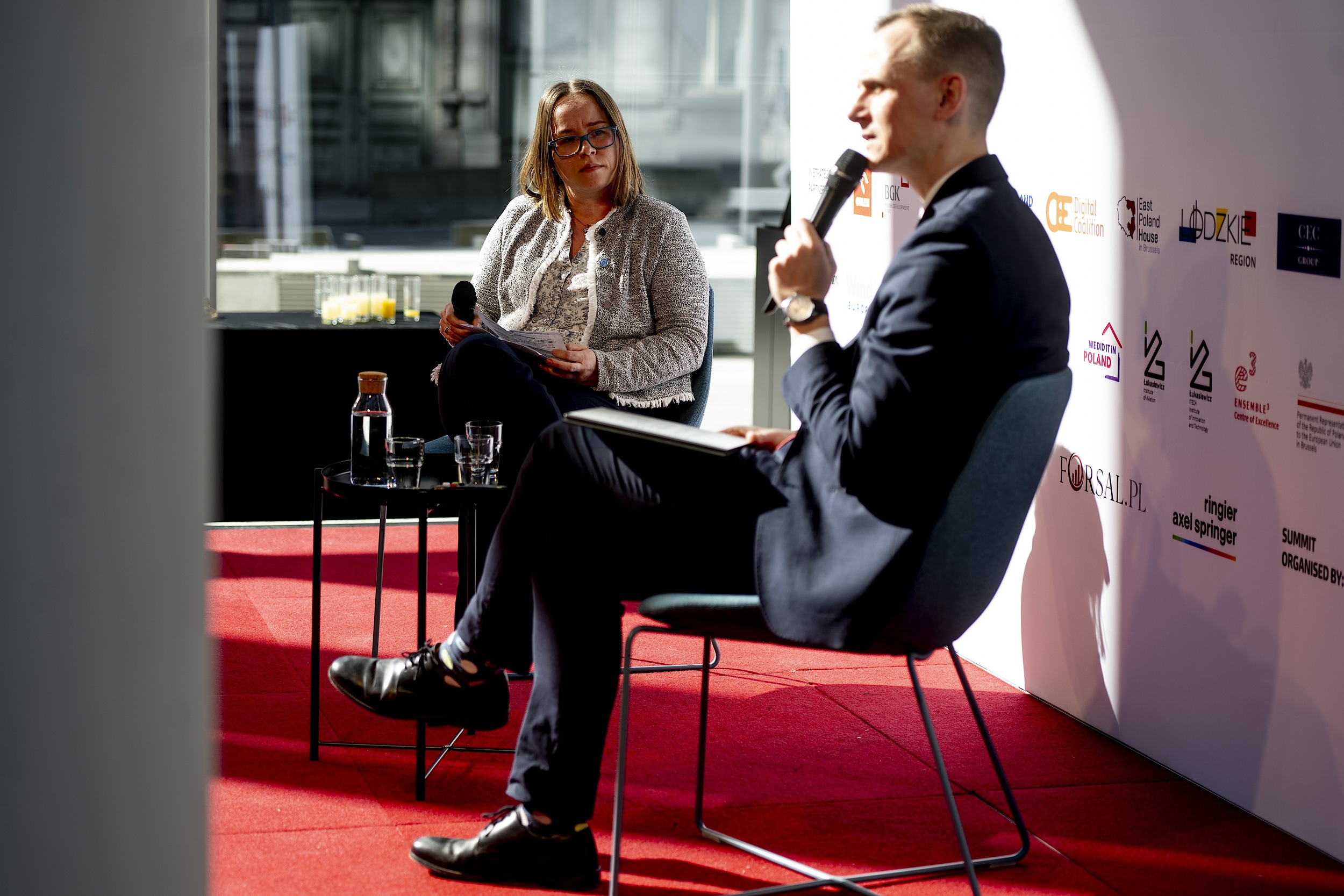
Security was the third major theme of the event. Focusing on how Europe can strengthen its defence and industrial capabilities more quickly and effectively, the “Capability Clash” panel brought together leading voices in defence. Co-organised with Łukasiewicz – ITECH Institute of Innovation and Technology, the discussion addressed the need for deeper integration in security and defence, lessons learned from Ukraine, and the importance of building a comprehensive, multi-domain defence approach across land, sea, air, and space. A clear message emerging from the discussion was that there is no single “silver drone” solution to Europe’s current security challenges. A second panel during the Security session focused on the SAFE instrument, offering a valuable exchange between policymakers and the defence industry. The discussion provided insights into lessons learned, next steps to enhance existing tools, and the practical delivery challenges that must be addressed if Europe is to meet its strategic ambitions.
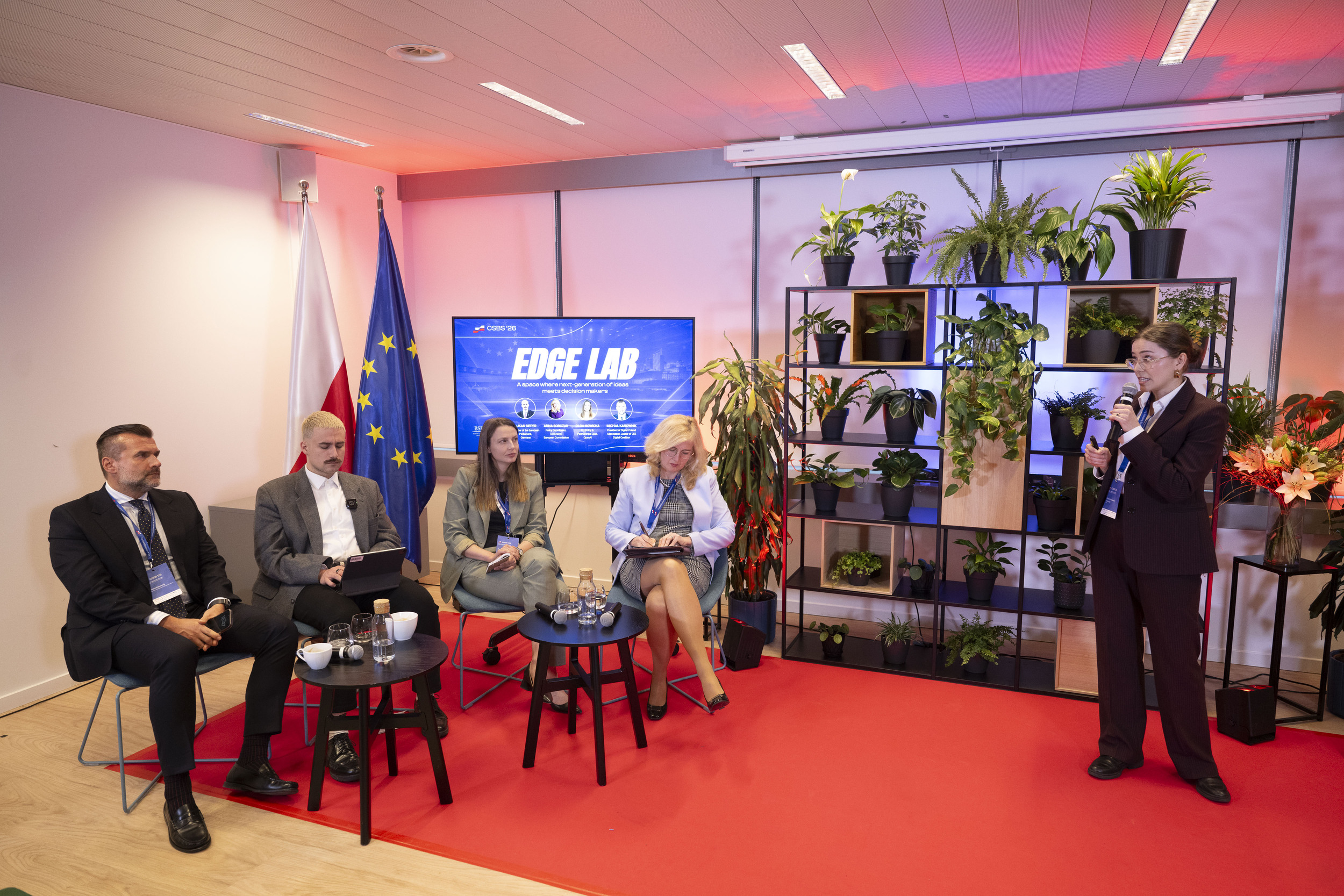
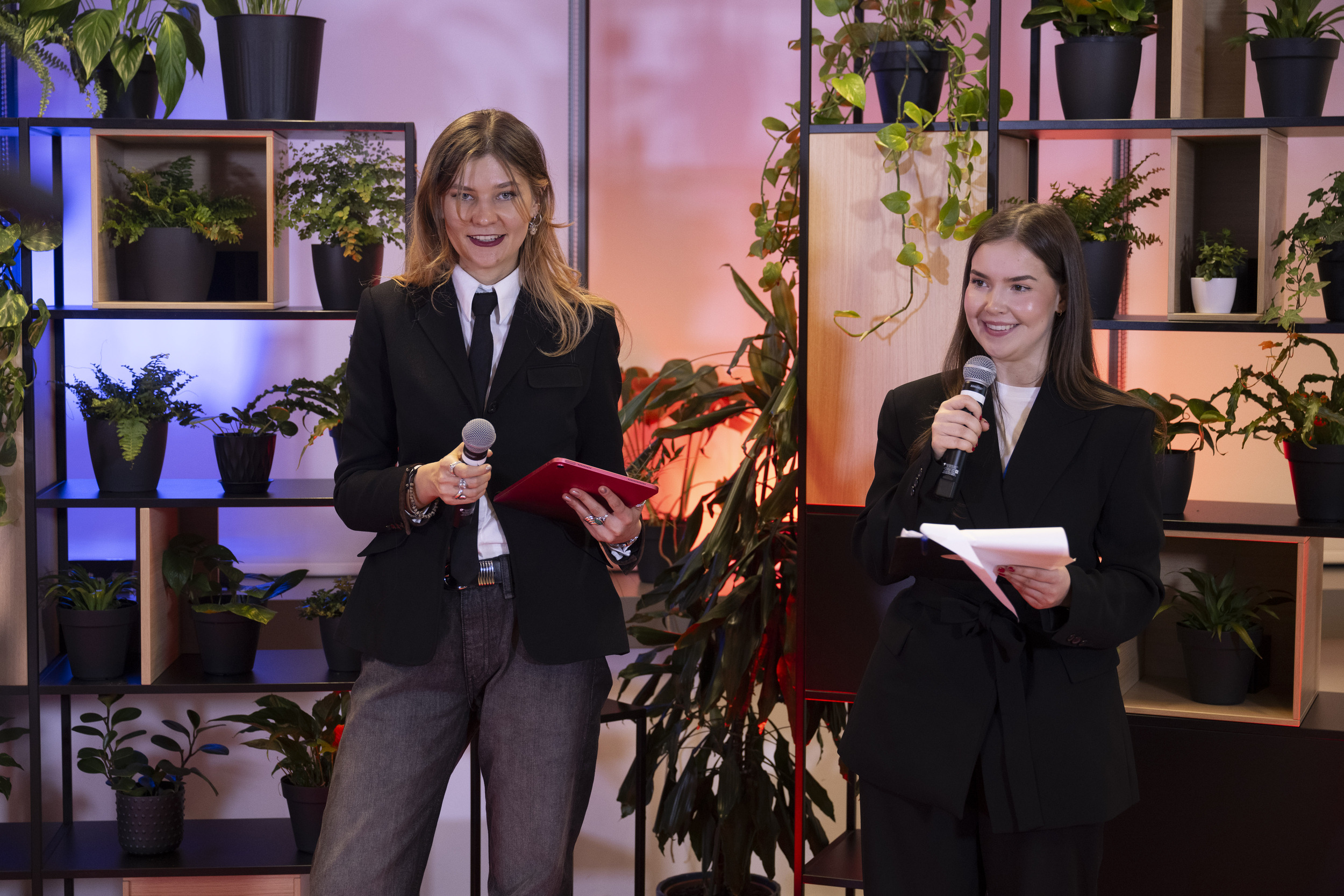
The final segment of the Summit, EDGE LAB, explored what happens when early-stage innovators engage directly with policymakers shaping Europe’s regulatory and technological landscape. Key tensions highlighted during the discussion included innovation versus regulation, ambition versus fragmentation, and digital sovereignty versus execution.
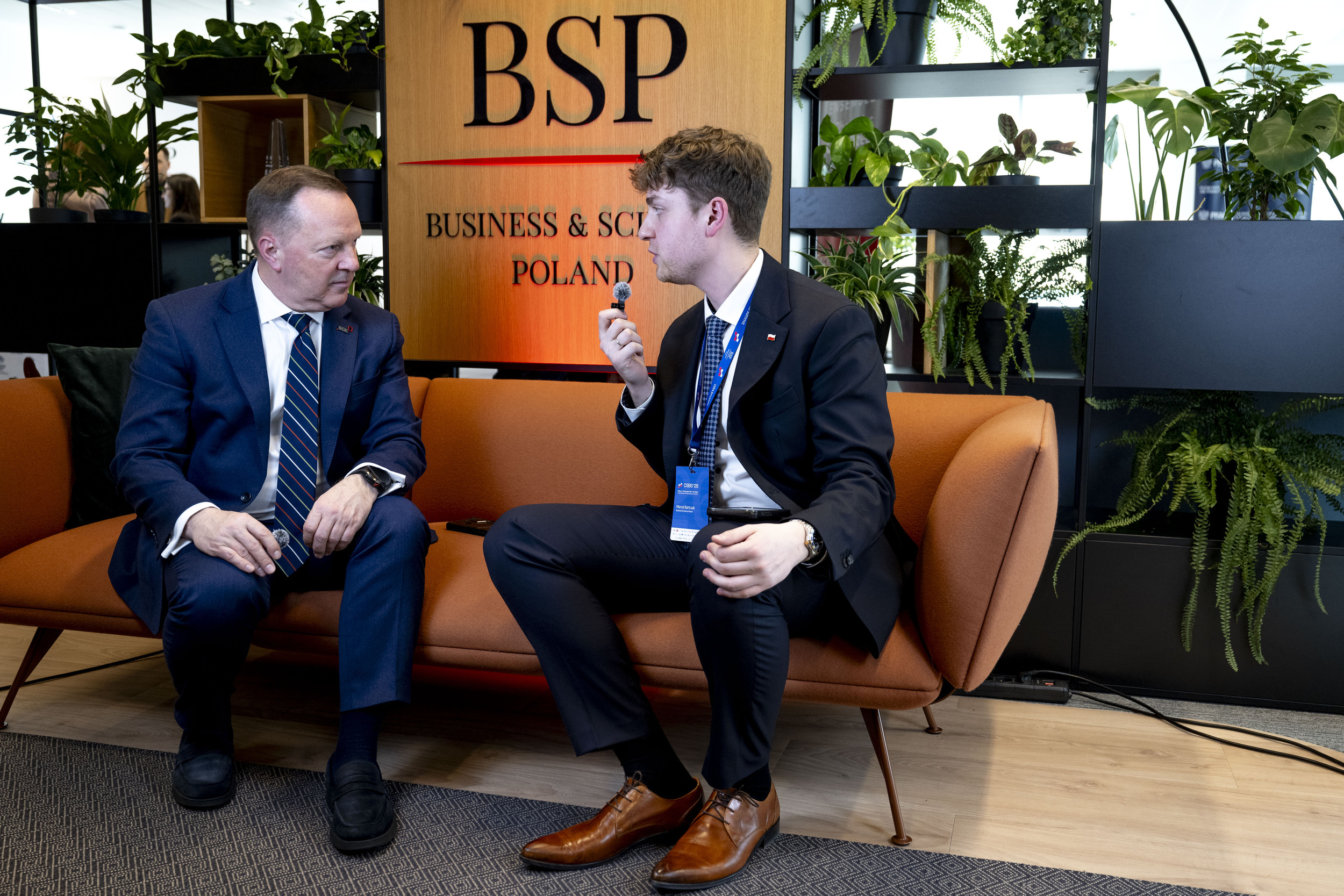
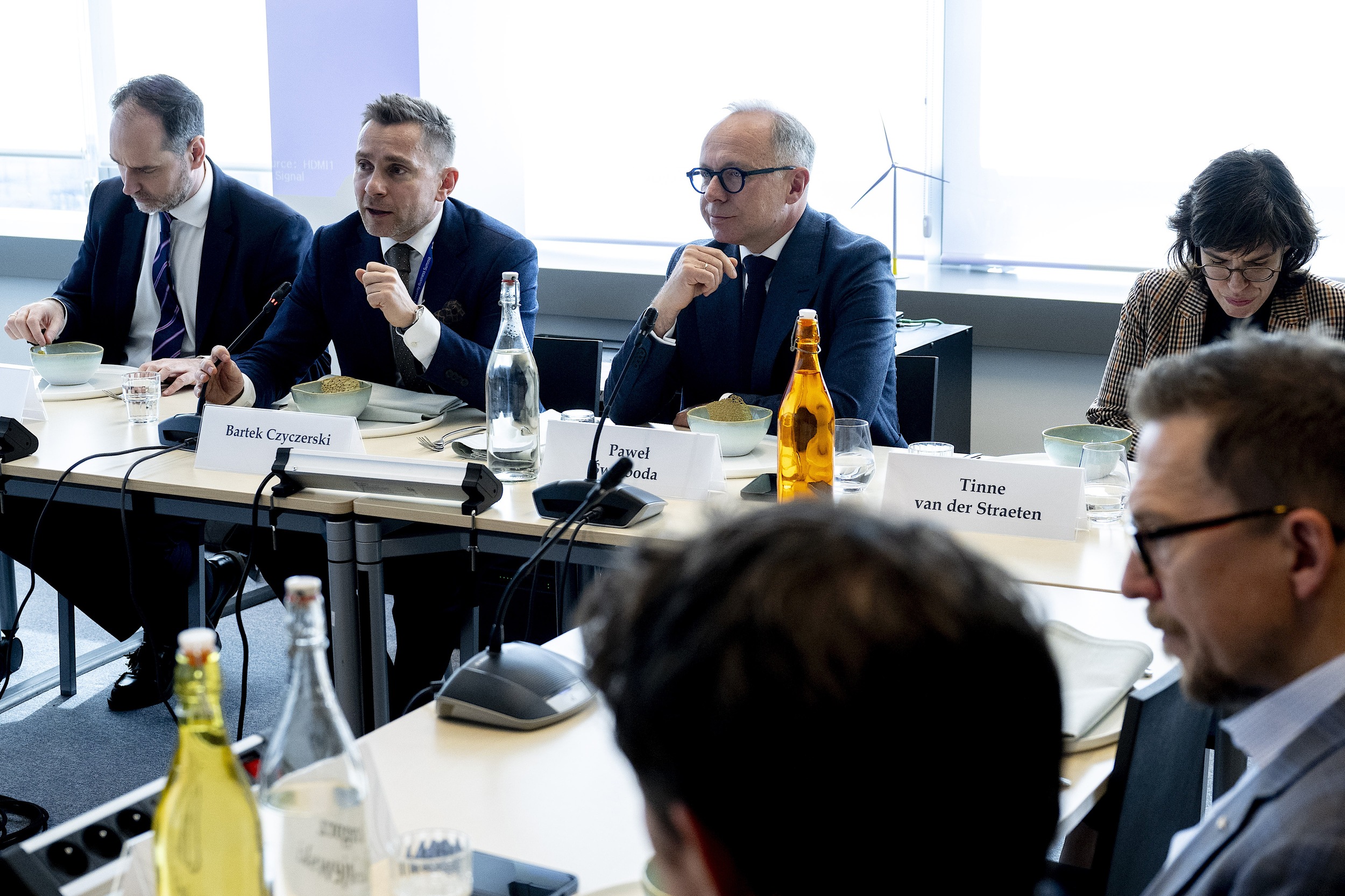
In addition to panel discussions, participants had the opportunity to engage in dedicated Fireside Chats, offering more in-depth, one-to-one conversations on selected topics under the Competitiveness & Security umbrella. These covered areas such as digital security and sovereignty, clean tech, drone production, regional development, industry clusters, the role of airports in boosting competitiveness, and advanced medical applications of AI.
Throughout the day, participants could also take part in BSP Spotlights - a dynamic on-site media space where invited guests shared their perspectives and contributed to the broader conversation as the event unfolded.
STRATEGIC PARTNERS: ORLEN S.A., Bank Gospodarstwa Krajowego
SUMMIT PARTNERS: Digital Poland Association, CEE Digital Coalition, East Poland House in Brussels, Łódzkie Region, CEC Group, WB Group, PPL Polish Aiports
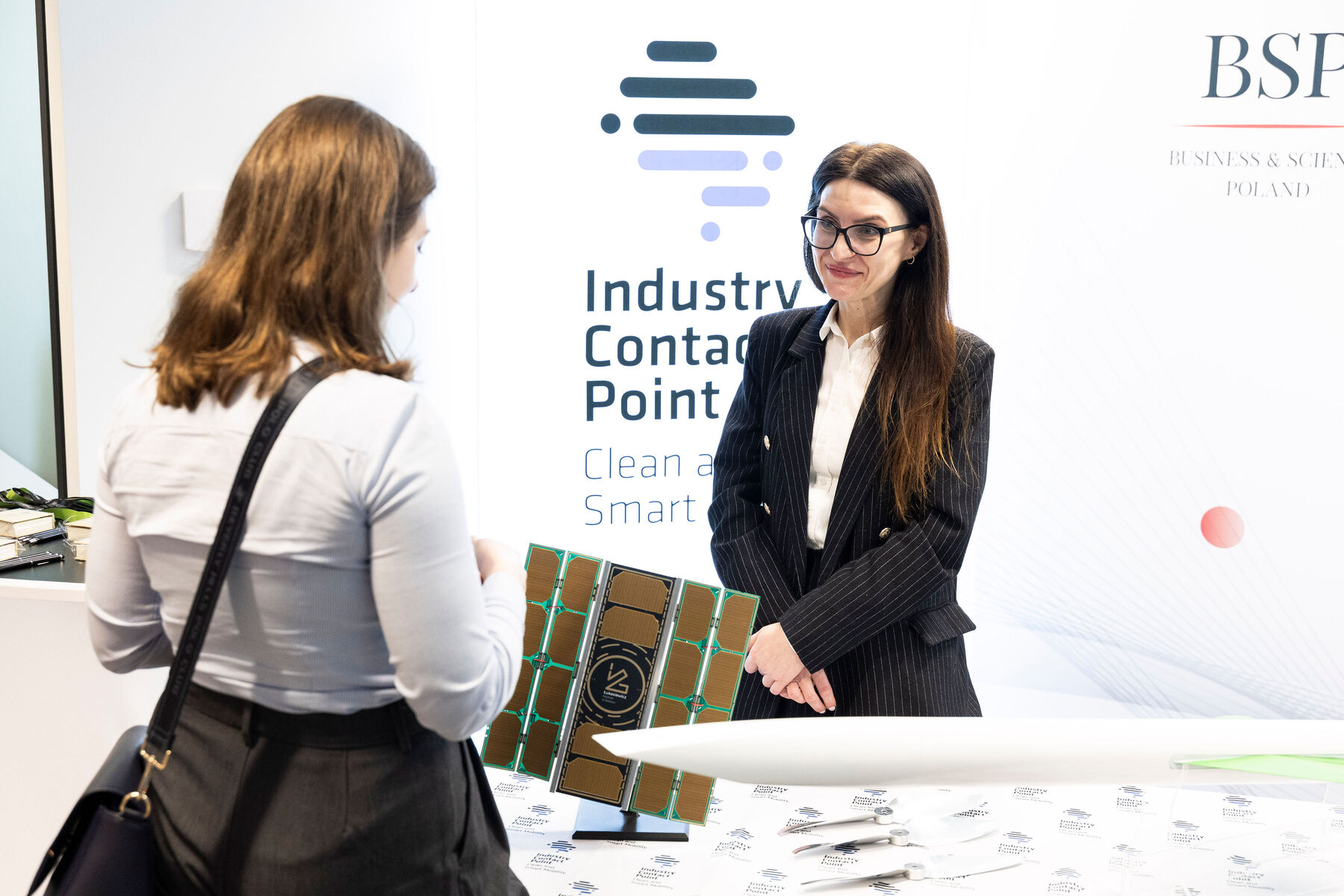
IN COOPERATION WITH: WindEurope, Euromines, European Metals, CEBRE – Czech Business Representation to the EU in Brussels, Permament Representation of the Republic of Poland, Polish Institute in Brussels, We Did It In Poland, Ilot Łukasiewicz, iTECH Łukasiewicz, Ensemble, Industry Contact Point, Visegrad Insight
MEDIA PARTNERS: Euractiv, DGP Dziennik Gazeta Prawna, Forsal.PL, Axel Springer



.jpg)
