

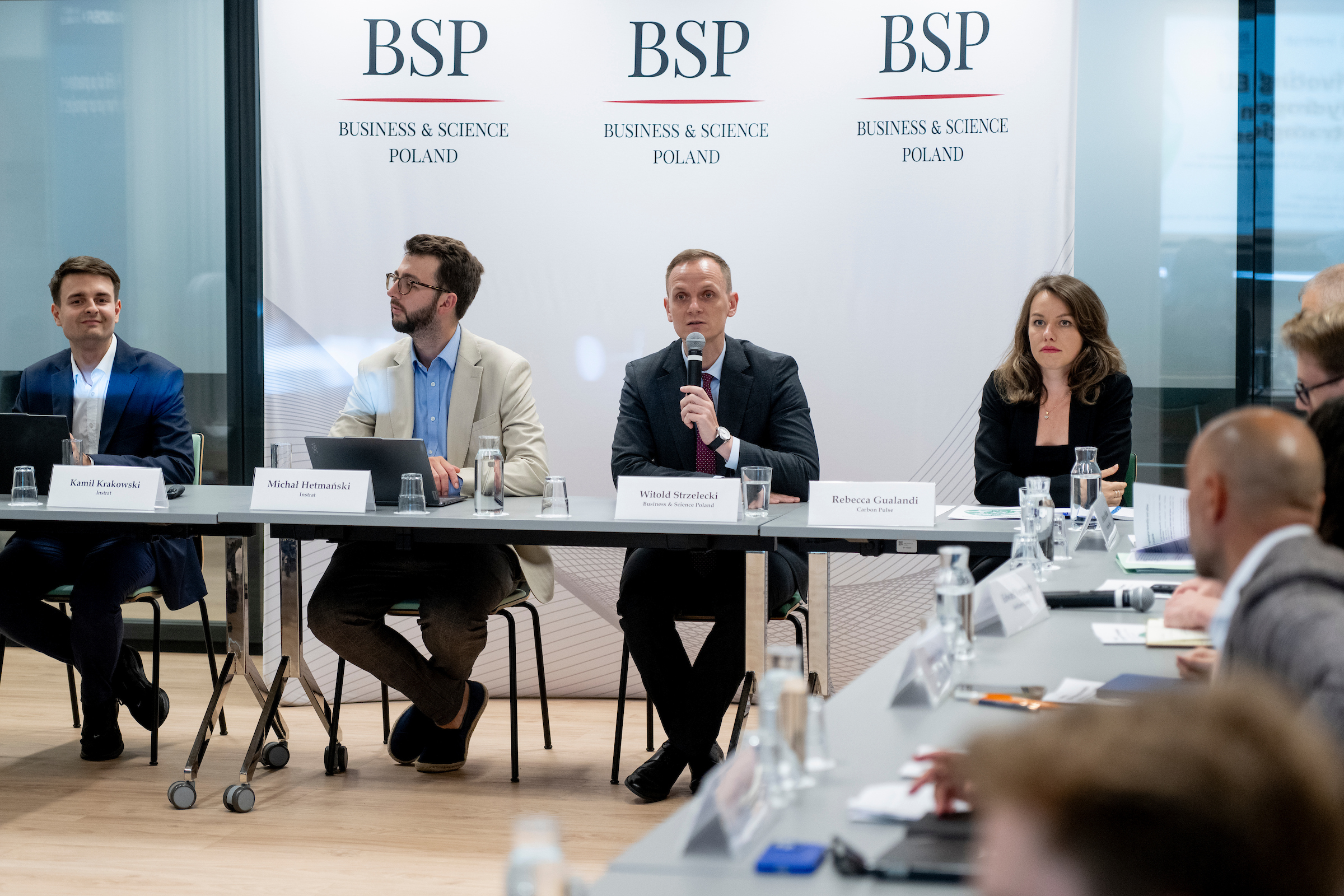
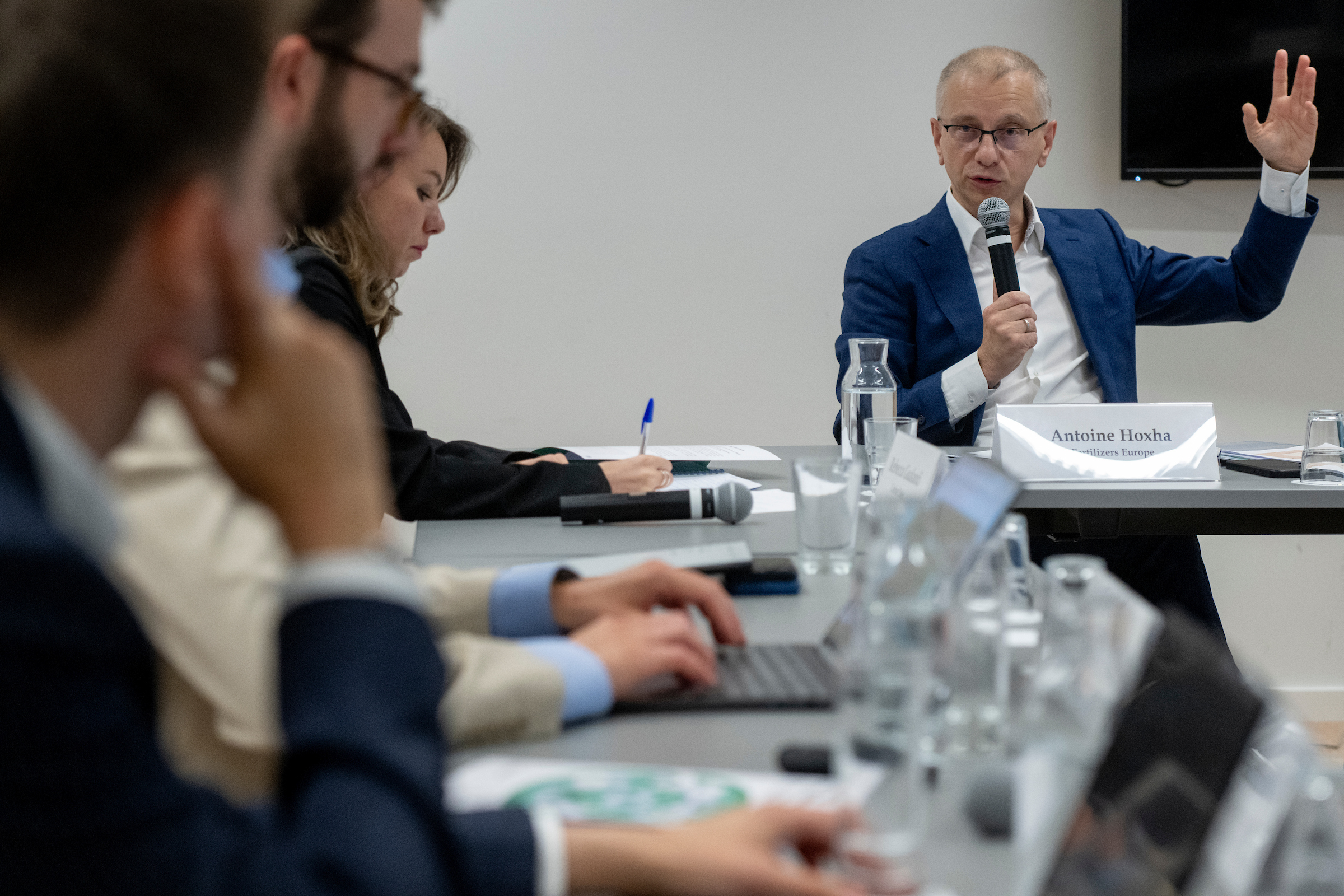
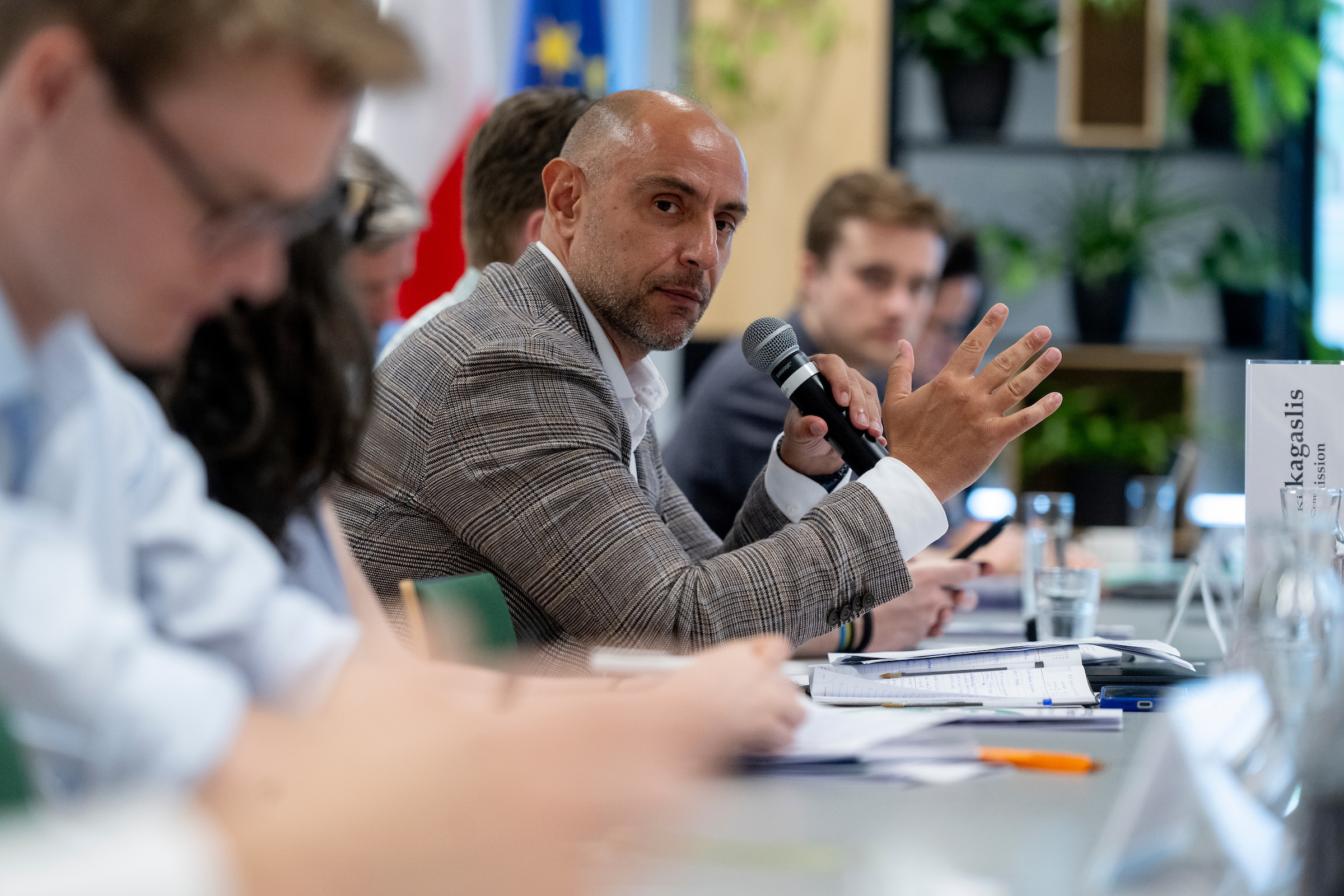
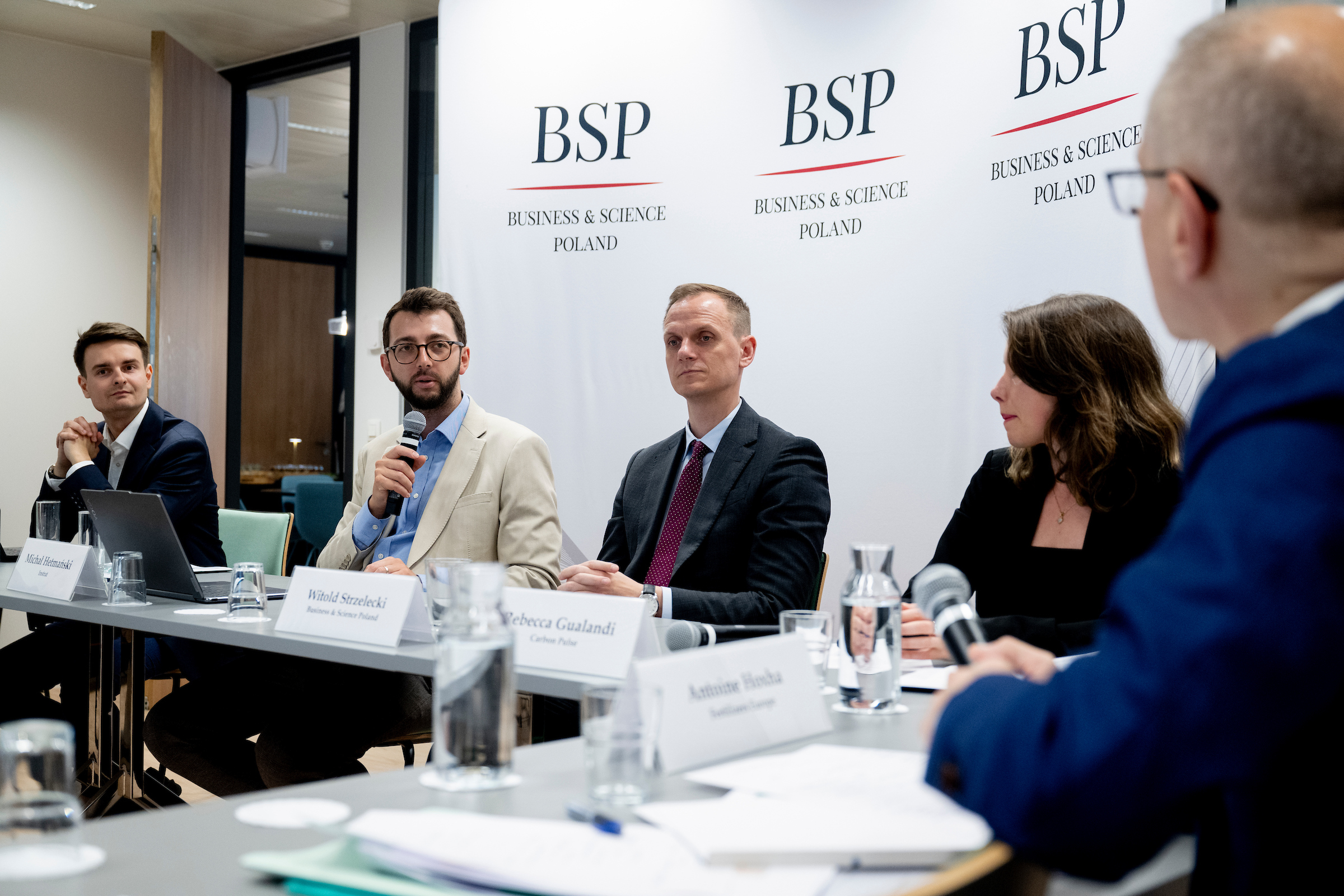
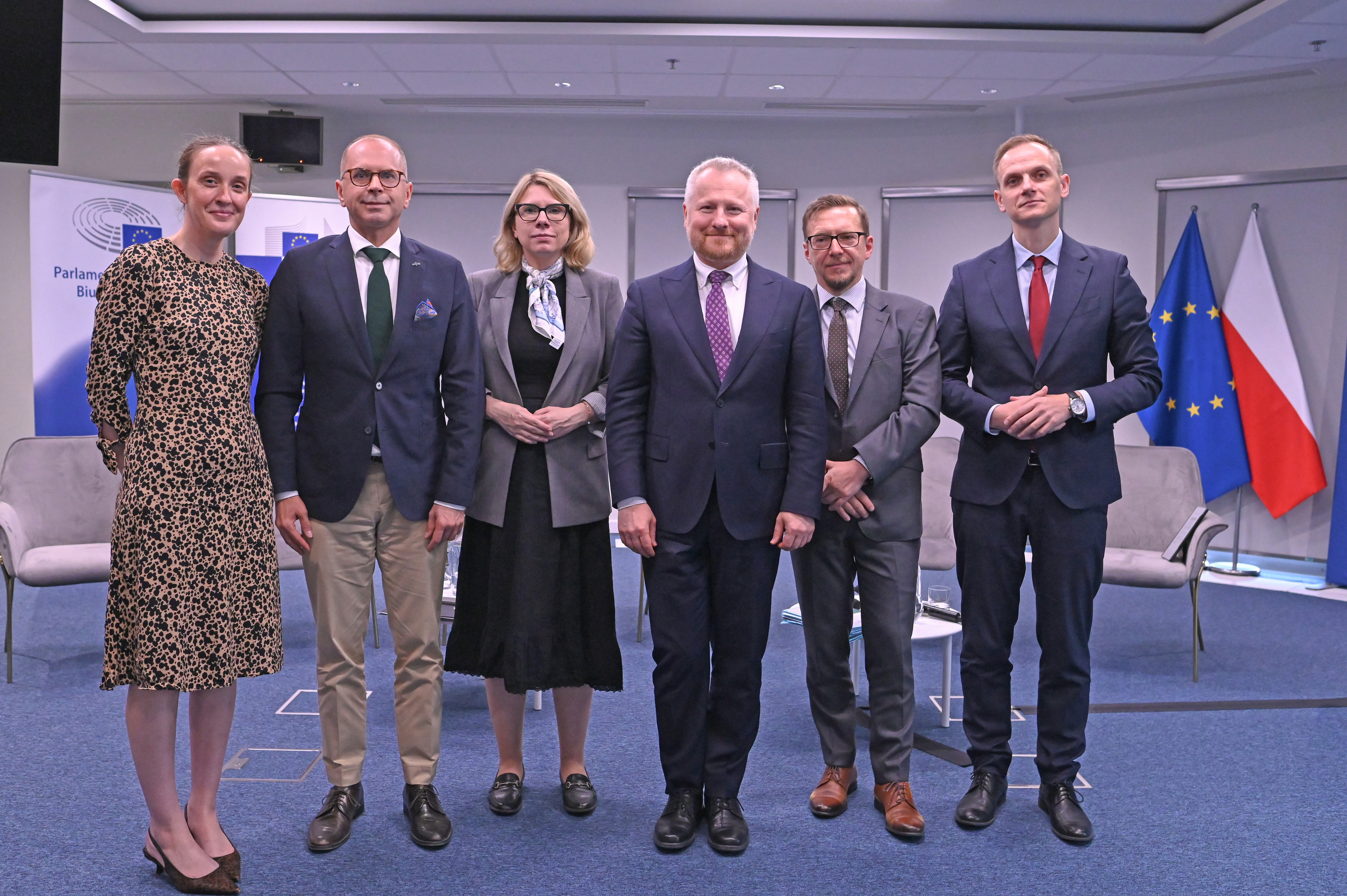
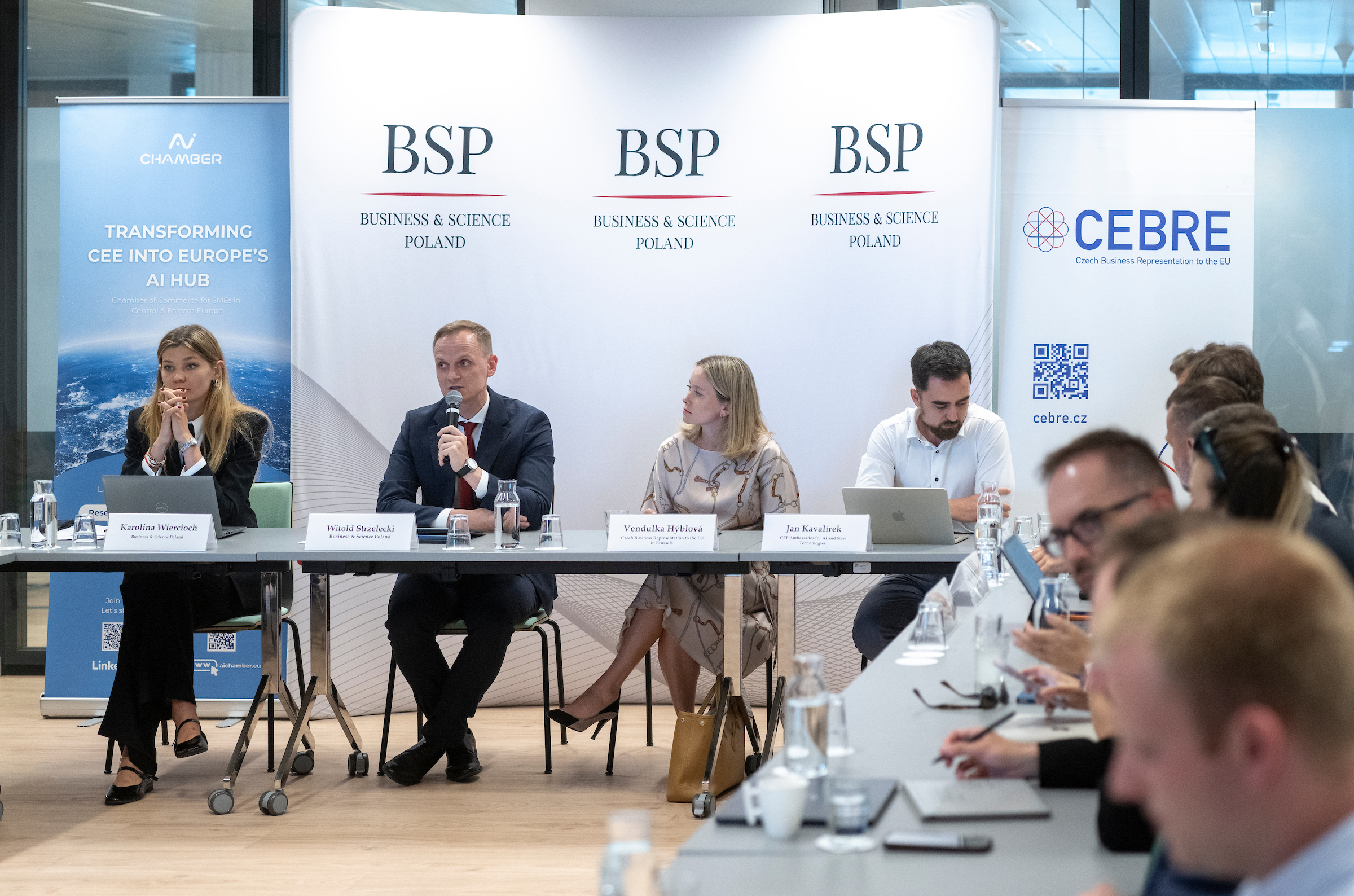
On 23 June 2026, Business & Science Poland, in cooperation with the Instrat Foundation, organised the debate "Pivoting EU Hydrogen Strategies. A Climate and Technology-Neutral Pathway to a Competitive Ammonia Sector" in Brussels. The event brought together representatives of EU institutions, experts, and stakeholders from the hydrogen and fertiliser industries to discuss the future of the EU's hydrogen policy in light of the European Commission's planned revision of the rules governing renewable fuels of non-biological origin (RFNBOs) under the AccelerateEU strategy. The discussion was moderated by Rebecca Gualandi of Carbon Pulse.
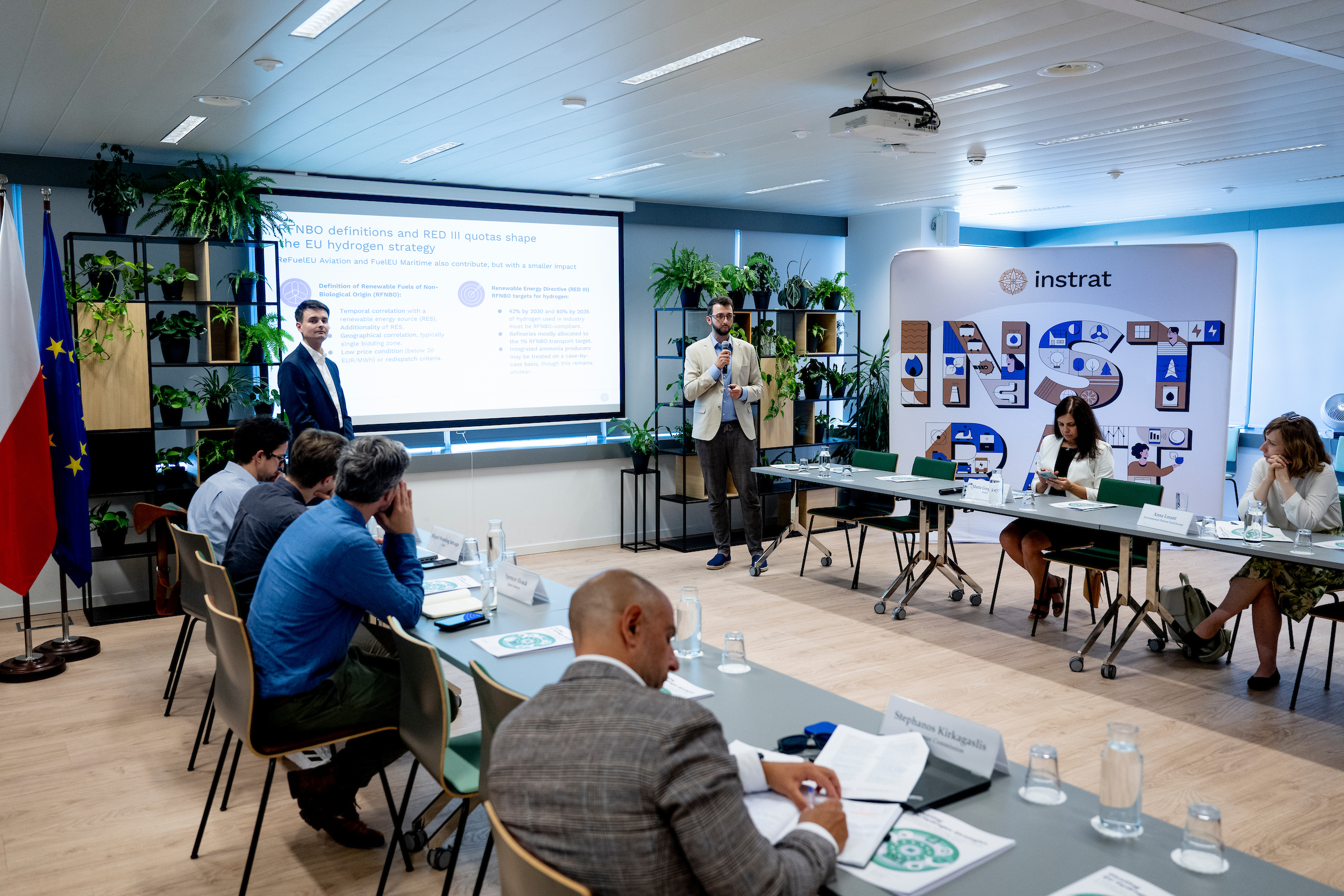
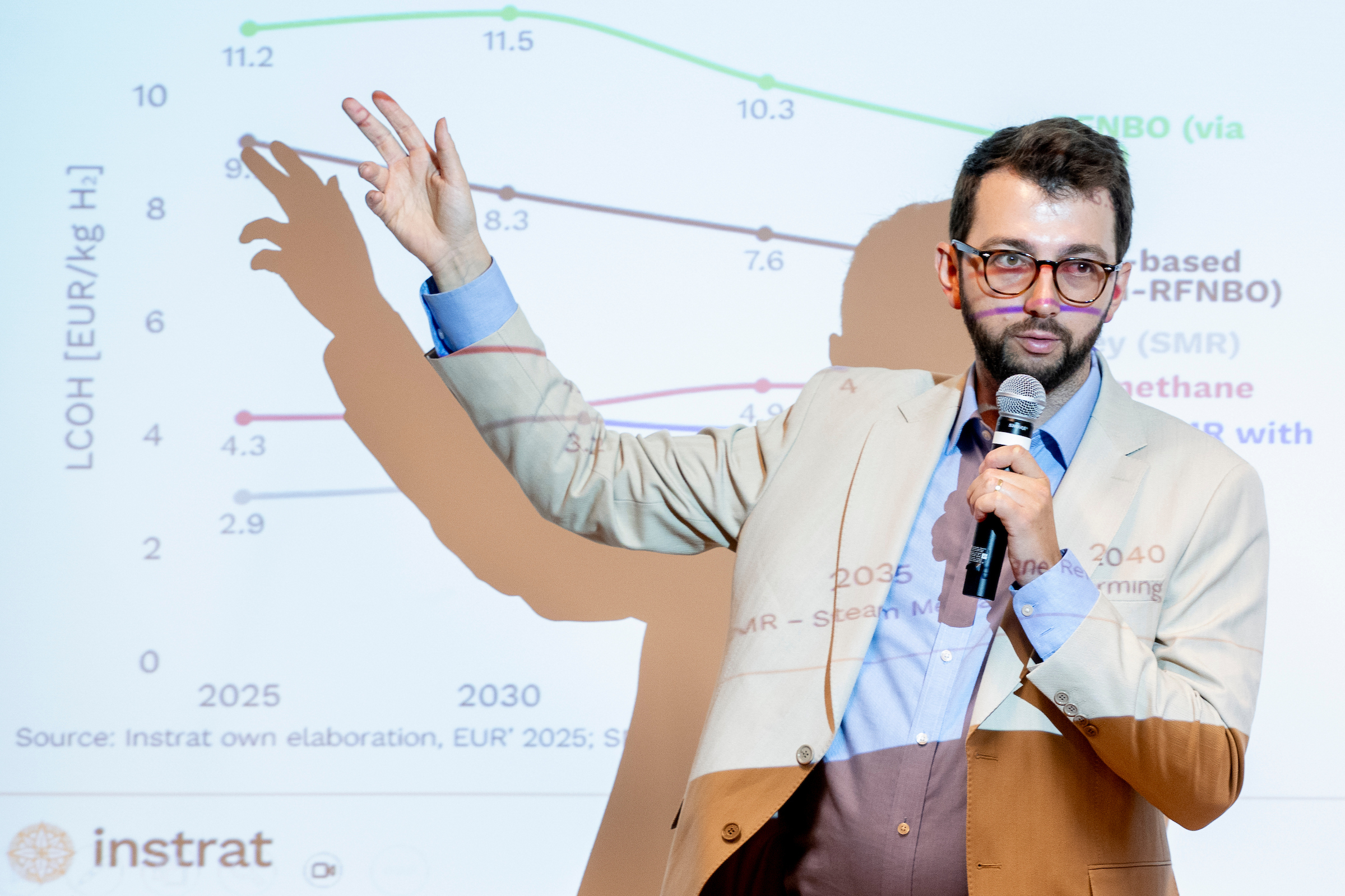
The event opened with the presentation of a report and modelling analysis prepared by the Instrat team. The authors, Michał Hetmański and Kamil Krakowski, demonstrated that the European Union's current approach to hydrogen decarbonisation and the ambitious targets set under the RED III Directive are not aligned with market realities. By the end of 2025, the operational and under-construction electrolyser capacity across the EU amounted to only 3.8 GW, a small fraction of the approximately 24 GW required by 2030. According to the authors, maintaining the current policy trajectory risks delaying industrial decarbonisation, increasing production costs, and undermining food security by placing additional pressure on the ammonia and fertiliser sectors.
Participants agreed that the successful transformation of the hydrogen sector and the related fertiliser industry requires predictable regulation and greater policy flexibility. They also stressed that climate objectives must not come at the expense of the competitiveness of Central and Eastern European economies.
Among the key recommendations presented during the debate was the introduction of the principle of technology neutrality, ensuring that EU policy recognises all low-carbon pathways, including carbon capture and storage (CCS) technologies, which could enable the decarbonisation of ammonia production more rapidly than relying exclusively on renewable hydrogen. Participants also called for reform of the EU Emissions Trading System (EU ETS) by shifting from a compliance-driven approach towards one that better supports investment. The allocation of free ETS allowances should be closely linked to verified corporate transition plans. In addition, speakers called for the full implementation of the Carbon Border Adjustment Mechanism (CBAM) without delays or exemptions, while ensuring targeted support for European farmers and promoting more efficient fertiliser use.
View the photo gallery on our profile Flickr
.jpg)
