
On 26 November, Business & Science Poland participated in the “Polska Moc Biznesu” Social and Economic Congress in Warsaw as a partner of the event, presenting a comprehensive program devoted to key challenges facing Polish enterprises in the context of European economic policy.
Debates and speeches
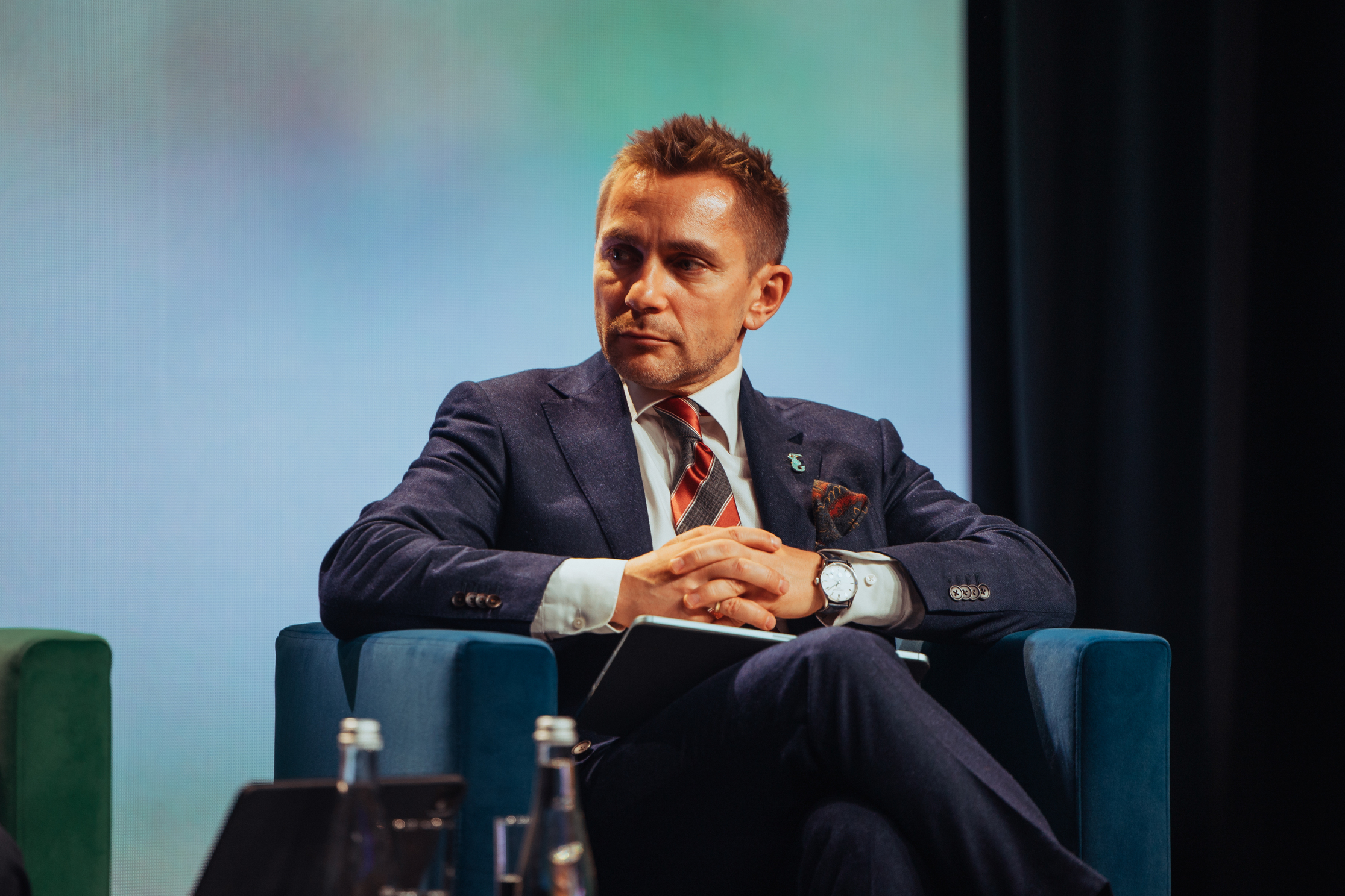
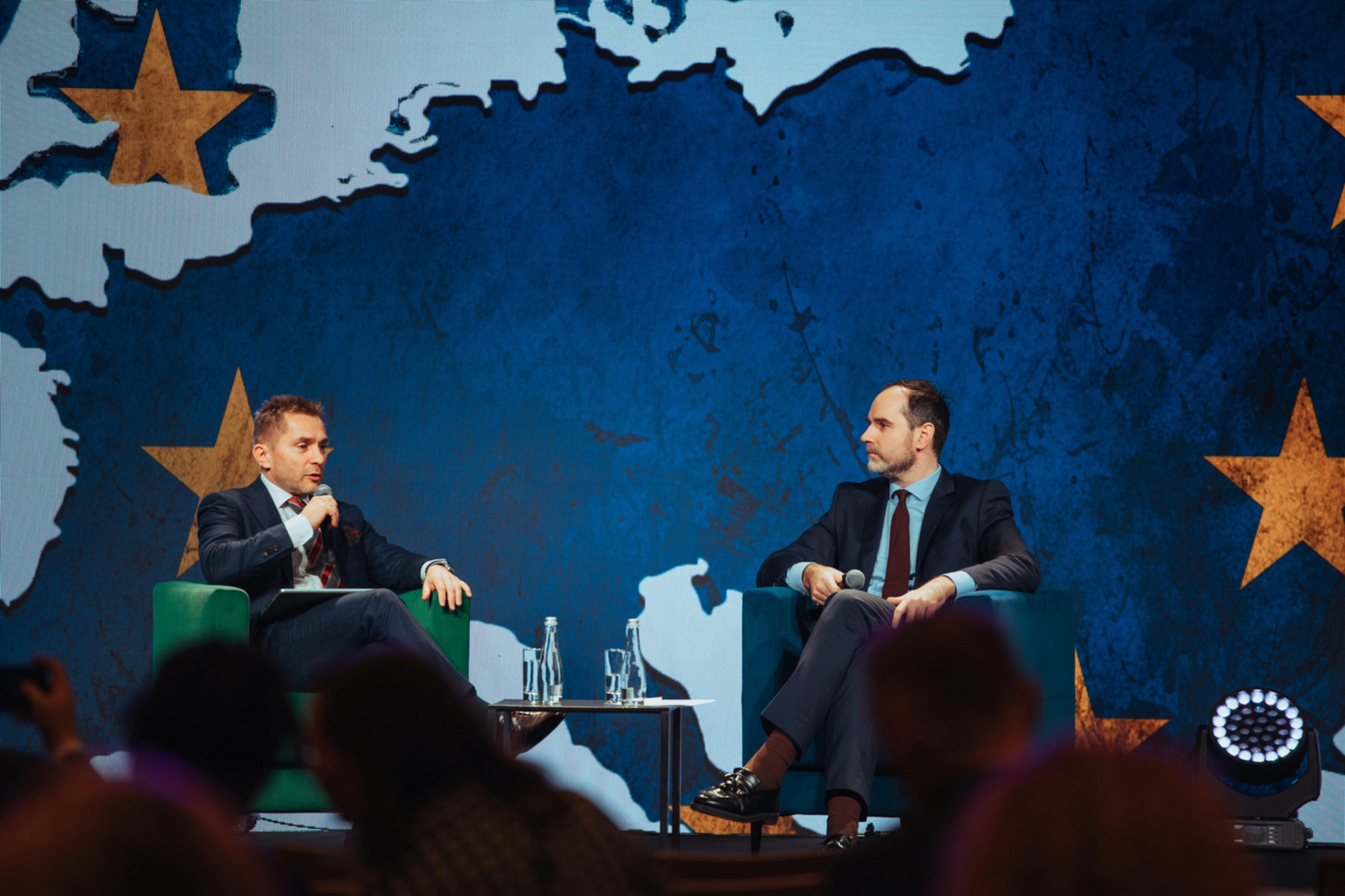
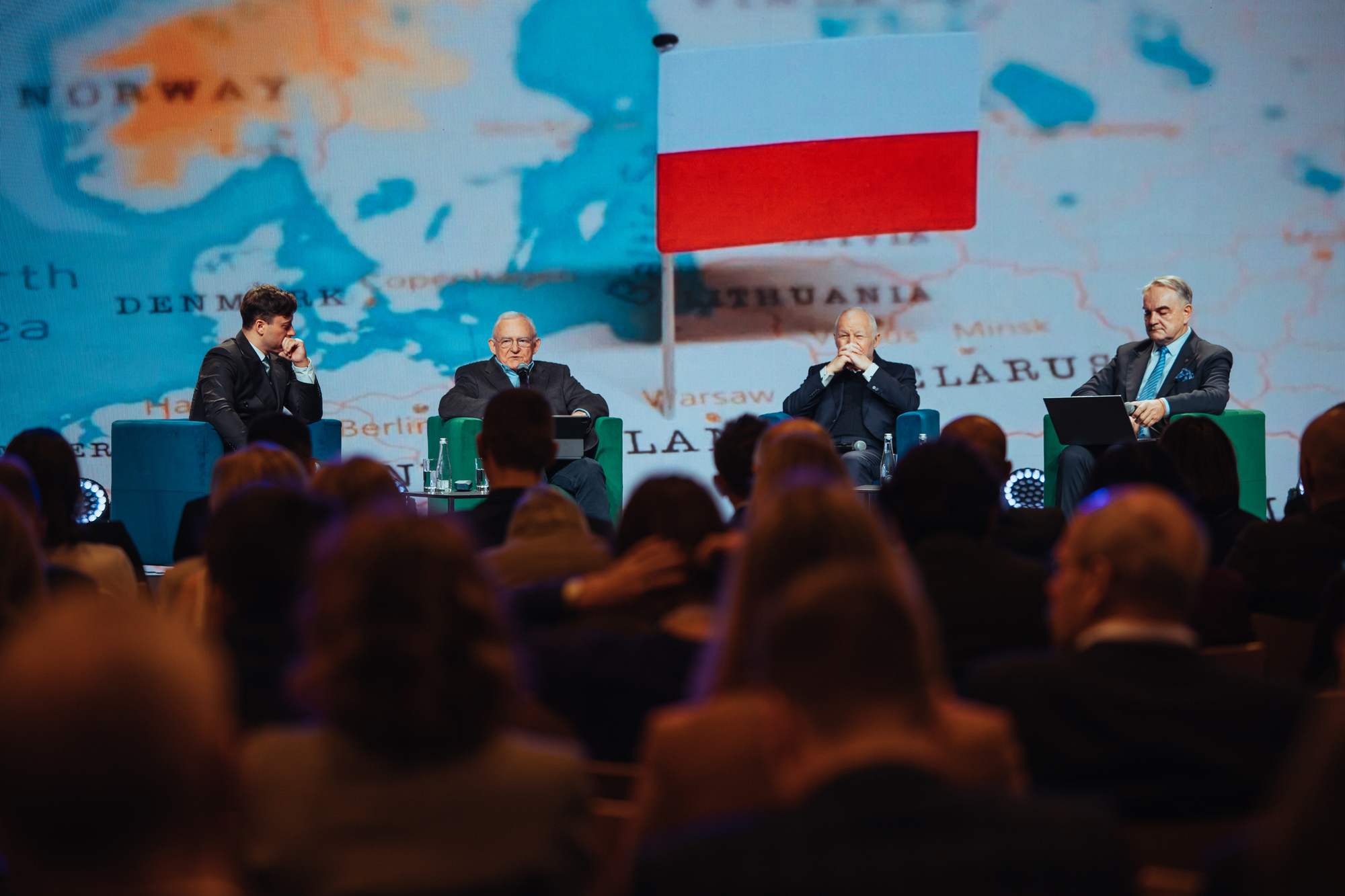
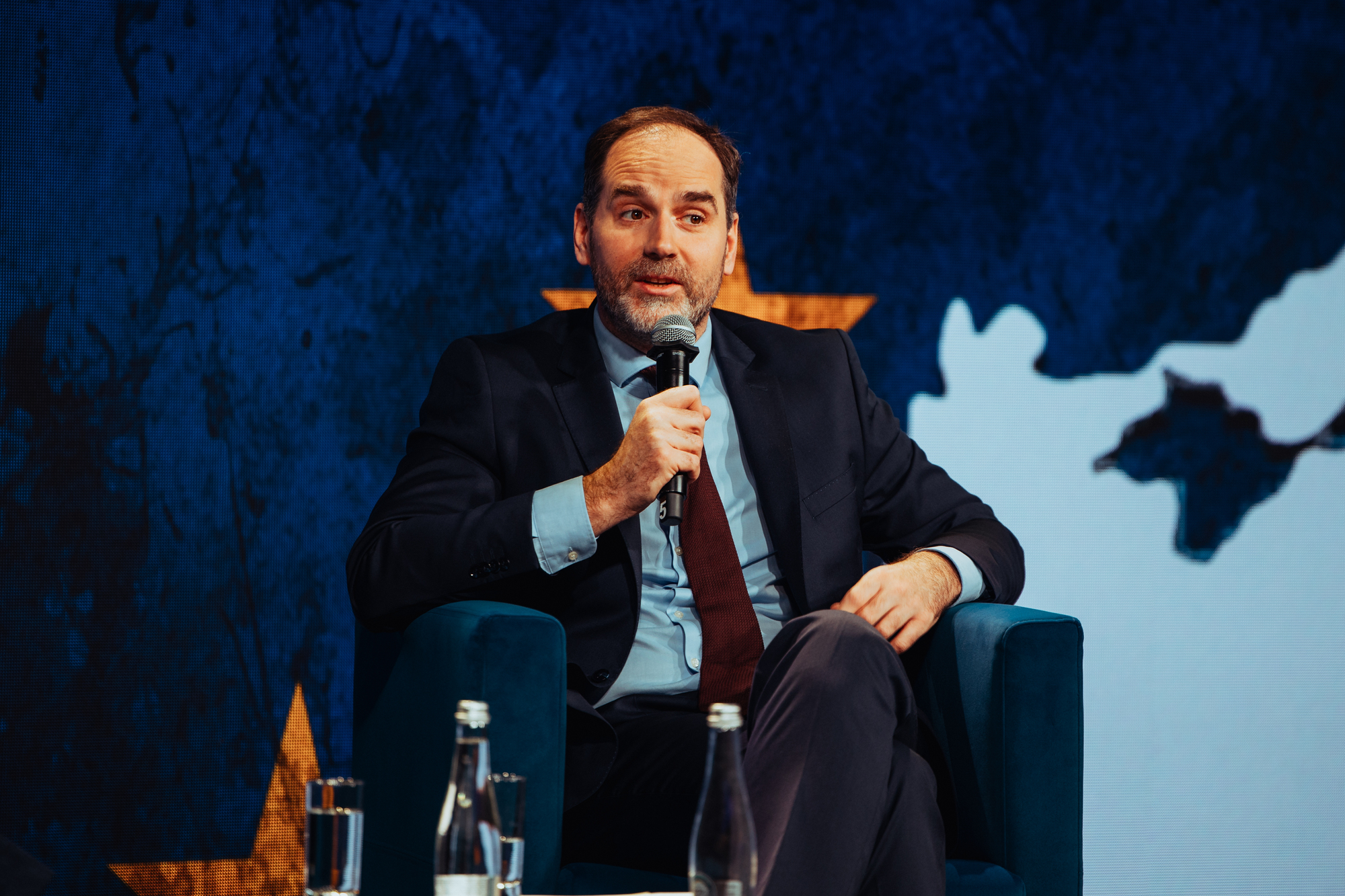
Bartek Czyczerski, CEO of Business & Science Poland, held a conversation with Ignacy Niemczycki, Secretary of State at the Ministry of Foreign Affairs, on the support provided by the Polish government to Polish companies participating in legislative processes in Brussels.
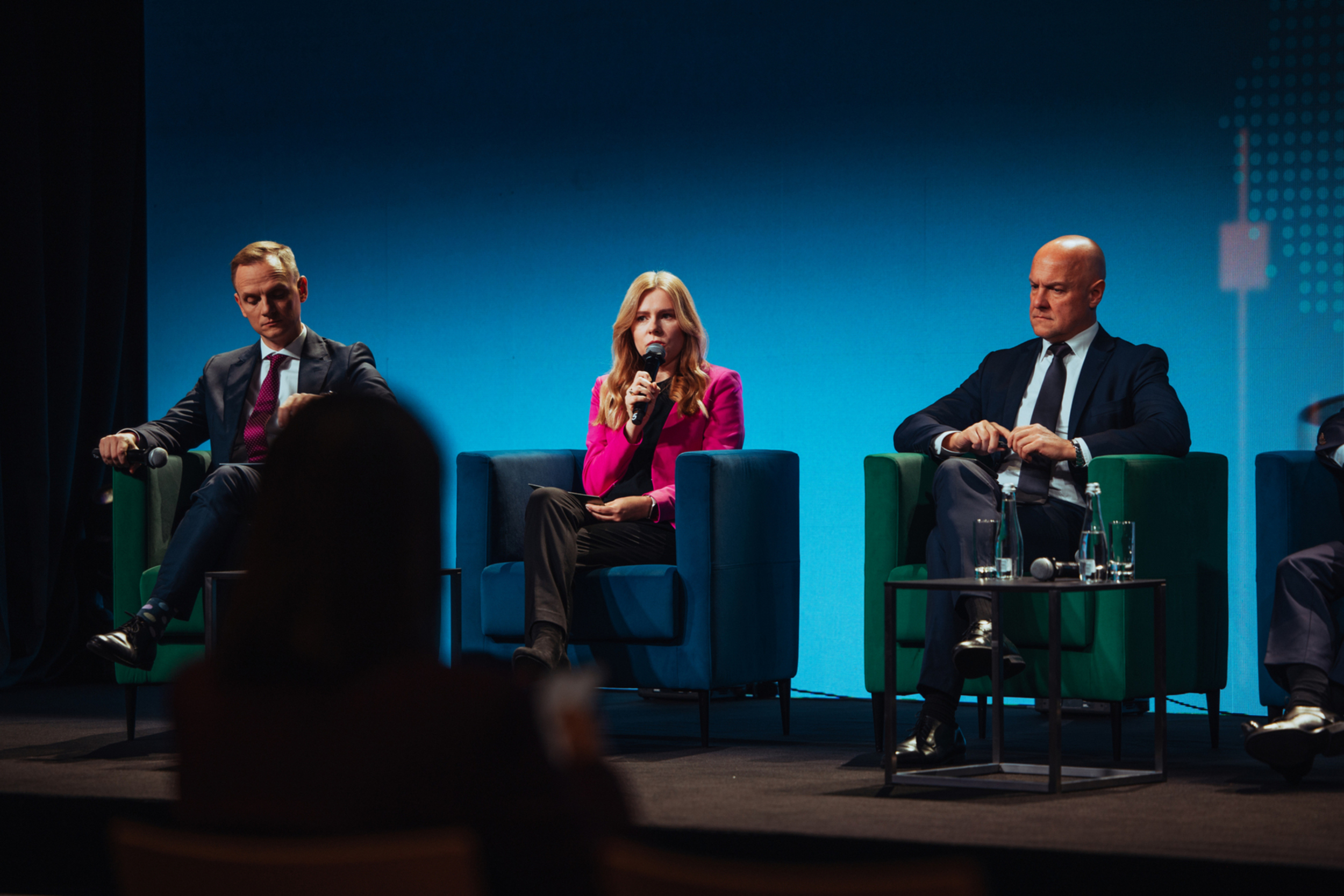
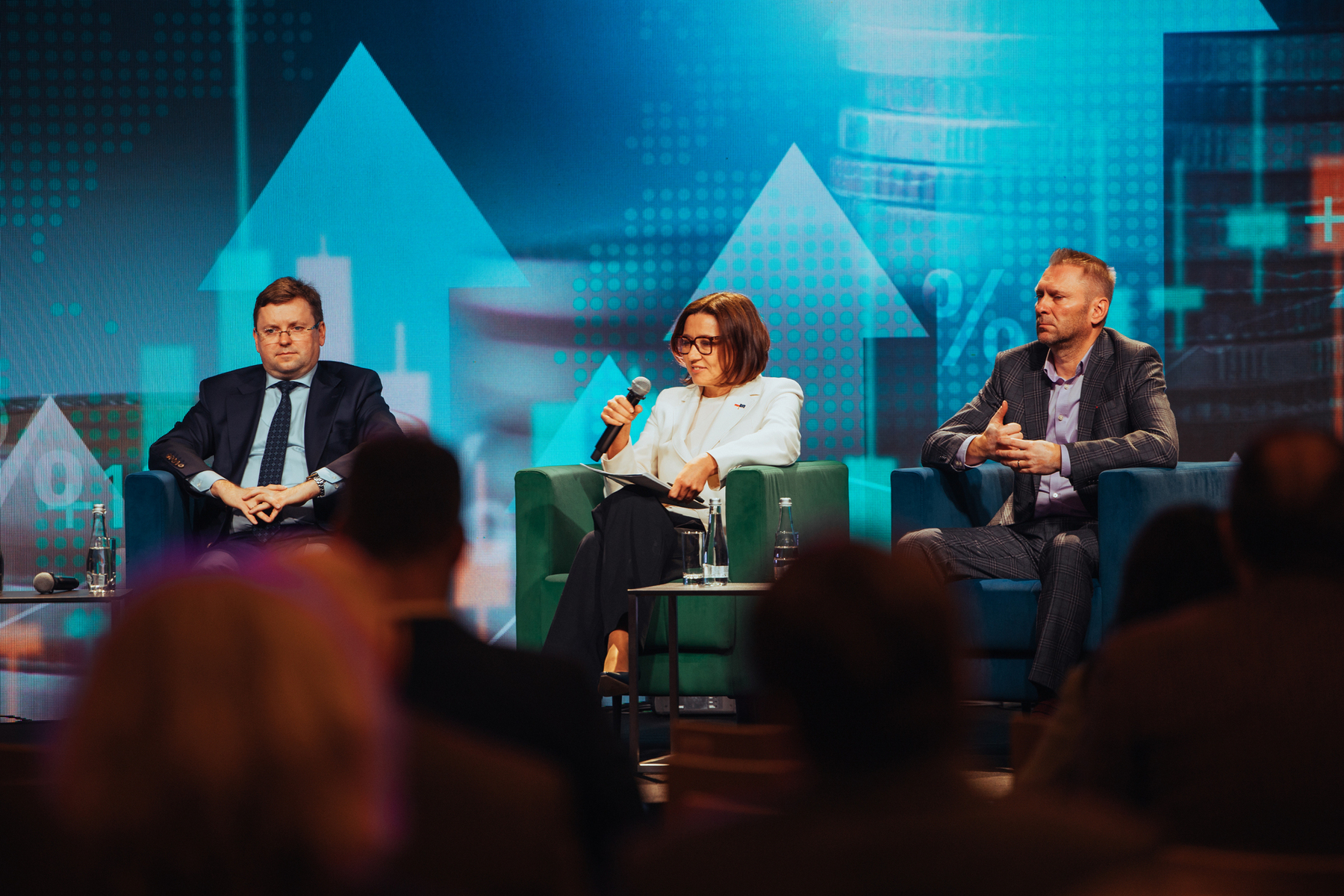
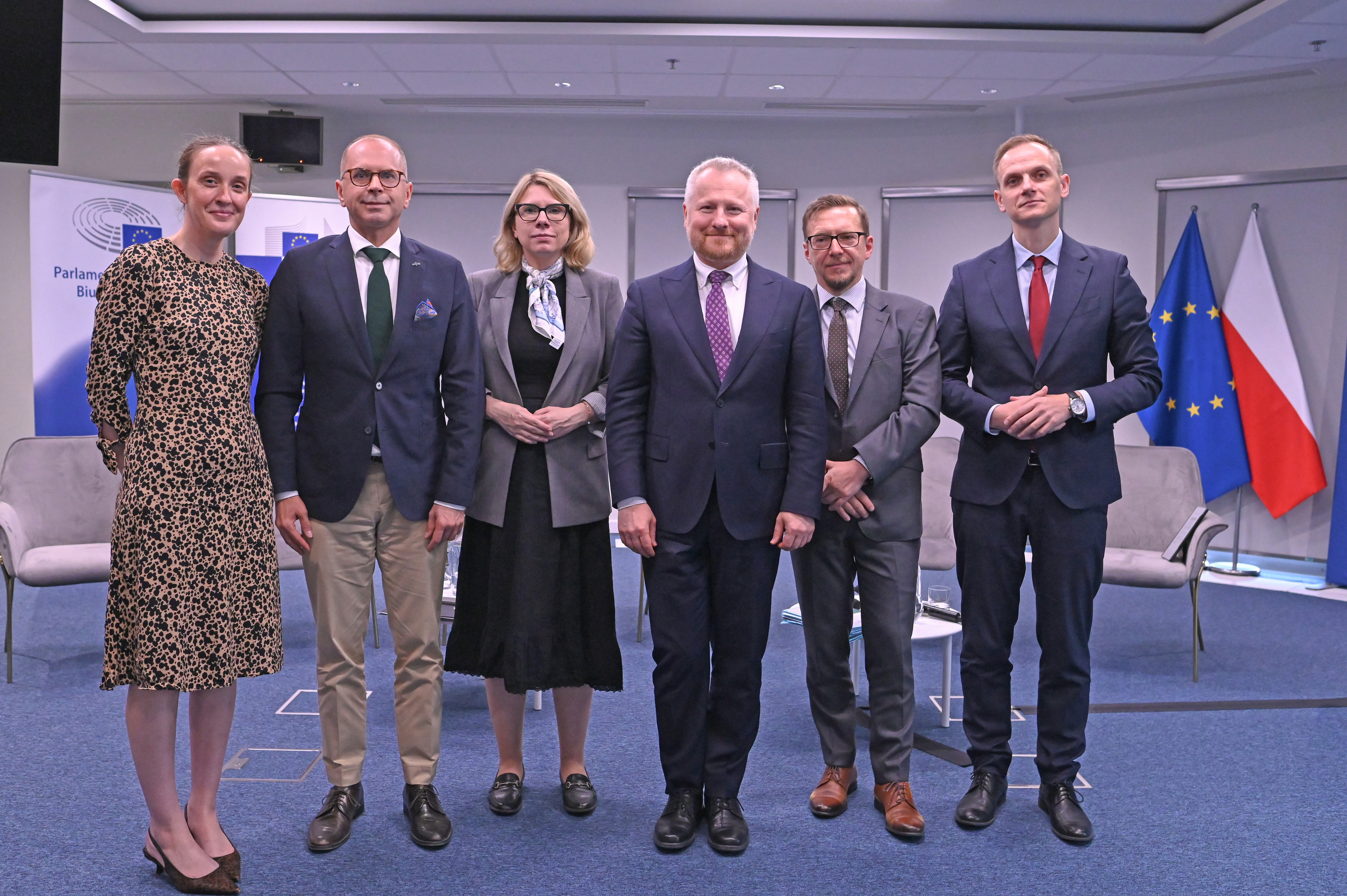
Following this discussion, Witold Strzelecki, Managing Director of Business & Science Poland, moderated a panel titled “Strengthening EU Competitiveness – A Financing Perspective.” Panellists included:
- Katarzyna Smyk, Director of the European Commission Representation in Poland
- Anna Zalewska, Advocacy Manager, BASF Polska
- Prof. Konrad Trzonkowski, Development Investment Office, Central Transport Hub (Centralny Port Komunikacyjny)
- Dr Marcin Liberadzki, Professor at the Warsaw School of Economics, Member of the Supervisory Board of BOŚ Bank and Member of the Political Cabinet of the Minister of Funds and Regional Policy
- Sławomir Szmytkowski, Vice President of the Management Board, Asseco Poland S.A.
The discussion focused on the challenges faced by Polish companies and possible solutions to increase their competitiveness on the European market.
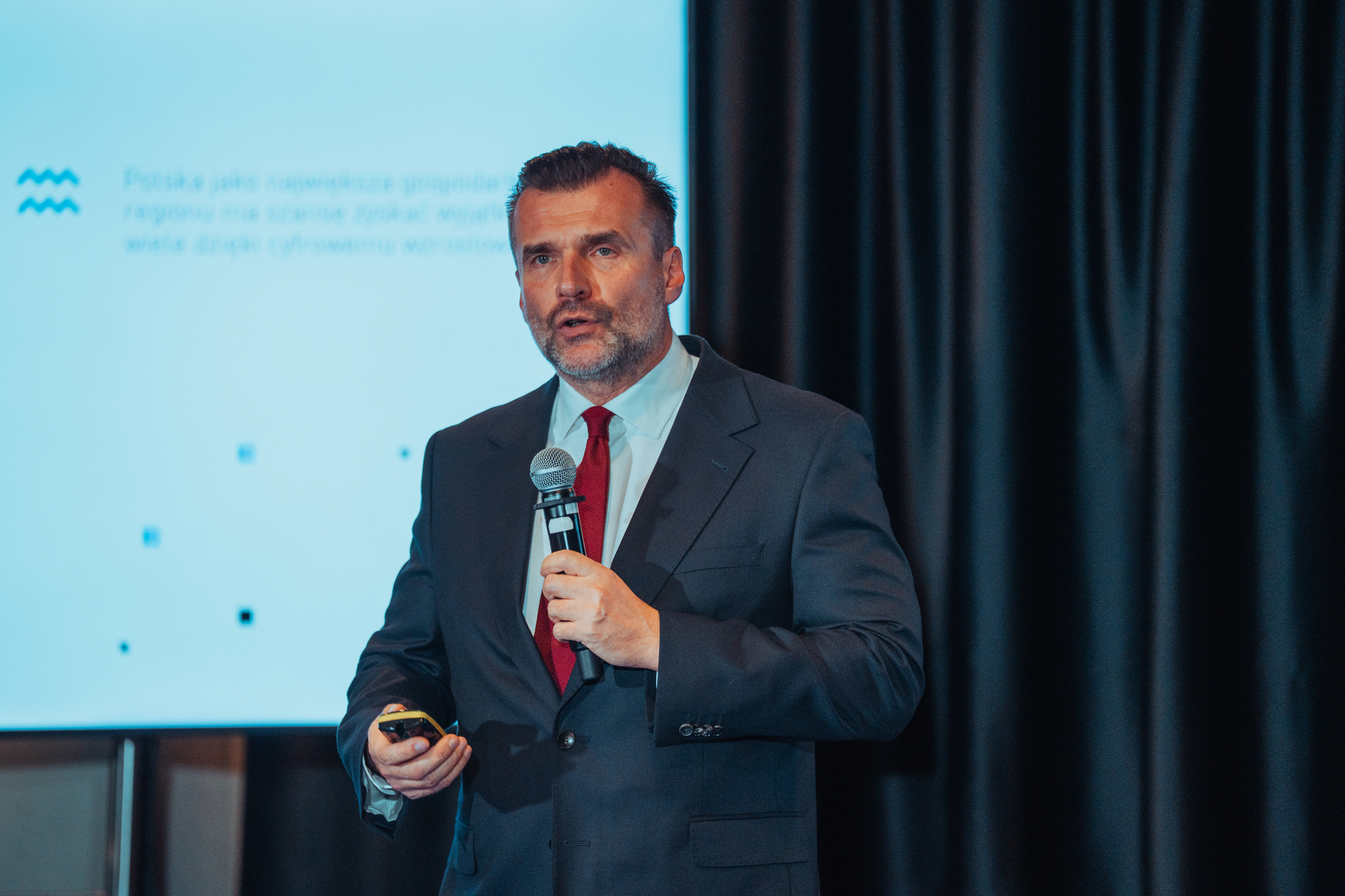
Michał Kanownik, President of the Digital Poland Association, also gave a presentation entitled “Poland as the digital leader of the region.”
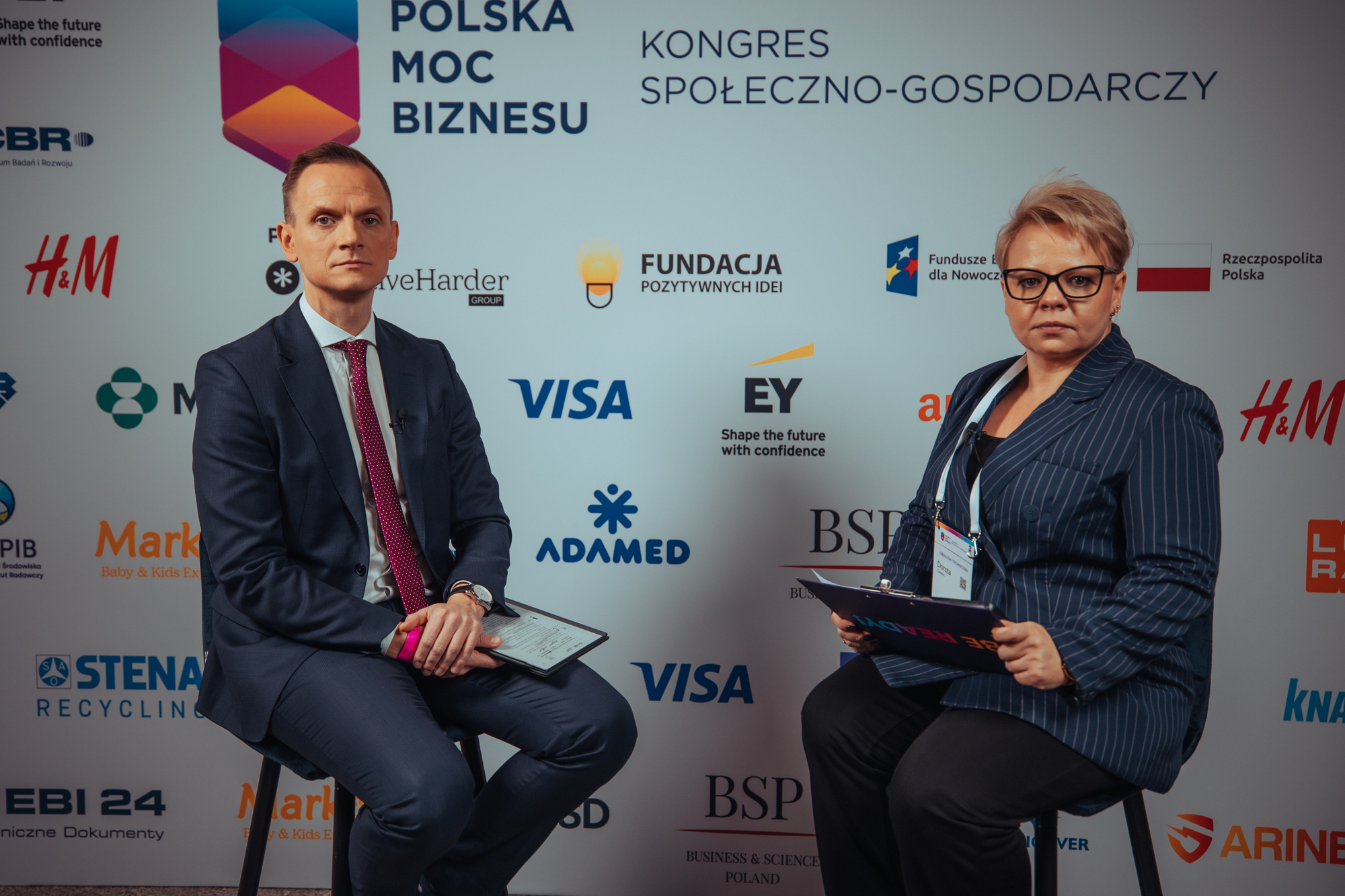
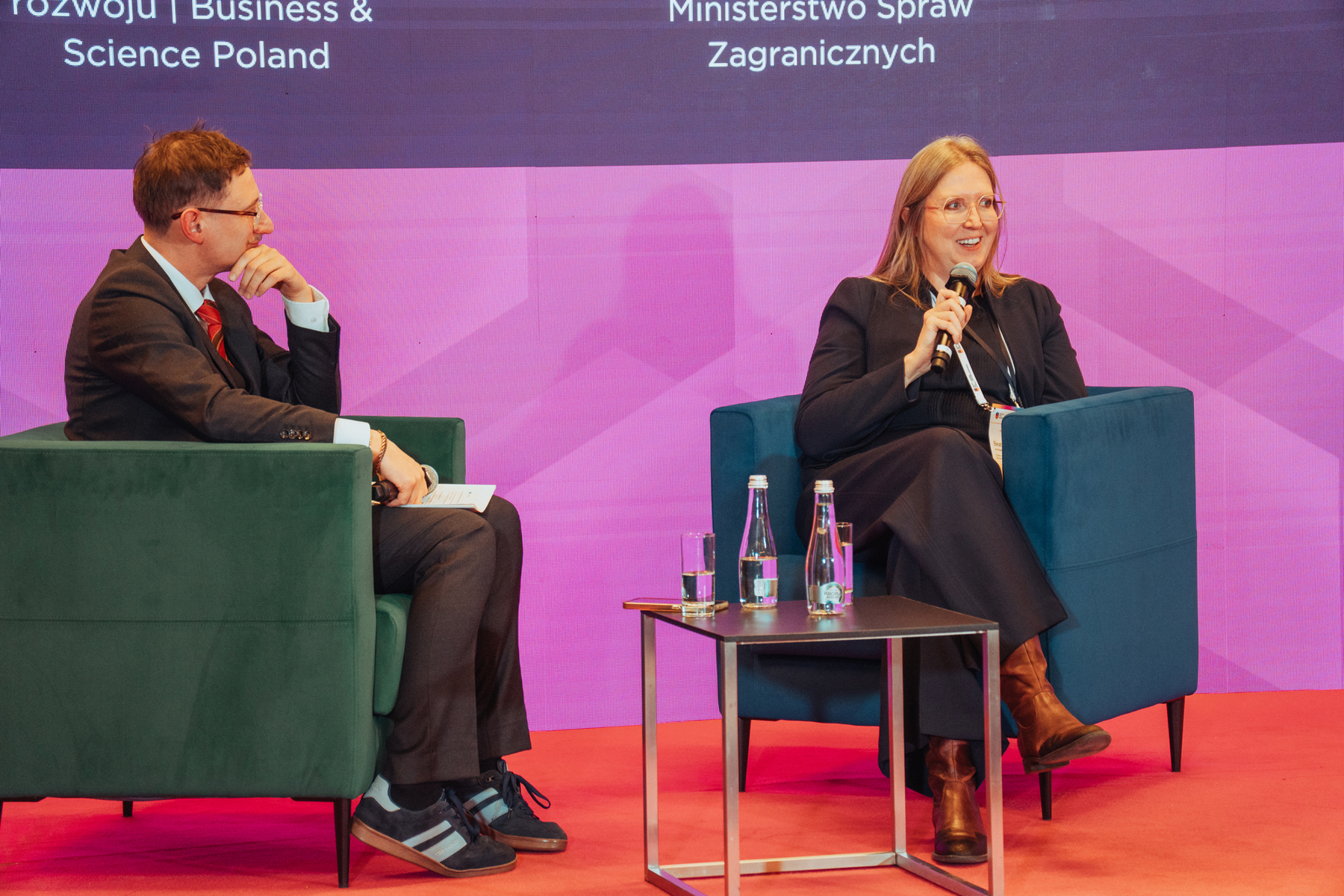
The next item on the agenda was a conversation between Dariusz Dybka, Principal Adviser at Business & Science Poland, and Beata Jaczewska, Director of the Department of Economic Cooperation at the Ministry of Foreign Affairs, devoted to the priorities and challenges of Polish economic diplomacy.
BSP workshops – developing proposals for Polish business
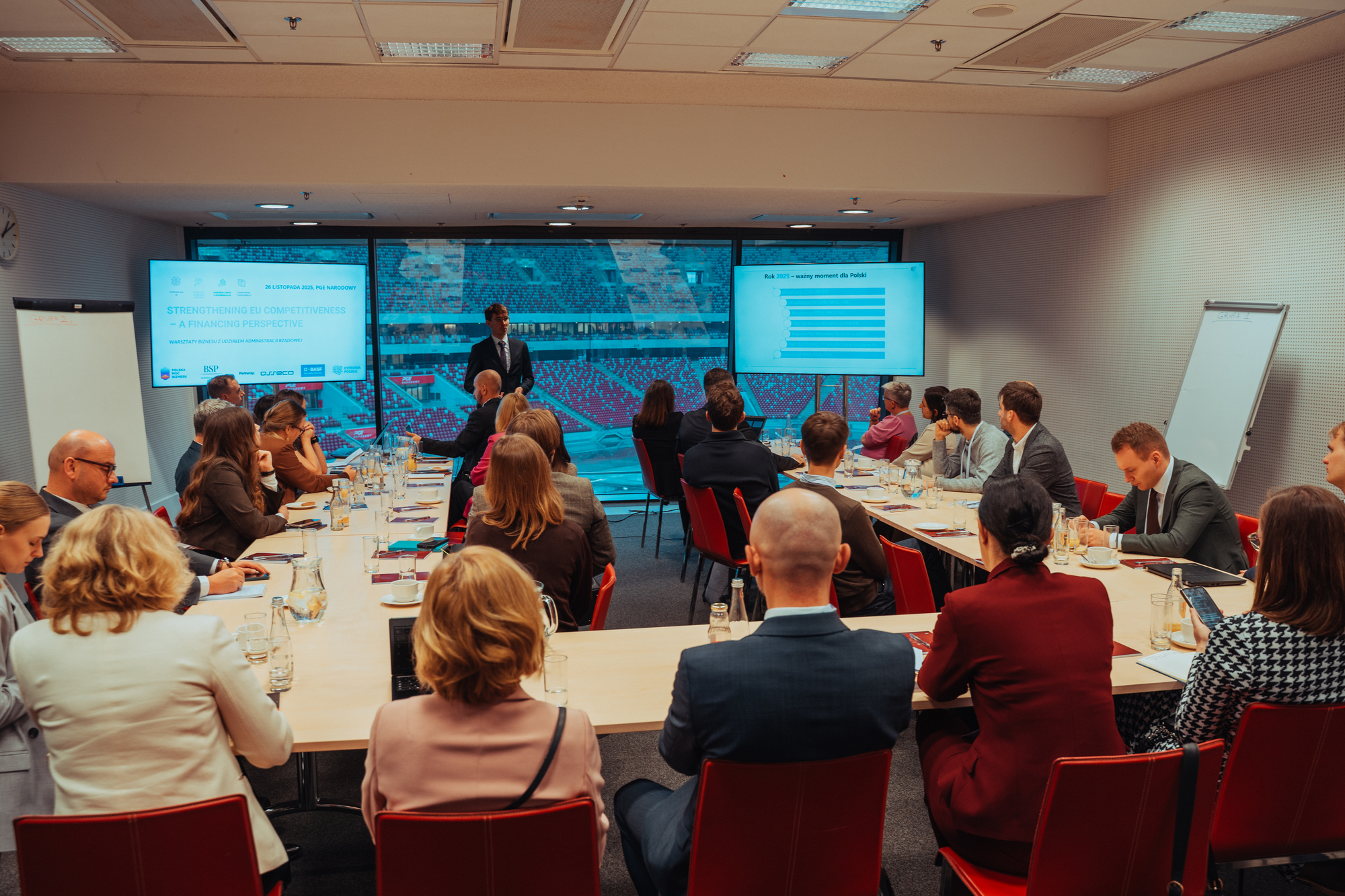
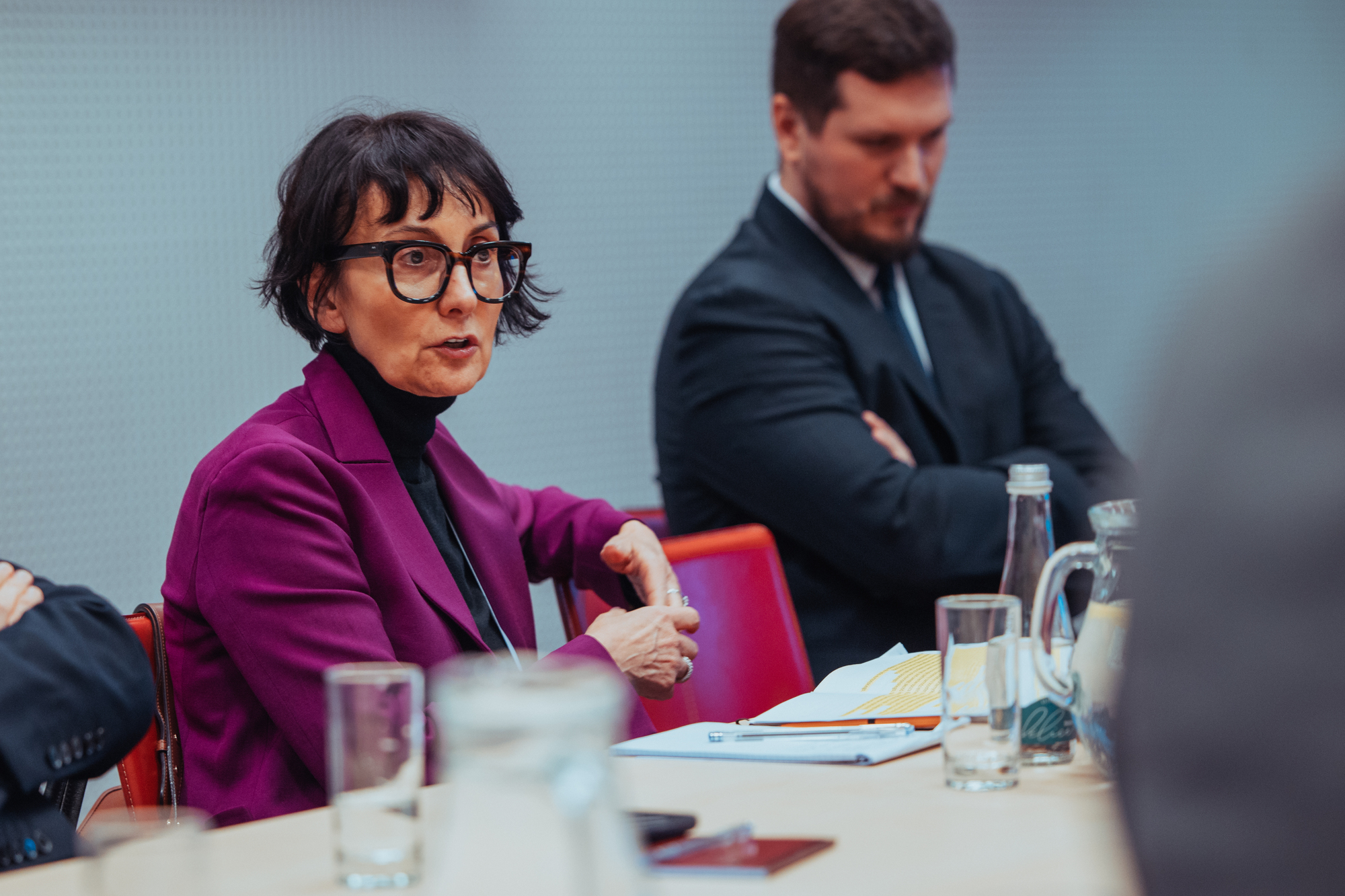
A key element of Business & Science Poland's presence at the congress was thematic workshops attended by over 100 representatives of Polish companies. Their aim was to develop current proposals for the future economic and financial policy of the European Union – both in terms of legislation and market practices – with particular emphasis on barriers to development and measures to strengthen the competitiveness of enterprises in Poland and the EU.
The workshops were divided into four thematic tracks:
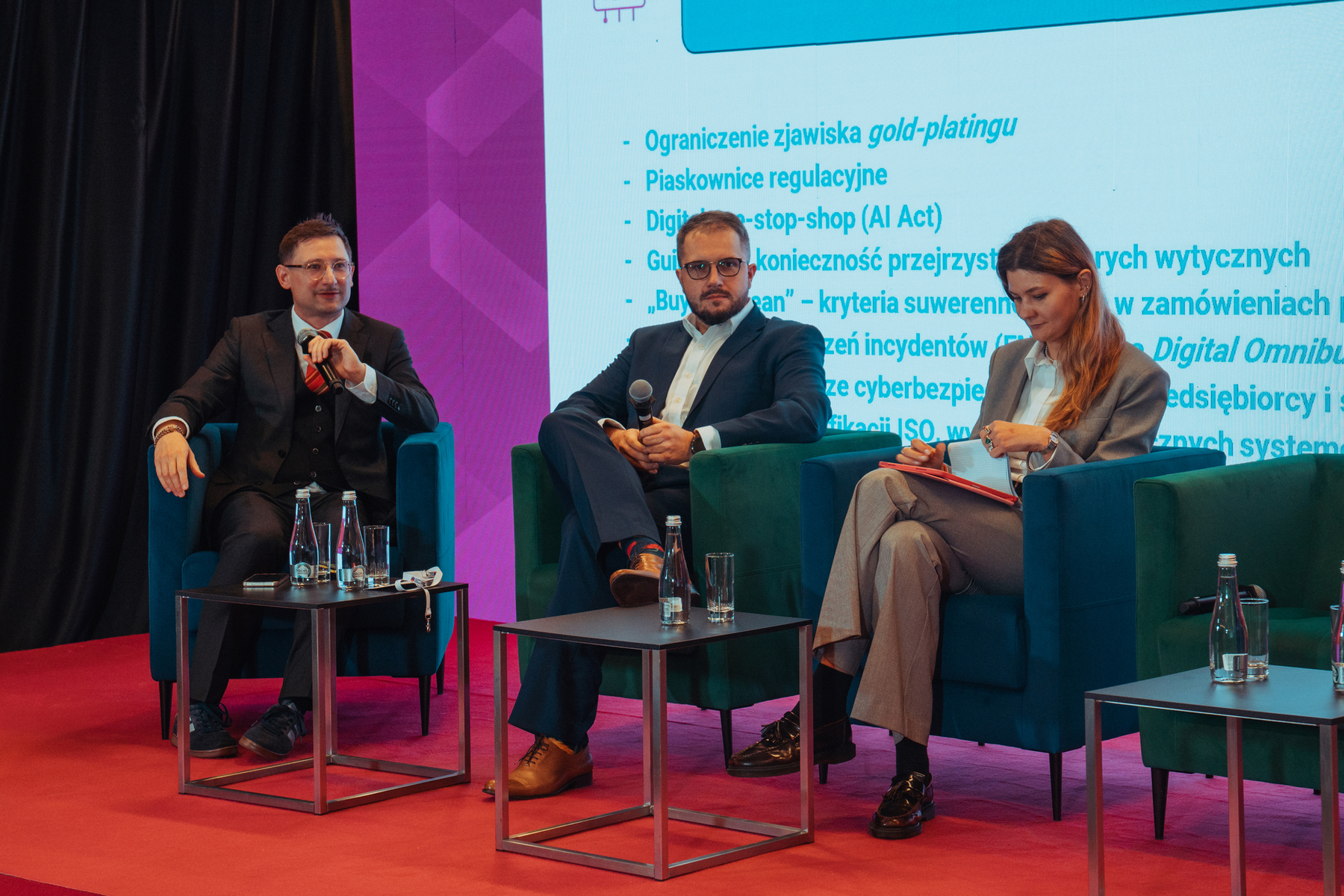
Workshop I: Digitisation and artificial intelligence – regulations as the foundation of competitiveness
Experts:
Kamil Hamelusz, Attorney, Asseco Poland S.A.
Marianna Sidoroff, Director of the Digital Economy Department, Ministry of Development and Technology
The proposals included limiting gold-plating, developing regulatory sandboxes, implementing a digital one-stop-shop model, and developing consistent and practical guidelines for the application of regulations. The importance of European technological sovereignty was emphasised, including the application of “Buy European” criteria in public procurement, the creation of a single point for reporting cybersecurity incidents, the development of education, and the recognition of key standards and certifications, such as ISO, for critical systems.
Workshop II: Competitiveness and decarbonization of Polish industry
Experts:
Kinga Świerad, Advocacy Specialist, BASF Polska
Paweł Wiejski, Senior Analyst, Instytut Reform
Participants pointed to rising energy costs, regulatory pressure, and intensifying global competition as the main barriers to development. The lack of a coherent, long-term industrial strategy in Poland was identified as a key problem.
The proposals included: using EU ETS funds for decarbonization, reducing energy costs, promoting technological neutrality, reviewing the “Net Zero 2050” targets, introducing a regulatory consistency control mechanism, taking into account differences between EU countries, early dialogue with businesses, and strengthening market protection through “Made in EU” and “Local Content” mechanisms. The need to link the phasing out of free emission allowances to the actual implementation of the CBAM system and the readiness of low-carbon technologies was also emphasised.
Workshop III: Clean Tech and value chains – transformation in practice
Experts:
Aleksander Rajch, Member of the Board, Polish Association for New Mobility
Karolina Kuś, EU and Public Affairs Advisor, KGHM Polska Miedź S.A.
The proposals were divided into four areas:
Technology transfer – strengthening technological resilience, reducing the know-how deficit, attracting high-quality investments.
Raw materials – making fuller use of domestic resources and speeding up permitting procedures.
Planning – regulatory stability, predictability, and sustainable and consistent investment support rules.
Demand – development of leading markets through large projects and green public procurement.
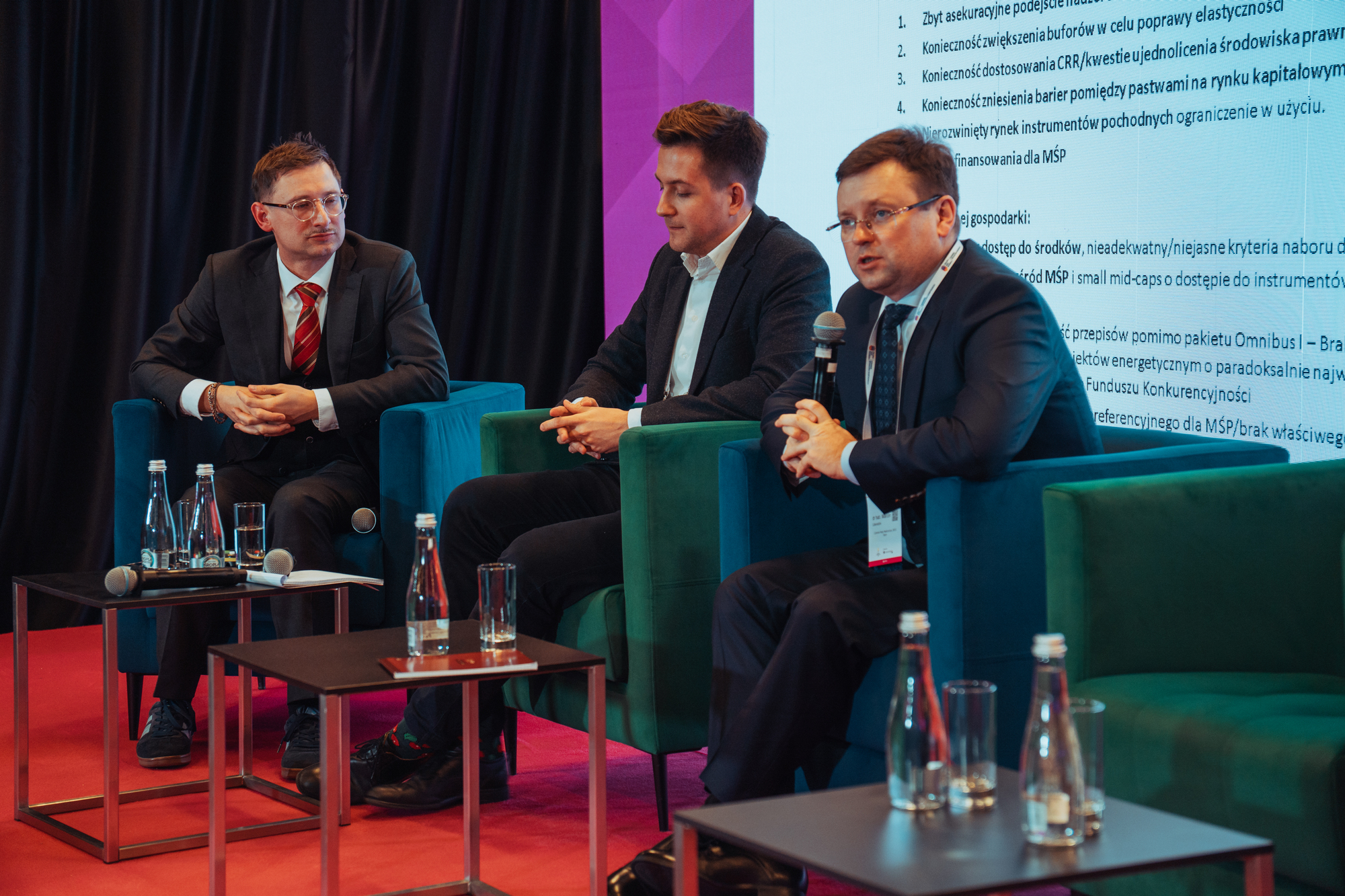
Workshop IV: Financing the transition – between the banking sector and the real economy
Experts:
Dr Marcin Liberadzki, Professor at the Warsaw School of Economics, Member of the Supervisory Board of BOŚ Bank, Advisor to the Minister of Funds and Regional Policy
Prof. Konrad Trzonkowski, Development Investment Office, Central Transport Hub (Centralny Port Komunikacyjny)
Marek Ulman, Coordinator for the National Contact Point for EU Financial Instruments, Polish Bank Association
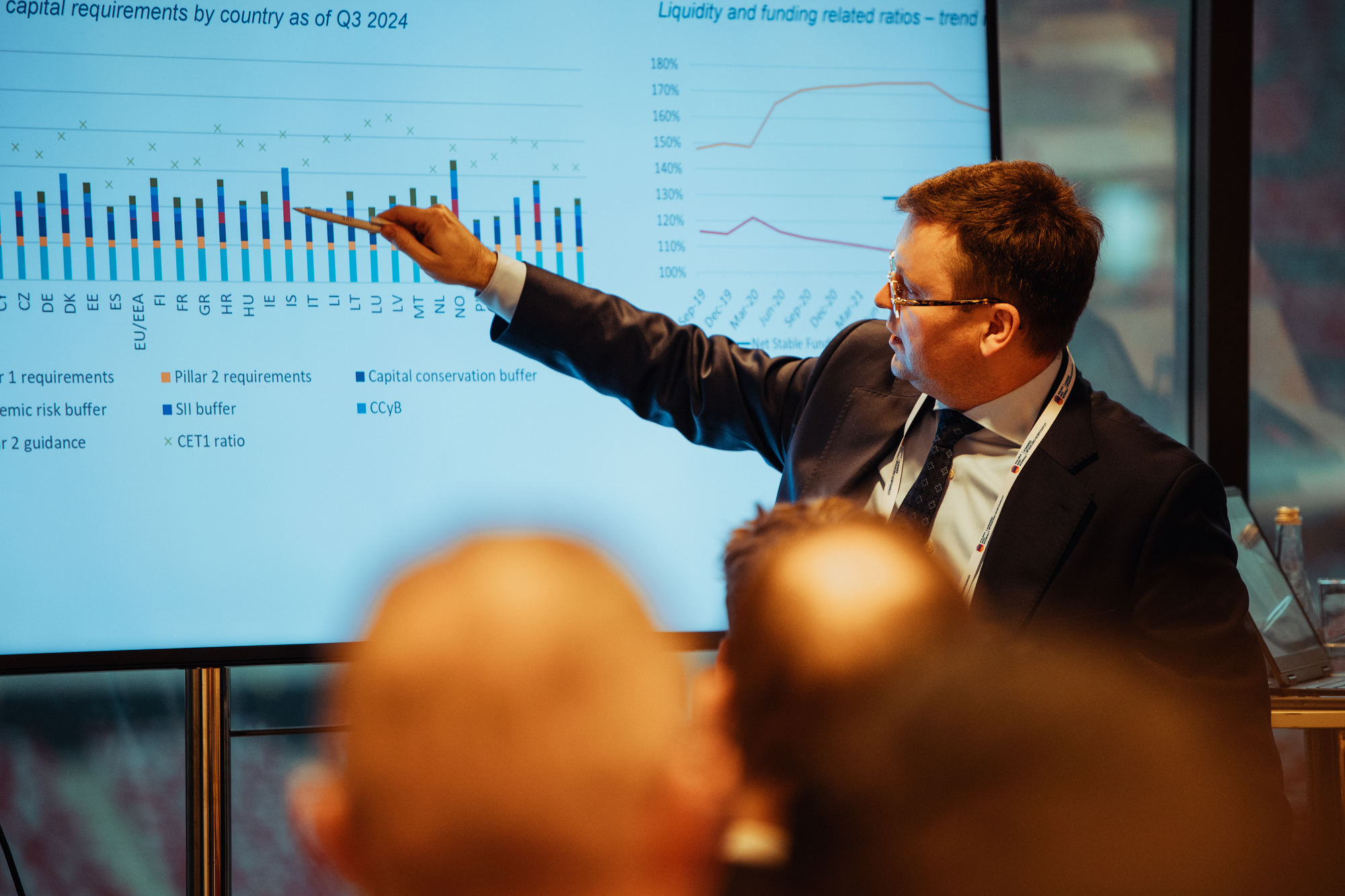
Banking participants (Subgroup A) called for a clearer, more predictable supervisory and regulatory approach (including possible CRR adjustments), stronger capital buffers to increase flexibility, and further progress on the Capital Markets Union by removing cross-border barriers. They also flagged the underdevelopment of derivatives markets and rising SME financing costs—concerns echoed by Subgroup B.
From the real economy perspective, participants stressed limited access to funding and unclear selection criteria for transformational projects, low awareness among SMEs and small mid-caps of financial instruments (with a stronger advisory role for banks), and ESG-related regulatory uncertainty that hampers financing and may exclude high-decarbonisation projects. They also noted the need for well-designed preferential financing mechanisms to support SME participation in the transition.
Further actions by Business & Science Poland
The developed proposals will be refined and forwarded to Polish government institutions and representatives of the European Commission. Business & Science Poland will also use them in its daily activities to improve regulatory conditions and strengthen the competitiveness of Polish industry in the European Union.
PHOTO RECAP ON FLICKR
.jpg)
.jpg)

.jpg)