
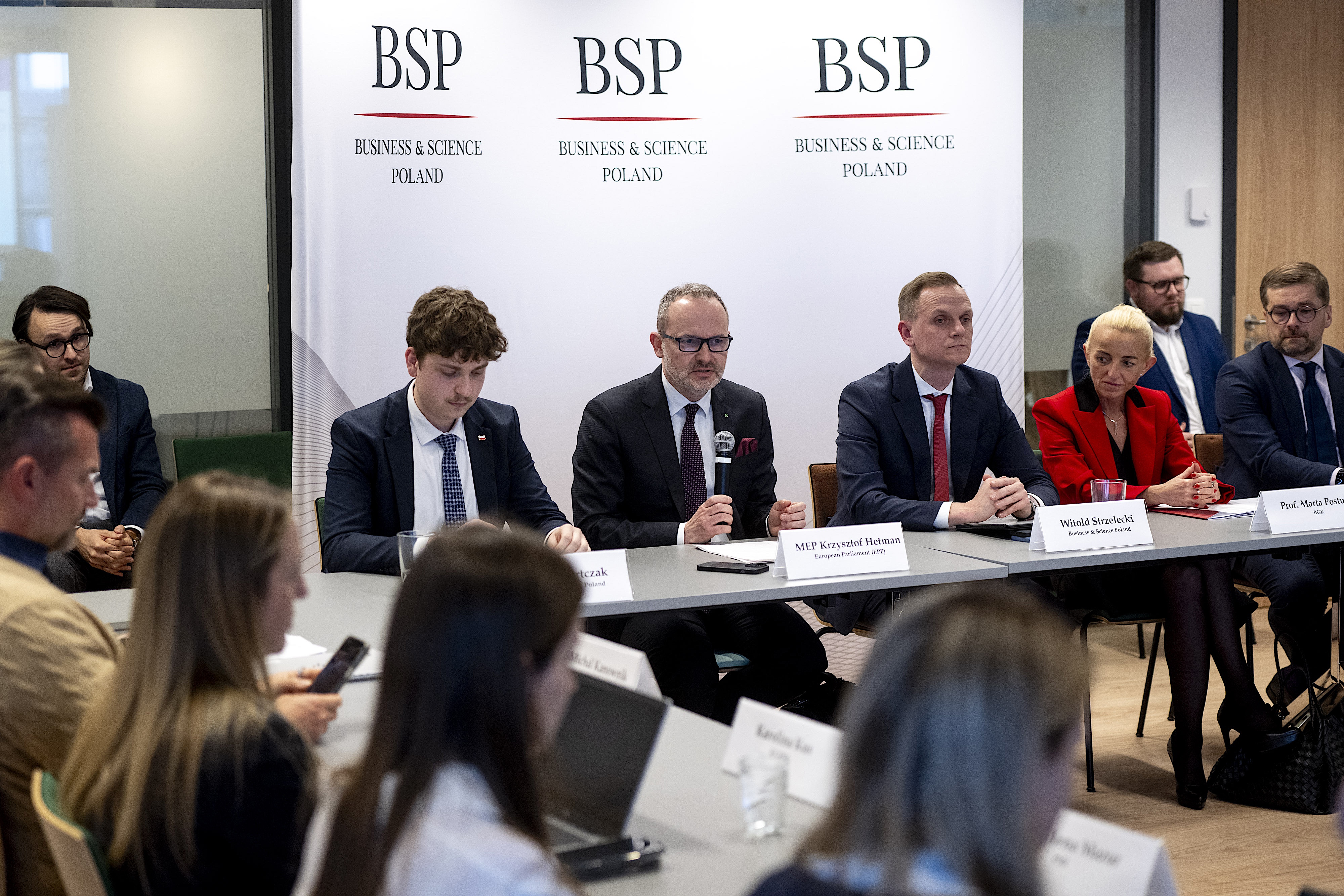
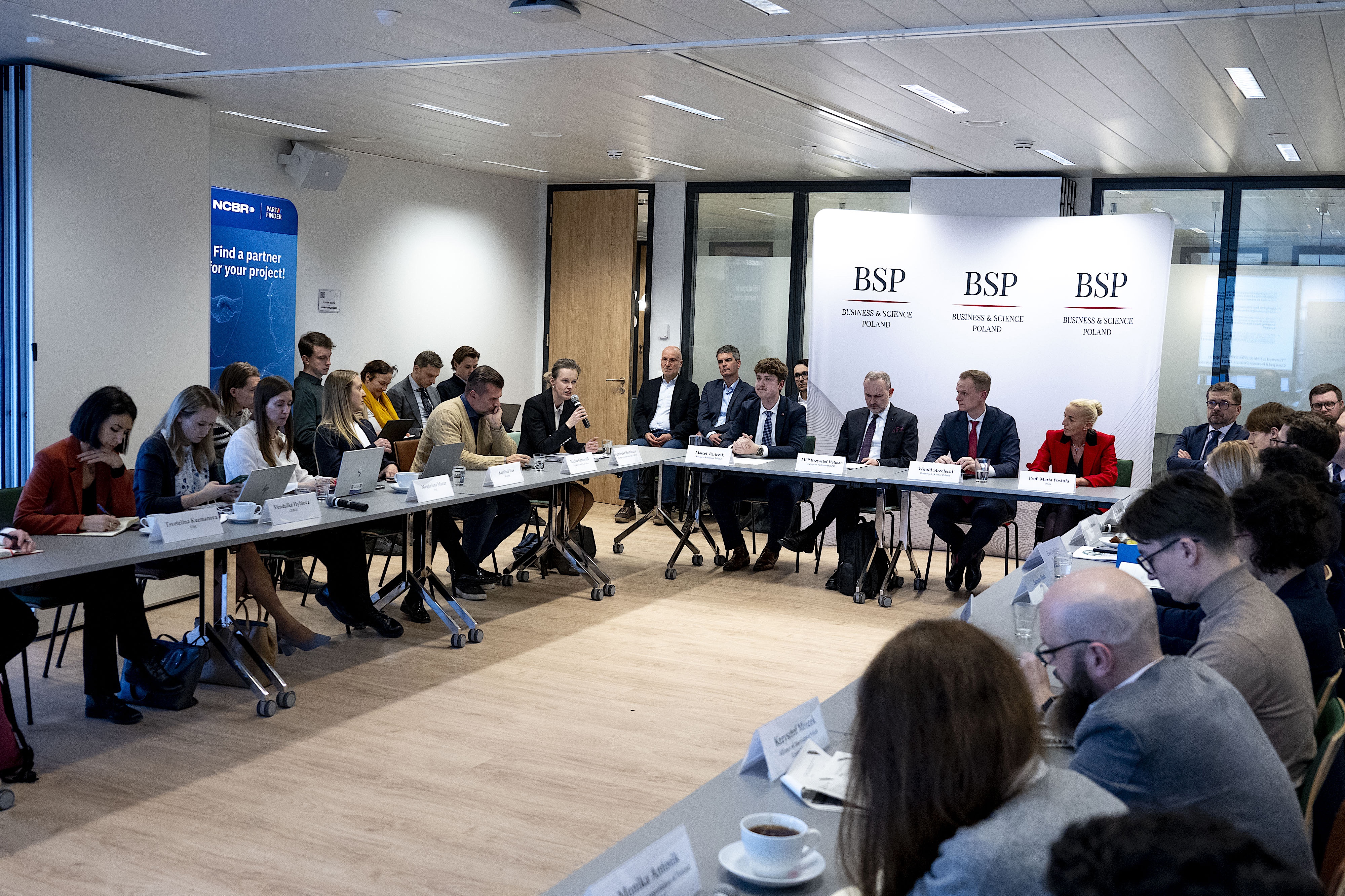
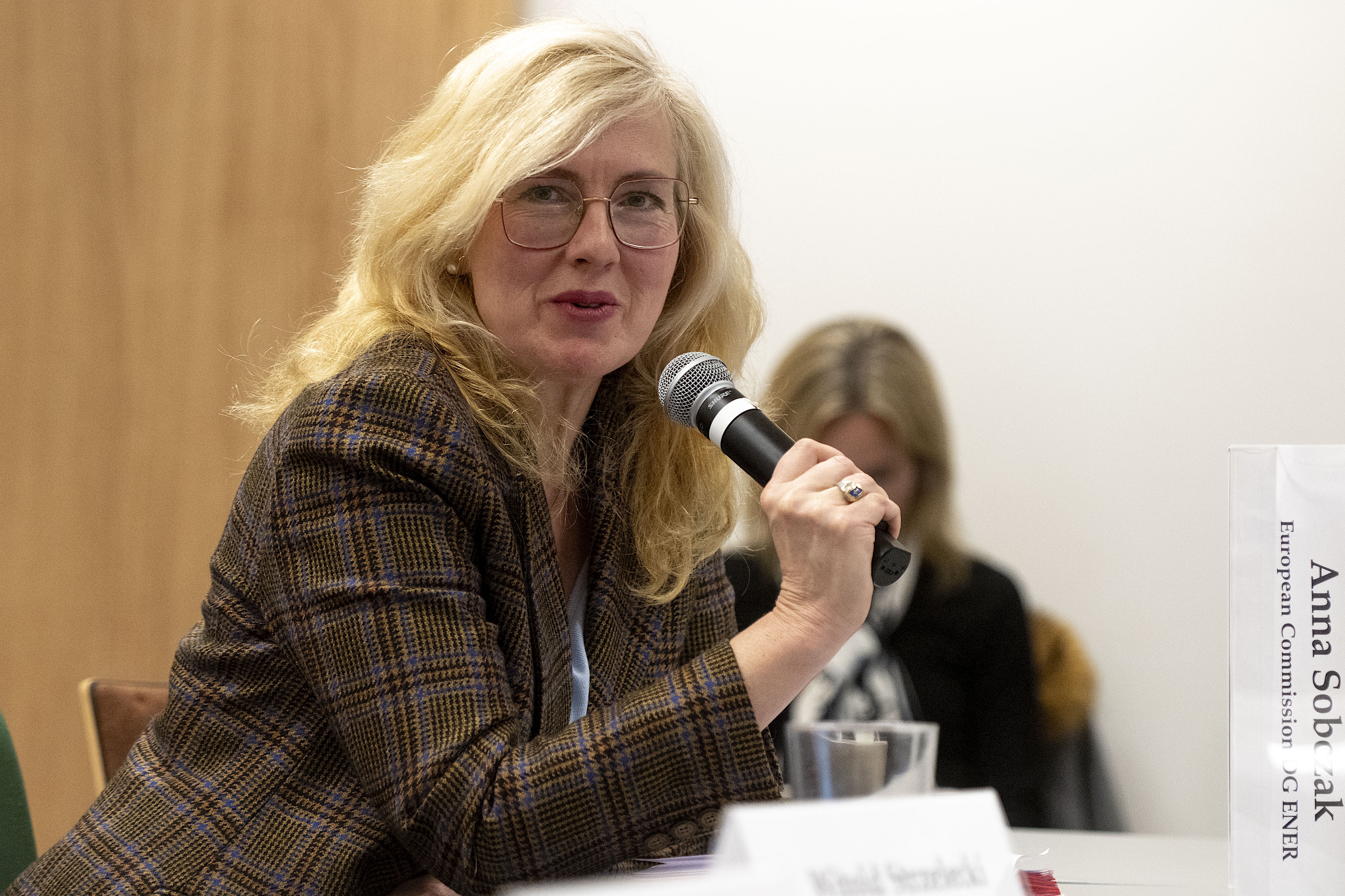
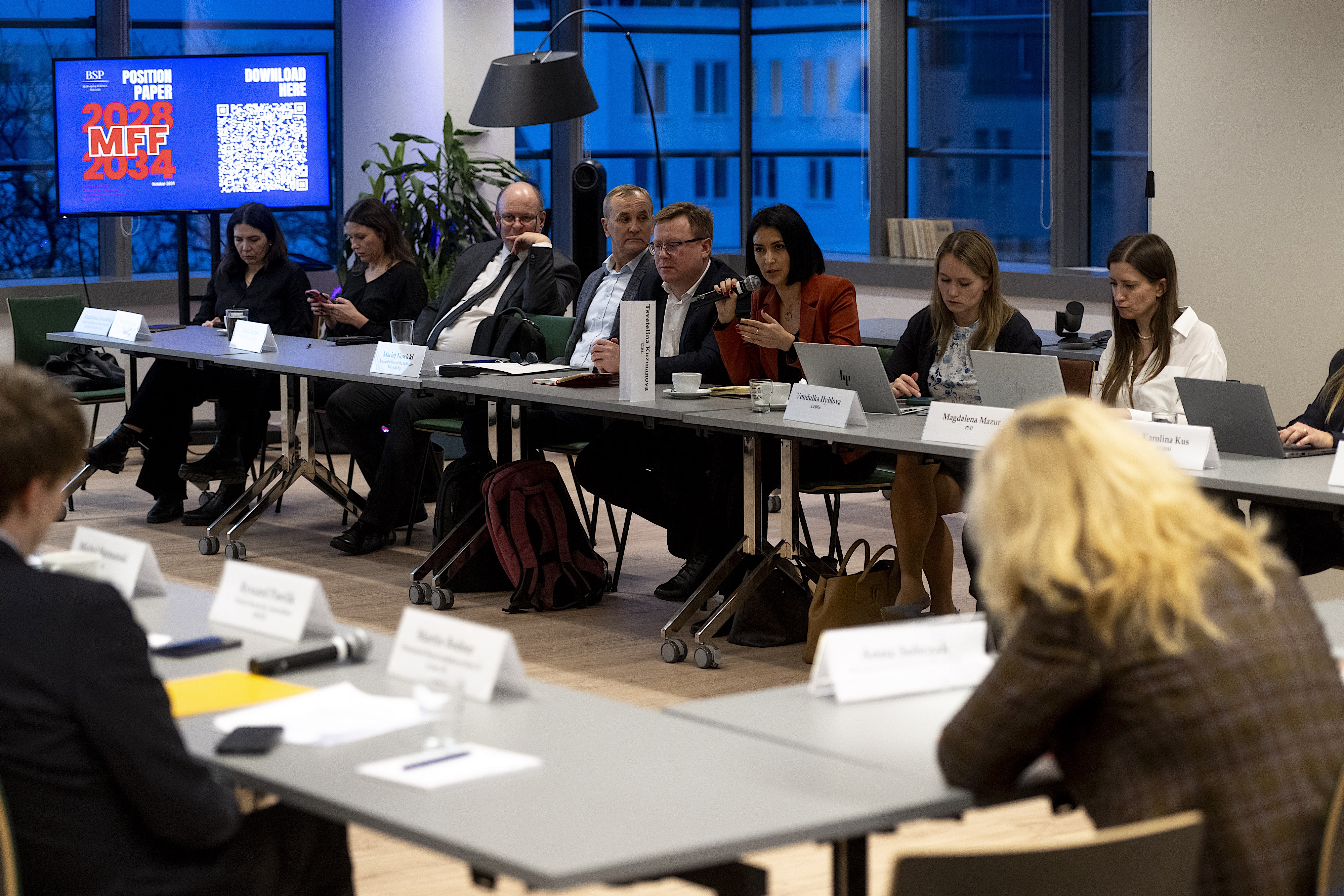
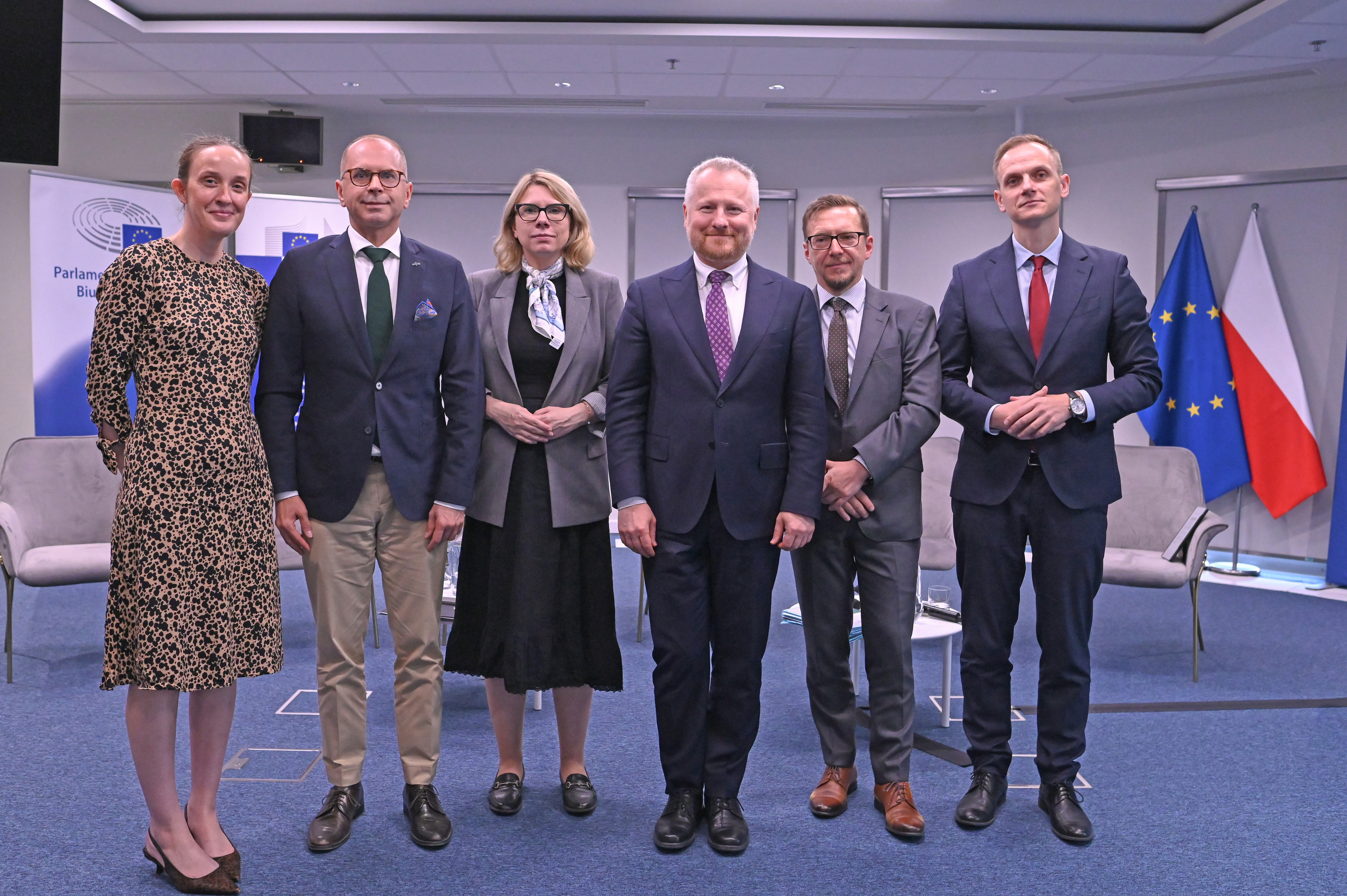
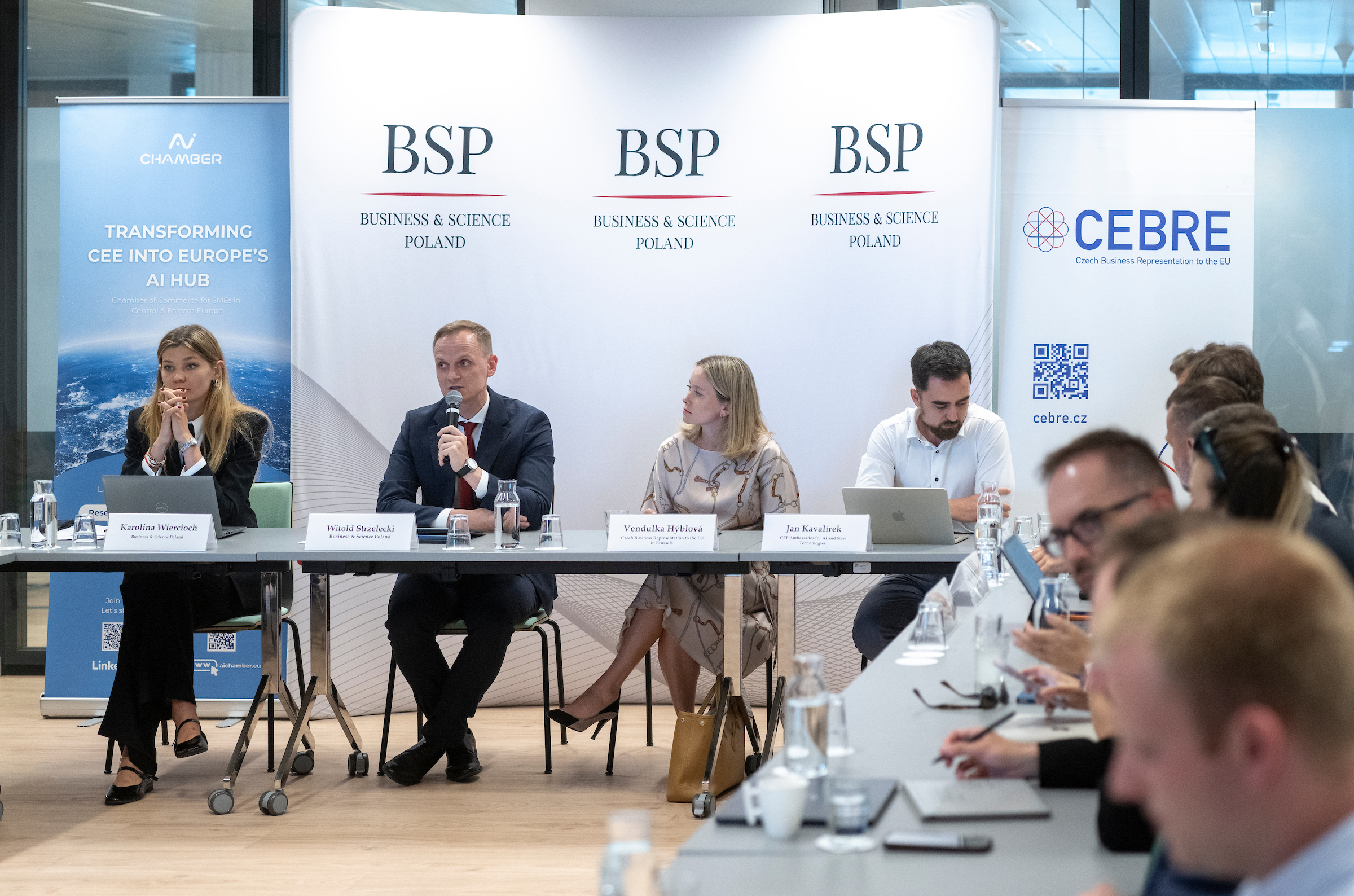
Business & Science Poland together with MEP Krysztof Hetman (EPP, Poland) organised an important roundtable on the European Competitiveness Fund, entitled “Toward a Fair & Effective European Competitiveness Fund: CEE Perspective”.
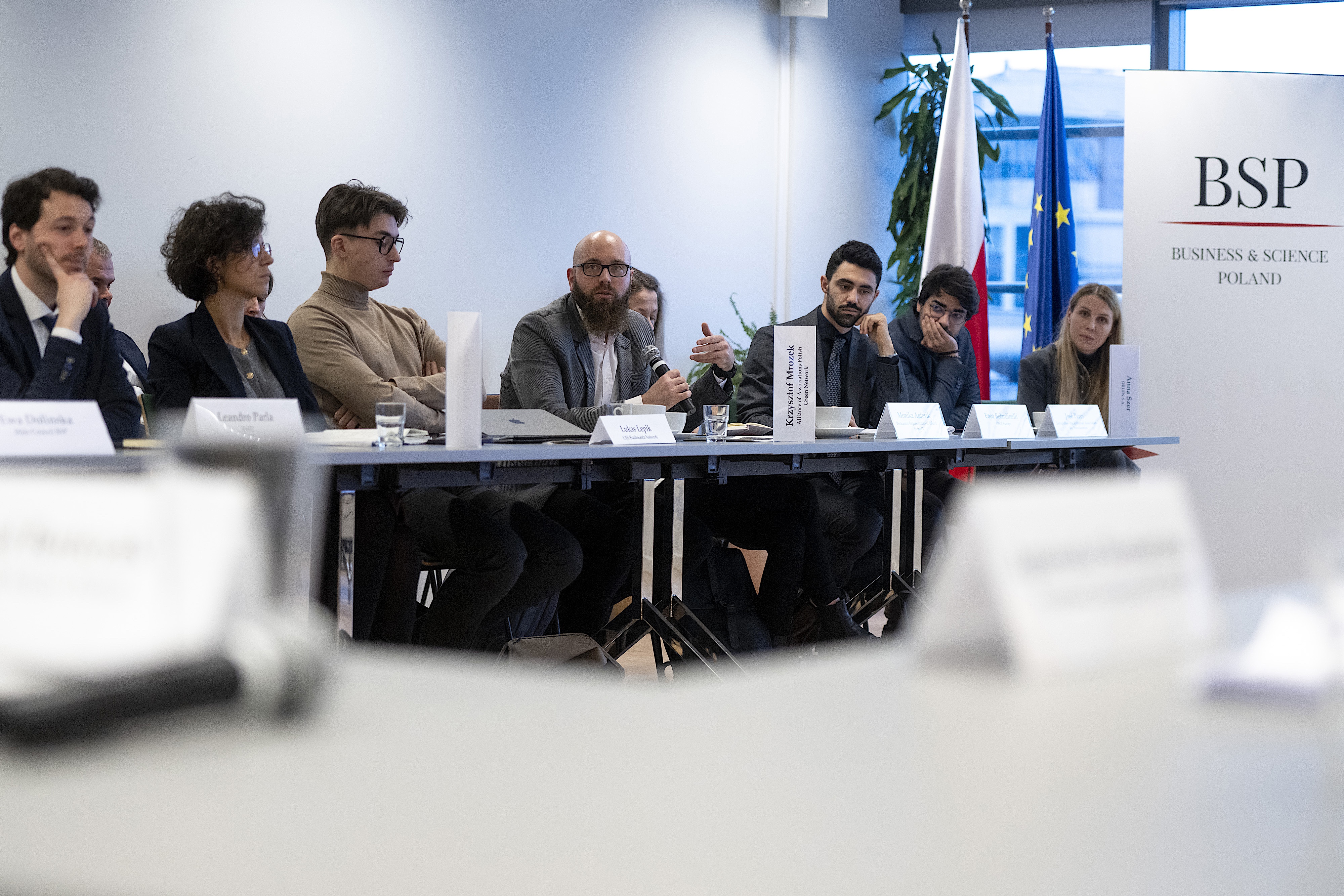
During the discussion, participants addressed the potential of ECF for strengthening industrial, economic and research capacity of the region of Central and Eastern Europe. Among the participants were members of European institutions, permanent representations and business associations of CEE region countries, as well as representatives of think tanks and sectoral organizations.
The thematic introduction was carried out by:
☑️ MEP Mr. Krzysztof Hetman (European People's Party),
☑️ Witold Strzelecki, Managing Director at BSP,
☑️ prof. Marta Postuła, First Vice-President of Bank Gospodarstwa Krajowego.
Followed by the first discussion interventions by:
☑️Agnieszka Skonieczna, Head of the Public Investment Unit (GROW.C.2), European Commission, who had laid out the logic behind creating the tool for supporting EU-level competitiveness that is the European Competitiveness Fund, stressing the practicality of a singular fund with its functionality of merging various financing instruments
☑️Martin Bednar, Head of Competitiveness and TTE Unit, Permanent Representation of the Czech Republic to the EU, who had opined on the proposal of the ECF from the perspective of its perceived efficacy for industry and business in the Czech Republic and the wider CEE region.
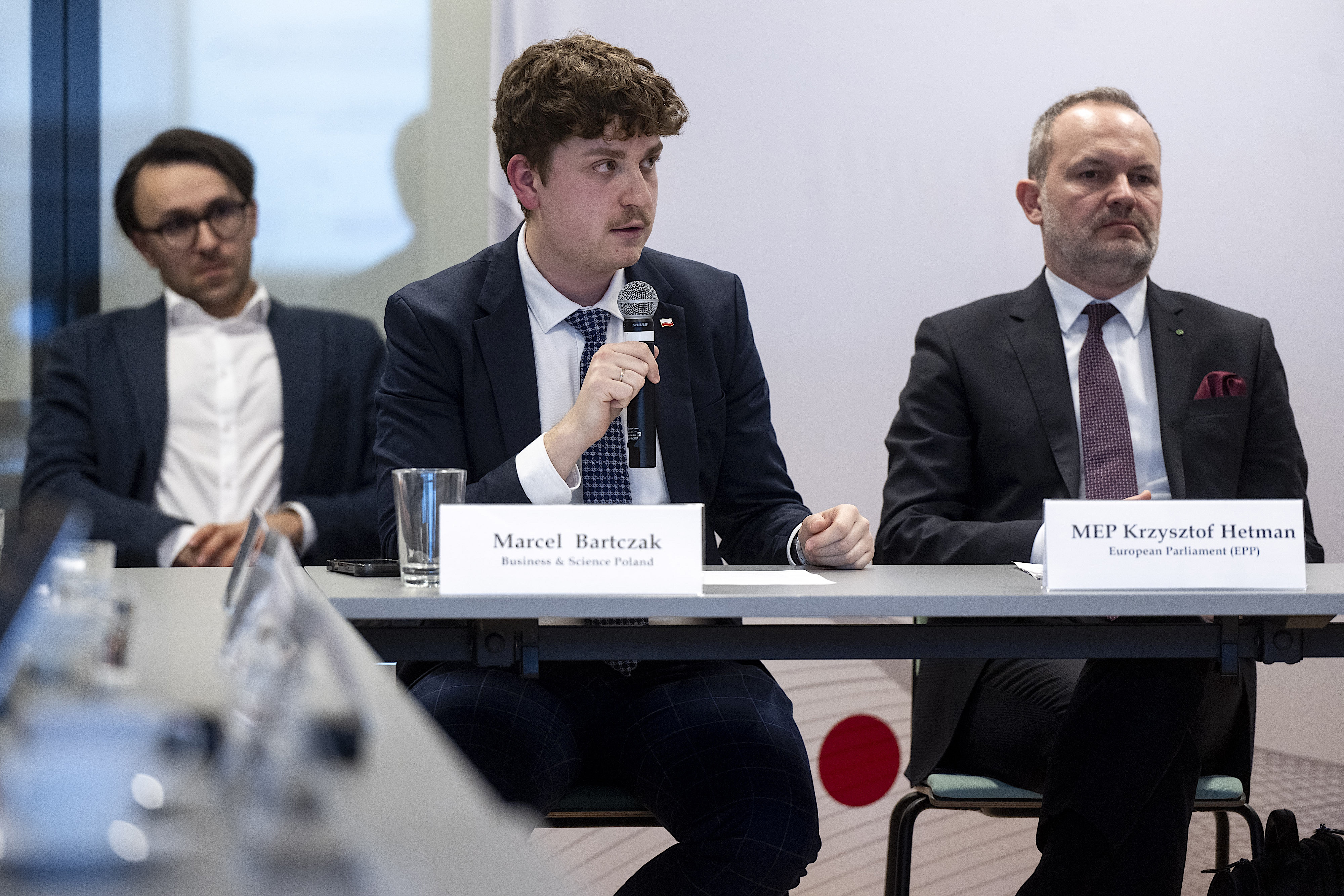
The roundtable was moderated by Marcel Bartczak, BSP Policy Advisor.
The ensuing discussion centered around ensuring sufficient ECF funding will be available to industrial projects and SMEs acting in various fields across the CEE region, utilizing criteria which will safeguard technological neutrality and geographical balance, so as to ensure no exacerbation of developmental gaps between the west and east of the Union.
A concern that was voiced by representatives was that the ECF, though a strategically necessary EU industrial policy, could naturally favor the position of entities from Western EU in funds’ allocation, owing to the fact of their institutional experience and knowledge of utilization of EU funding mechanisms.
There was broad agreement that public funding cannot replace private capital and that Europe’s core challenge lies in de-risking investments and enabling scale-ups, particularly given that a significant share of emissions reductions depends on technologies still at prototype or demonstration stage.
Speakers stressed the need for technological neutrality, clearer and fewer priorities, and a coherent end-to-end pathway from research to deployment, ideally through a single access gateway rather than fragmented contact points.

.jpg)
